Congressman Josh Riley introduced bipartisan legislation Monday that would require large data centers to pay for electric grid upgrades tied to their demand instead of shifting those costs to households and small businesses.
The FAIR Data Act would target data centers using at least 75 megawatts and direct state utility regulators to establish consumer protections while retaining their authority over rates.
Riley's office said utilities can currently pass the cost of generation, transmission and distribution upgrades to ordinary ratepayers even when the work is needed to serve large corporate customers. The release cited more than $29 billion in electricity rate increases requested by utilities nationwide during the first half of 2025, nearly twice the amount sought a year earlier.
"Upstate New Yorkers are already paying through the nose for electricity, and we shouldn't have to pay a penny more so Big Tech can rake in record profits," Riley said. "If out-of-state tech companies want to build data centers here, they can pay their own way, not stick Upstate families with the bill."
How the proposal would work
The bill would require investor-owned utilities to recover the cost of serving very large data centers from those facilities. Residential customers and small businesses could not be charged for grid improvements built to accommodate the projects.
The measure would use the existing Public Utility Regulatory Policies Act framework to require state regulators to review and implement the new standard. Riley's office said the approach would preserve state authority over utility rates while preventing costs from being shifted to smaller customers.
The bill would also require annual reports from data centers that claim their projects will lower local electricity bills. Those reports would track whether the promised savings occurred.
Certain Department of Energy administrative assistance would be conditioned on states certifying that data center costs are not being shifted to residential and small-business customers. The Federal Energy Regulatory Commission would also be required to report annually to Congress on the effects of large data center demand on rates and grid reliability.
Lansing and Oneonta projects cited
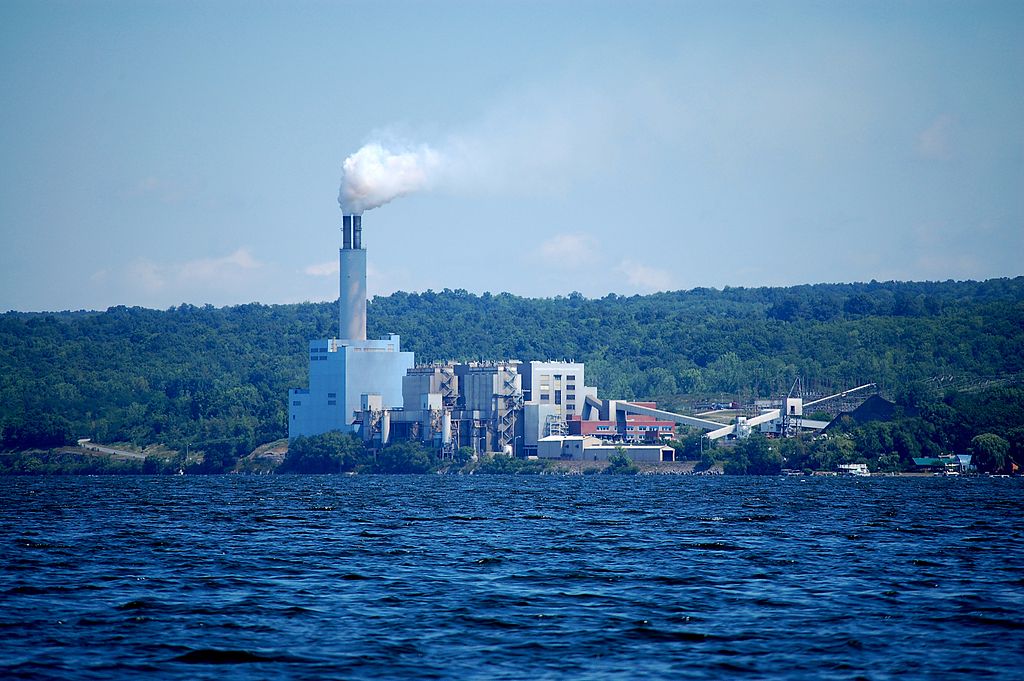
Riley's office pointed to two proposed data center developments in New York's 19th Congressional District. Maryland-based TeraWulf is seeking to build a 300- to 400-megawatt artificial intelligence data center at the former Cayuga Power Plant in Lansing.
Eco-Yotta has pursued a rezoning for an artificial intelligence data center on County Road Nine in Oneonta. Both proposals have faced local opposition, according to the release.
Riley cites broader utility-cost effort
The legislation follows several other utility-related measures Riley introduced in 2025 and 2026. Those proposals addressed home weatherization, foreign ownership of American utilities, executive bonuses during above-inflation rate increases, tax deductions for utility-bill taxes and state surcharges, and utility overcharges.
Riley's office also said he participated as an intervener in Central Hudson and New York State Electric and Gas rate cases during 2025 and 2026, including questioning utility companies on behalf of ratepayers.

FingerLakes1.com is the region’s leading all-digital news publication. The company was founded in 1998 and has been keeping residents informed for more than two decades. Have a lead? Send it to news@fingerlakes1.com.