A Republican candidate for governor is taking aim at a key element of New York’s proposed state budget, arguing it would increase health care costs for some retirees.
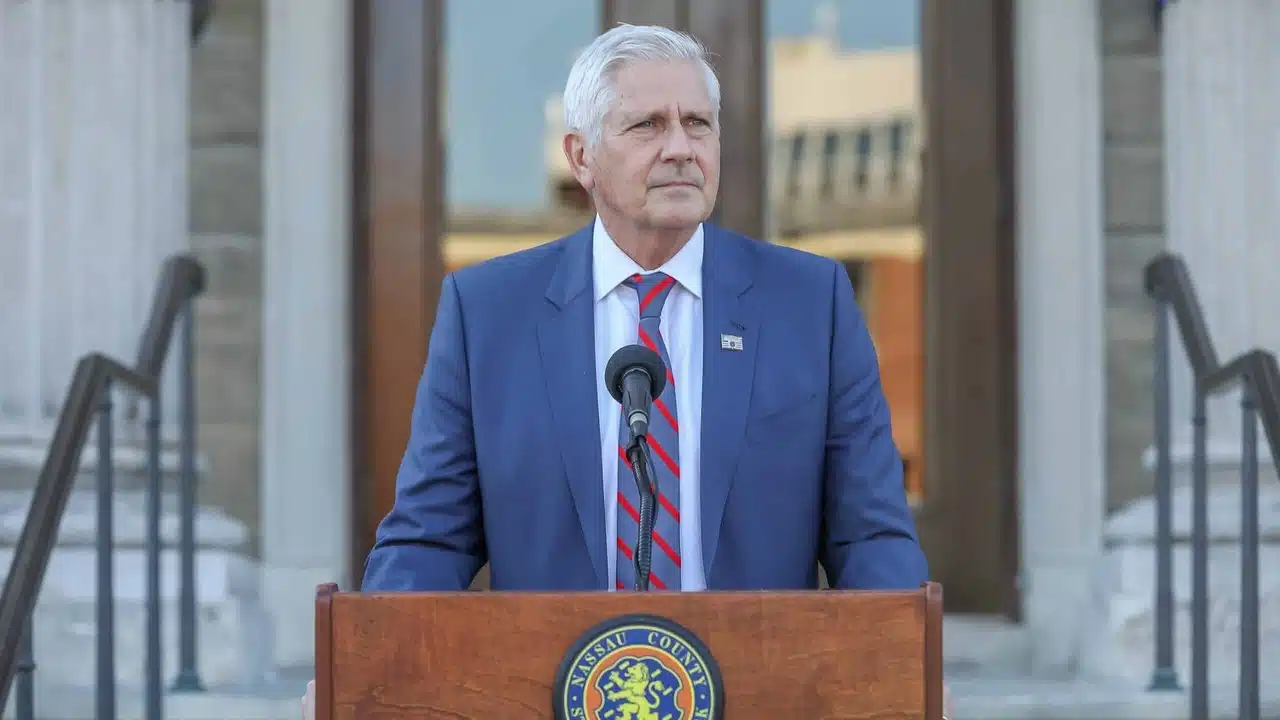
Nassau County Executive Bruce Blakeman on Friday criticized Gov. Kathy Hochul’s preliminary fiscal year 2027 budget proposal, focusing on a provision tied to the state’s retiree health insurance program and Medicare Part B premiums.
At issue is the New York State Health Insurance Program’s current practice of reimbursing certain retirees for Income-Related Monthly Adjustment Amounts, or IRMAA, which are additional charges applied to higher-income Medicare beneficiaries. Blakeman said the proposal would eliminate that reimbursement, resulting in higher out-of-pocket costs for affected seniors.
In a statement, Blakeman claimed the change could increase monthly premiums for some retirees by between $81 and $487, depending on income level. He framed the proposal as part of a broader affordability issue, arguing that rising costs for taxes, utilities, and health care are placing added strain on older residents.
The proposal is part of Hochul’s broader executive budget plan, which is subject to negotiation with the state Legislature in the coming months. Budget details, including potential changes to retiree benefits, are often revised during that process before a final spending plan is adopted.
Blakeman, who is running for governor, said the proposed change would make it more difficult for seniors to afford to remain in New York, while positioning himself as focused on reducing costs for residents.
State officials have not publicly responded to the specific criticism outlined in the statement, and details surrounding how any changes would be implemented — including which retirees would be affected — are expected to be clarified as budget negotiations continue.
The final state budget is typically due by April 1, though negotiations frequently extend beyond that deadline.

FingerLakes1.com is the region’s leading all-digital news publication. The company was founded in 1998 and has been keeping residents informed for more than two decades. Have a lead? Send it to news@fingerlakes1.com.