The Finger Lakes has architecture that’s been around for centuries. Not replicas or anything like that, actual buildings people used two hundred years ago. Walking through them is different than reading about history in books, you’re standing where people stood before cars existed or anything.
Calculating Building Ages and Construction Timelines
Figuring out how old is a building gets messy depending on what dates count. Some people measure from when construction started, others use completion dates. For buildings built over years, this affects the final number a lot. Using an age calculator helps work out how many years since a structure opened versus when the last part got finished.
Huntington Building shows this problem. Original section is from 1871 but additions went until 1950. Is it 154 years old or 75 years old? Most historians use the original date but those later parts represent different time periods that matter too. Calculating age for historic structures isn’t simple math, it’s about deciding which dates tell the right story.
Construction timelines complicate things further. A building might take five years to build. Do you count from groundbreaking or opening day? Different sources give different dates sometimes which makes research frustrating. The Sherwood Inn opened in 1807 but construction probably started in 1806, though nobody really documents that precisely back then.
Oldest Buildings in the Finger Lakes Region NY
Here are some of the oldest buildings you can see in the Finger Lakes:
Sherwood Inn Built in 1807
Skaneateles has this inn from 1807. Isaac Sherwood built a tavern there for his stagecoach business, back when getting anywhere meant dealing with horses and roads that were probably terrible. The three-story building gave travelers places to sleep and eat when they were heading west through New York.
Different people owned it over time. Became Lamb’s Hotel in 1840, then some guy named Packwood bought it after the Civil War and added more floors and wings. During the flu epidemic in 1918 they turned it into a hospital because they needed space. Now it’s still an inn with 25 rooms, kept the old wood floors that are pegged instead of nailed which is how they did it back then.
The building’s been standing there on Skaneateles Lake for over two centuries. That’s a long time for wood and stone to hold up, especially considering all the weather and use it’s seen.
Auburn Correctional Facility Opened in 1817
Auburn’s prison got its first inmates in 1817, which makes it one of the oldest prisons still operating in the country. They did the first electric chair execution there too, not really a proud moment but it’s part of the history. The buildings got expanded over the years but original structures are still part of it.
The prison system they developed in Auburn became a model for other places. What started local ended up getting copied by other states. Walking past those stone walls now, there’s just this weight knowing how many people’s lives happened behind them for over 200 years. Recent work brought in $50 million for upgrades while keeping the old parts intact.
It’s still functioning as a prison today, which is kind of wild when you think about it. Most buildings from 1817 are museums or got torn down decades ago.

Hyde Hall Covered Bridge from 1825
There’s this covered bridge in Cooperstown that hit 200 years old in 2025. It’s the oldest covered bridge still standing in America, 53 feet of wooden construction. Used to be the entrance to Hyde Hall estate back when that mattered. Theodore Roosevelt went across it, Franklin and Eleanor Roosevelt too, along with the guy who invented the telegraph and the woman who started Girl Scouts.
America built 14,000 covered bridges at one point, only around 650 are left. Hyde Hall’s bridge made it to 200 first. The engineering had to be good for it to last that long honestly. It sits in Glimmerglass State Park now where hikers use it instead of carriages. You can see the wooden beams and how they built things when everything was done by hand without power tools or machinery.
National Women’s Hall of Fame Building Dates to 1844
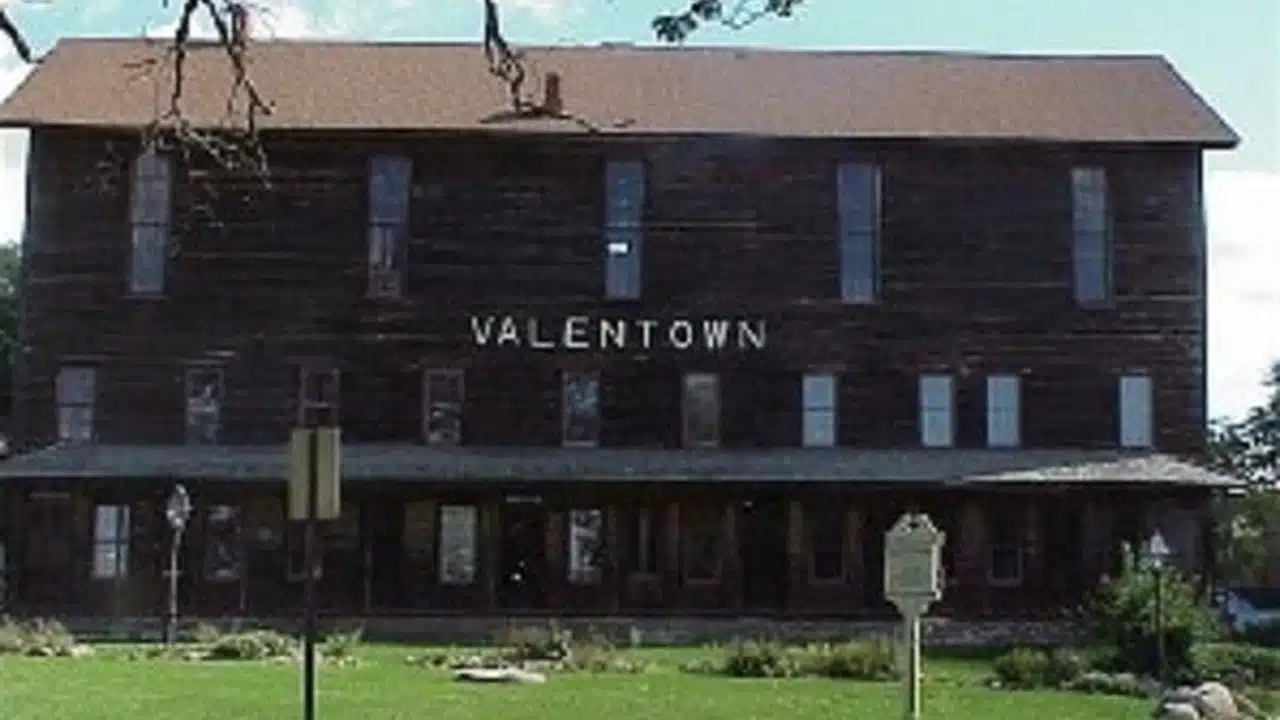
Seneca Falls has this old mill building from 1844. Started as the Knitting Mill making textiles for years before it sat empty eventually. They turned it into the National Women’s Hall of Fame in the 2000s, made it into museum space that’s 16,000 square feet. The renovation kept the industrial look while making it work for exhibitions.
Seneca Falls was important for women’s rights. First Women’s Rights Convention happened there in 1848, just four years after the mill started operating which is interesting timing. Using an old factory building for the Hall of Fame connects manufacturing history with social movement history, makes sense for that location specifically.
Huntington Building Started in the 1870s
This manufacturing plant in Seneca Falls housed National Yeast Company beginning in 1871. They kept adding onto it between 1871 and 1950, each section looks different because construction styles changed over those decades. By the 2010s the building was falling apart, almost got knocked down for a gas station.
People fought to save it though. Got converted into 53 apartments with 27 units made for veterans. The renovation cost $24 million, they saved the original brick and industrial character but made the inside livable. Won a preservation award in 2025 which proved old factory buildings can work for modern housing needs.
The building shows how structures can adapt. Started making yeast, became apartments for people who need affordable housing. That’s a bigger change than most buildings go through.
Conclusion
Historic buildings connect people now to people from way back. The Sherwood Inn has spaces where travelers from 1807 actually stayed. Auburn Correctional Facility has rooms that held people before cameras existed to photograph anything. It’s not abstract history, these are real places that somehow didn’t get torn down or burned or fall apart.
Keeping them standing takes work and money. Several nearly got demolished. Huntington Building almost turned into parking for a gas station. Hyde Hall’s bridge needed maintenance constantly over 200 years. Communities have to decide history is worth investing in, otherwise these places disappear. The region has other old buildings worth seeing but these are some of the oldest with historical importance that people can still visit. Each tells stories about living and working when New York was still developing. The fact they’re still here and still used makes history feel closer than textbooks ever manage to do.

This content is brought to you by the FingerLakes1.com Team. Support our mission by visiting www.patreon.com/fl1 or learn how you send us your local content here.