It’s late in the evening on All Hallow’s Eve, 1865, and a group of vigilantes in central New York approach the Loomis Farm to rid the family of their evil mischief and thievery once and for all. This is not a Halloween trick or treat event; it is serious business. The group is led by Constable James Filkins, a thorn in the side of the Loomis Family for years. Three others are with Filkins. It’s a chilly and windy night, and the posse dresses in dark clothes. They have been to the Loomis Farm and Home so much they know exactly where each Loomis slept. They rap on the window and call out for ‘Wash’ Loomis, who at the time is the leader of the Loomis Gang. Wash is awakened by his female partner, who hears the knock on the window. Wash knew it was Filkins and his posse, but he was unsure of what they wanted. Filkins wants to talk to Wash and he follows his instructions. Just a few moments later, Wash’s female partner hears a large thump. What happens next will cast dark echoes throughout Madison and Oneida Counties for years to come.
The distinguished New England Loomis Family traces their lineage back to Joseph Loomis and his wife, Mary White. Joseph and Mary, along with their eight children, boarded the ship, Susan and Ellen, in London in the spring of 1638. They arrived in Boston that summer and eventually moved on to Windsor, Connecticut, where they would establish a long line of descendants throughout the Northeast. Many of those descendants would go on to fight during the American Revolution.
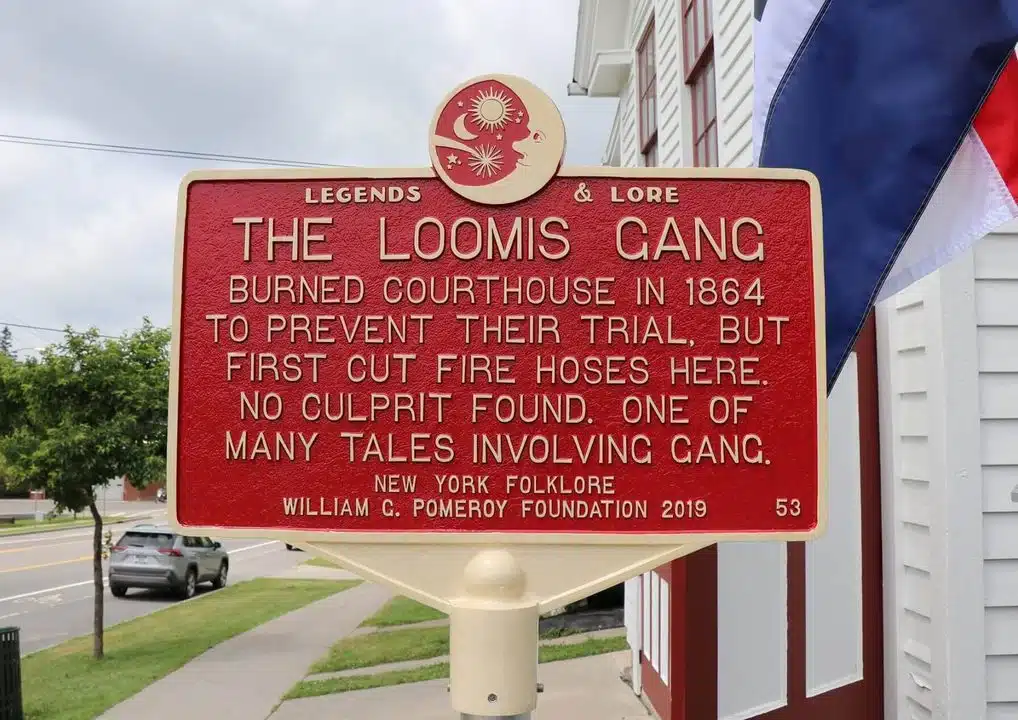
George Washington Loomis, Sr. was the seventh child of Lieutenant Daniel and Sarah Crawford Loomis and was born August 17, 1779, in Tolland County, Connecticut. George’s father, Lieutenant Daniel Loomis, was an officer in the Connecticut militia during the Revolutionary War and served under Captain Thomas Lawson from 1775 until 1778. George’s mother died when he was five, so he had to look to his older sisters for motherly warmth. At 18, his father died and George moved to Rutland County, Vermont to live with his sister, Charlotte. George had a keen eye for horses and learned how much a good horse was worth. Between the years of 1798 and 1802, George began stealing horses in the Rutland County community and rode them to Connecticut to be sold for big bucks and gold. The farmers of Rutland County noticed the reduced horse population and discovered George’s crooked business. In 1802, the sheriff and his posse of Rutland County drove him across the Vermont border into New York. Luckily, he knew of another sister in central New York and paid her a visit.
Clarissa Loomis married physician Stephen Preston and they were lured from Connecticut to central New York because of the inexpensive land. Stephen and Clarissa settled in the town of Sangerfield and were some of the original settlers. Sangerfield, named after Jedediah Sanger, is located in the southwestern corner of Oneida County and was officially established in March 1795. George showed up in 1802 with a vast amount of money and gold from the stolen horses he sold.
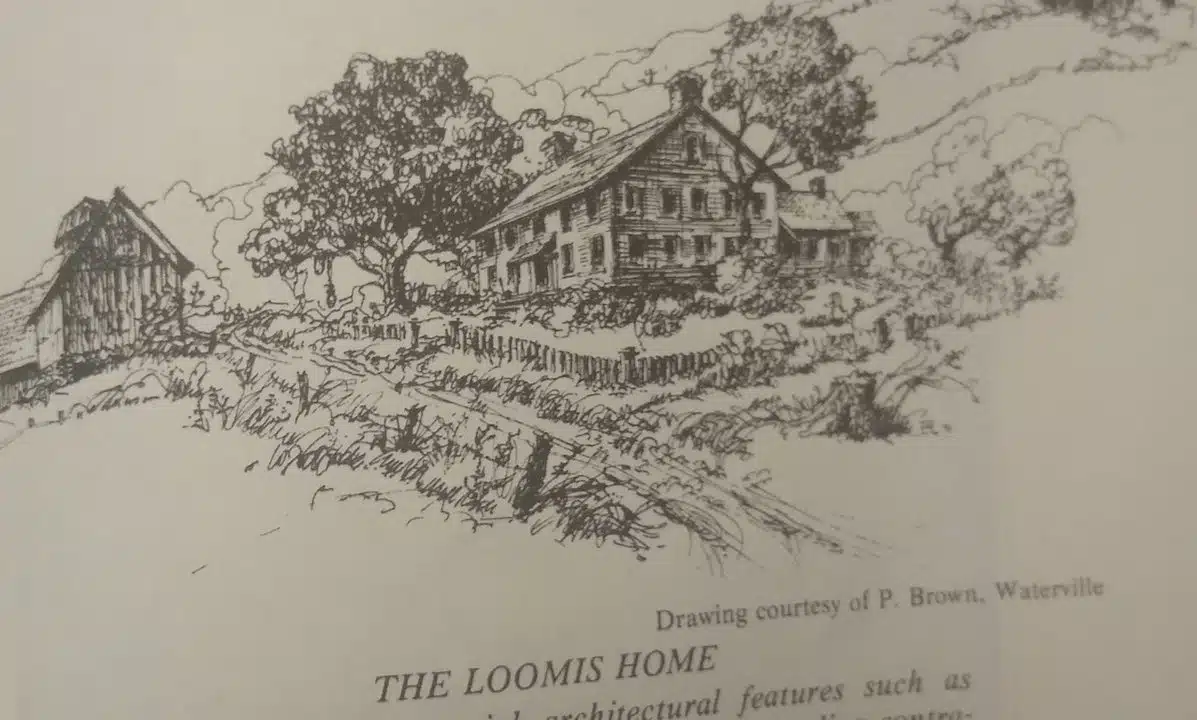
In the early 1800s, he purchased a large quantity of land a few miles southwest of Sangerfield near the Nine Mile Swamp, aptly named because it extended nine miles from Sangerfield in Oneida County to Hubbardsville in Madison County. Here, George started a farm and built a farmhouse and a home overlooking the swamp. George first met his future wife while helping the local sheriff serve a warrant for Zachariah Mallett’s arrest. Zachariah’s tendency for forgery frequently brought the law to his residence. On this occasion, George and Sheriff James Kip tried to enter the Mallett home and Zachariah’s daughter, Rhoda, blocked them from entering. After they forcefully pushed the door open, Rhoda hit the sheriff and George with a shovel several times. Despite her fierceness and their 13-year age difference, what drove George to Rhoda was her loyalty to her father.
George was a part of the Madison County militia during the War of 1812, and after his service, he came back to Sangerfield. While he was back, he began to visit the Mallett residence often and in 1814, he married Rhoda. Rhoda Marie Mallett was the daughter of Zachariah and Abigail Osborn Mallett and was born in July 1793. The family claimed Scandinavian heritage and their ancestors migrated to France ultimately to Connecticut. Like George’s sister, Clarissa and her husband Stephen, the Malletts were early settlers of Sangerfield.
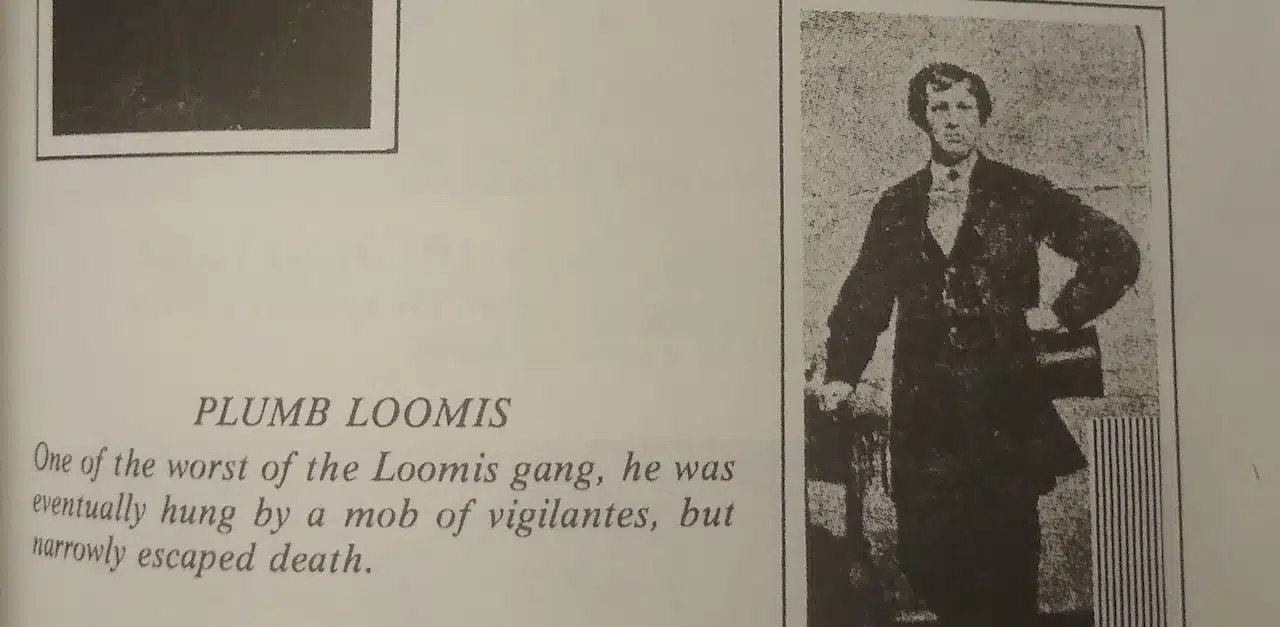
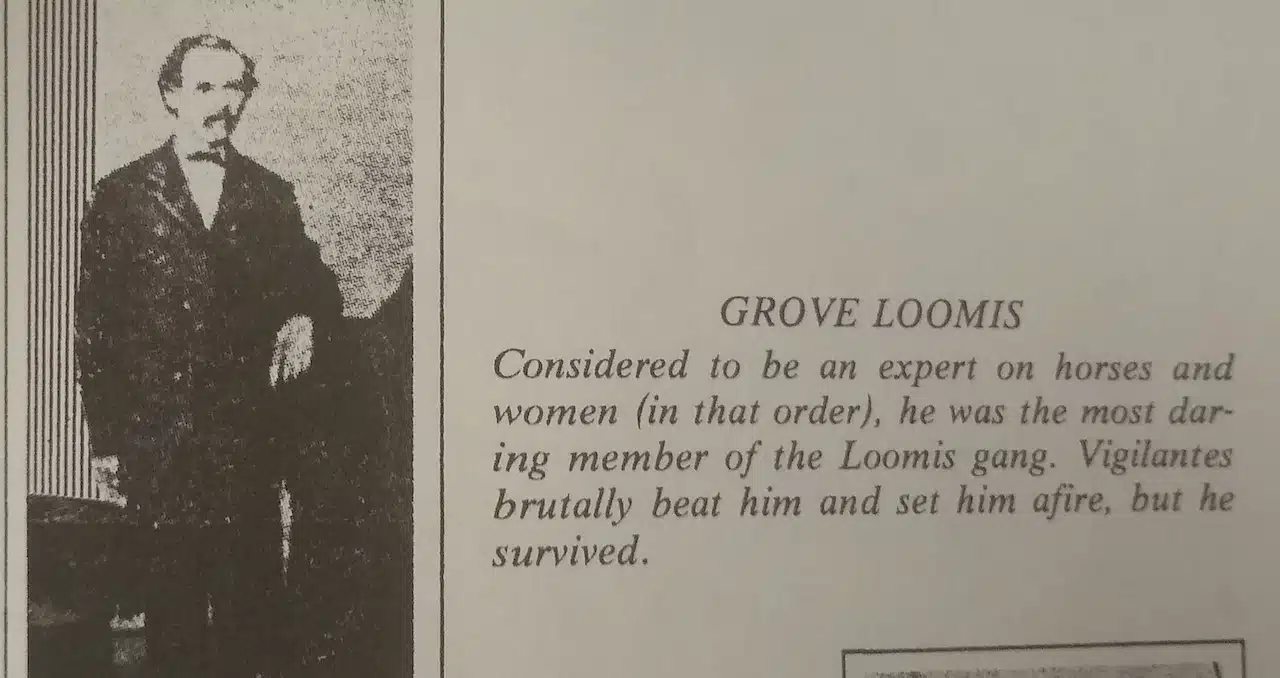
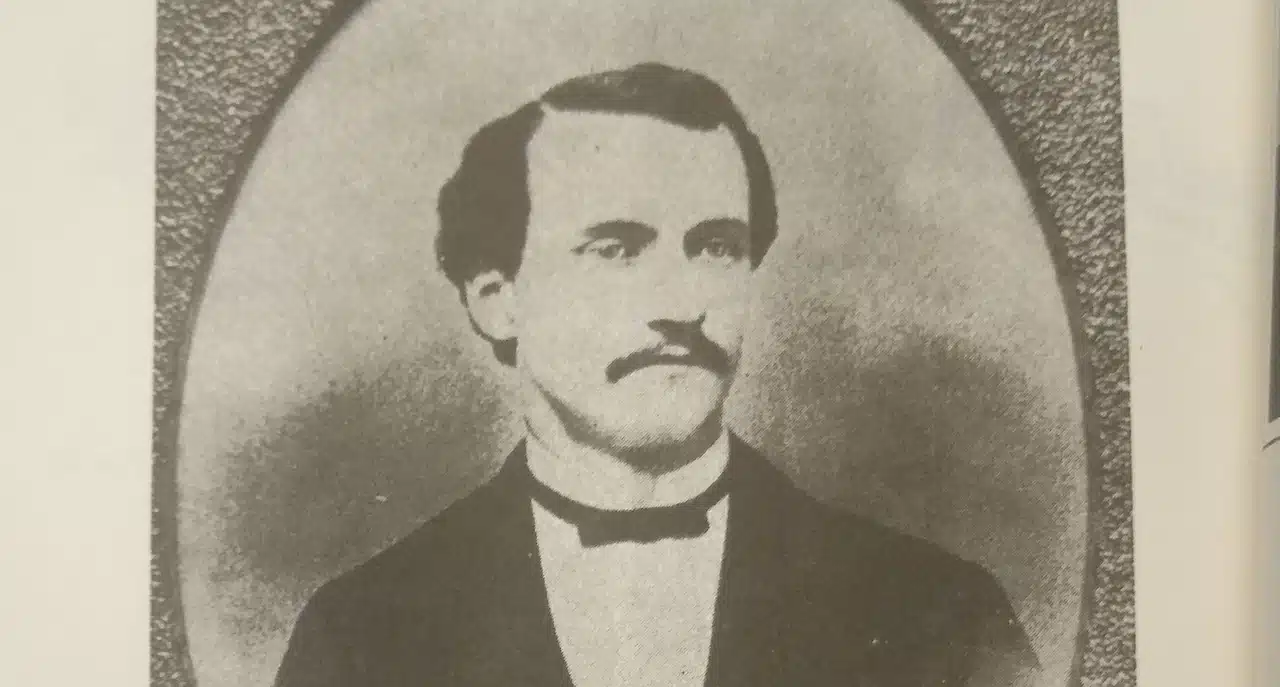
George and Rhoda went on to have a sizable family of 12 children. Sadly, their first and last daughters died in infancy. While growing up on the farm, many of the children rode horses and the boys all were taught how to use guns. They attended neighborhood schools and the teachers were fond of the children due to their intelligence and good manners. According to several teachers, one Loomis child stood out among the rest – George Washington Wheeler Loomis, known by his nickname ‘Wash”.
Wash Loomis was the fifth child of George and Rhoda and was born in 1823. As all children do, they found and traded a variety of things. Wash seemed to take advantage of the other children by his craftiness to deceive and mislead. Rhoda accepted and even validated Wash and her children’s deceit. She would encourage the children to steal things from others, claiming it was what everyone did. She once stated, “Now, don’t come back without stealing something.” From an early age, the children were on a direct route to crime before they understood what they were doing. As they grew older, they attracted a large following of deceitful and dishonest characters. They became known as the Loomis Gang, which at its peak was estimated to have about 200 members.
Out of all the Loomis children, Wash emerged as the primary leader of the Loomis Gang. Wash was a fine-looking man, tall, with blue eyes and jet-black hair. He was charismatic, always dressed to the nines and ladies were attracted to him. He was also very bright and had a way with words, almost lawyer-like. Even though he was not an attorney, he would have easily passed the bar. A Loomis Family attorney would say of Wash, “We could try a case, but there is no one who can plan it like Wash.”

By the late 1840s, the Loomis Gang had been guilty of many different crimes including, stealing horses and cattle, burning of homes and farmhouses, and surprisingly murder. The Loomis girls liked to steal fur muffs, clothes and jewelry. However, members of the gang were rarely convicted and seldom spent time in jail. The reason was many residents were frightened that if they testified against them, their homes would be burned to the ground or their farm animals would be stolen.
When Wash’s father passed away in 1851, he became sole leader of the gang. Wash’s co-conspirators were mainly his younger brothers, Grove, Plumb and Denio. Grove was the most hostile of the Loomis boys. He loved horses and took over the horse stealing business for the family. On several occasions after he and his crew stole horses, they would quickly change the horse’s appearance by using bleach and a blistering hot baked potato to create white spots where there had been none. They transported these horses all over New York State using the Erie Canal, sold them, and made large amounts of money. Plumb and Denio were the youngest of the children and generally followed their older brothers and gang members into the crime business.
Even though horse stealing was their most lucrative crime, the gang was guilty of many more. They used counterfeit money to buy farm animals, clothing and other things. When they were accused of using counterfeit money, they were either arrested and swiftly bailed out or offered the person they swindled real money. On one occasion when authorities were given a tip about the Loomis Gang having counterfeit money hidden on their property, the authorities, along with their nemesis, James Filkins, paid them a visit. Upon searching the property, they found nothing. The Loomis Family offered the authorities beer from a keg and one of the officers noticed the keg had a fake bottom. They quickly opened the bottom and uncovered nearly $1,000 in fake money inside.
Then, there was outright murder within the family. Rhoda allowed many nefarious characters into her home but she was very critical of her son’s girlfriends. She completely opposed many of their relationships with women. Wash’s girlfriend, Hannah Wright, lived in the Loomis household for a while and she became pregnant with Wash’s child. After the child was born, Rhoda became utterly abusive to Hannah. In late November 1861, while Wash was out of town on business for a few weeks, the family devised a plan to remove Hannah from the household. On November 25, one of the Loomis Gang members was allegedly cleaning his loaded gun and accidentally dropped it near the fireplace, causing it to explode. A ball from the gun hit Hannah in the thigh, causing substantial bleeding. Her wound became infected, progressed to gangrene and she died December 8, 1861. After Hannah’s death, divisions emerged among the Loomis Family members.
This was certainly not the end of their criminal business. They continued stealing farm animals from the community and using counterfeit money. Constable Filkins persistently pursued justice against the Loomises. The gang had enough of Filkins and his posse. Late in July 1863, the gang members armed themselves and advanced toward the Filkins’ residence. They knocked on his window and called him to come out of his home. Just as Filkins was ready to shoot, he was hit in the right arm and left hand by a gang member’s shotgun. That wasn’t all; there were more shots fired and luckily none of Filkins’ family were hit. Filkins survived and after his wounds healed, he, again, relentlessly hounded the Loomis Gang.
That thump Wash’s girlfriend heard was a long-barreled gun whacked against Wash’s skull. This posse member hit Wash many times until he lay unconscious. Next, they went to find Grove and took him away from the family in another room. They beat Grove as they did Wash and laid fur coats overtop him. They poured kerosene on the coats and set Grove on fire. Luckily, his family members found him before he was greatly burned. They quickly extinguished the fire and threw out the coats. Grove was slightly conscious but badly beaten. The family dragged Grove to another room and gave him spirits. The intense sting of the spirits to his mouth somewhat aroused him. Filkins and his posse left the home, and as they did, they set the Loomis barn on fire, which killed several of their horses.
The family looked for Wash and, not long after, discovered him in the woodshed near the family home. They got him back to the bedroom and called for a doctor. As the doctor arrived, he noticed both Wash and Grove in terrible condition. As he attended to them, he noticed that Grove was conscious, so his attention mainly focused on Wash. Wash was faintly breathing and unconscious. The doctor examined his wounds and noticed a significant skull fracture and bruises on his face. He attended to Wash as best as he could; however, by the early afternoon, the next day, Wash was dead. Another doctor arrived and carried out an operation on Grove, which helped him survive. He recovered physically, but was saddened that his brother did not.
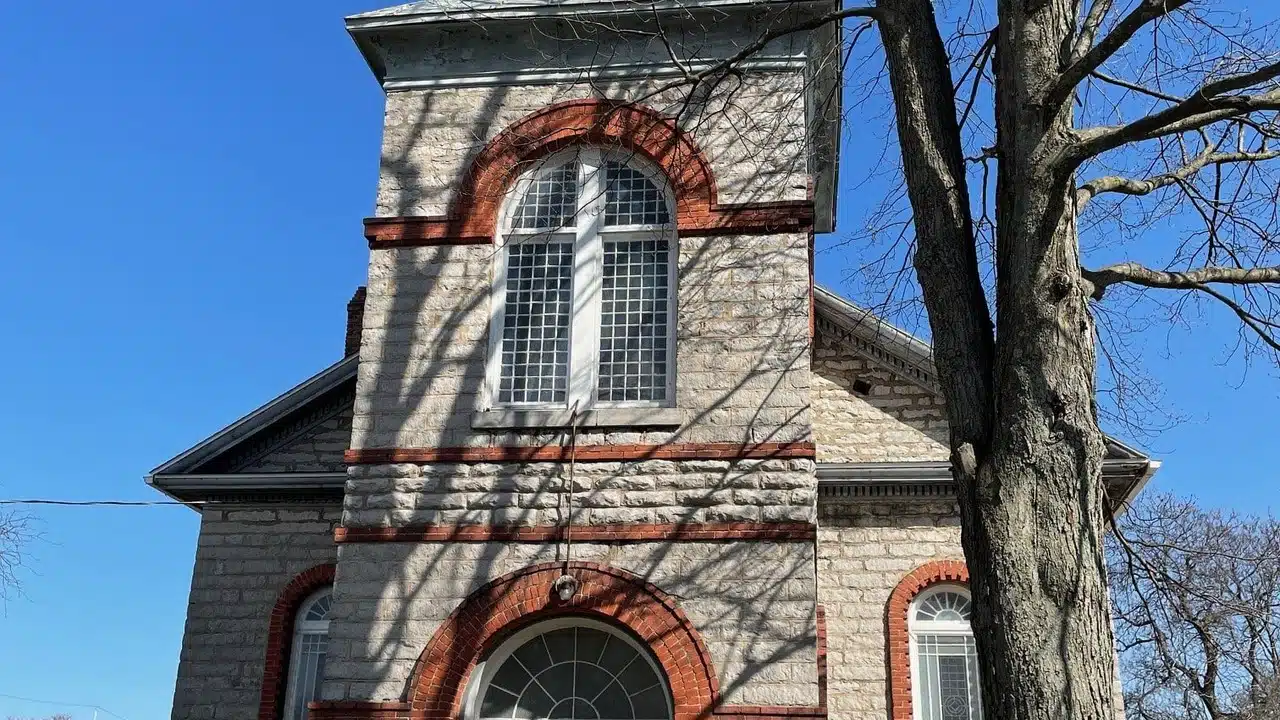
On Friday afternoon, November 3, 1865, Wash was laid to rest. His funeral was held at Sangerfield Congregational Church and attended by family, friends, and even enemies. He was buried next to his father in Sangerfield Cemetery. A few days later, Filkins was indicted, but his trial did not take place until the summer of 1867. His lawyer, Roscoe Conkling, opposed the indictment, and after deliberating, the judges set the indictment aside. No further charges were brought against Filkins.
For more than three decades, the Loomis Gang committed crime after crime and little was done to stop them until a constable had enough. Their dark legacy will forever be etched in stone in central New York. In late October near Nine Mile Swamp, when the wind blows cold and you begin to shiver, it might not be the cool October air. Maybe it’s the ghosts of the Loomis Family.

Kris Dempster is a historian and freelance writer with a passion for preserving local history in Upstate New York. A former longtime resident of Savona in Steuben County, Dempster focuses on uncovering and sharing the stories, people and places that shaped small communities across the Southern Tier and Finger Lakes region. His historical and family-history work has been published by North Country Now, the St. Lawrence County Center for History and Culture, and the Jefferson County New York Genealogical Society.