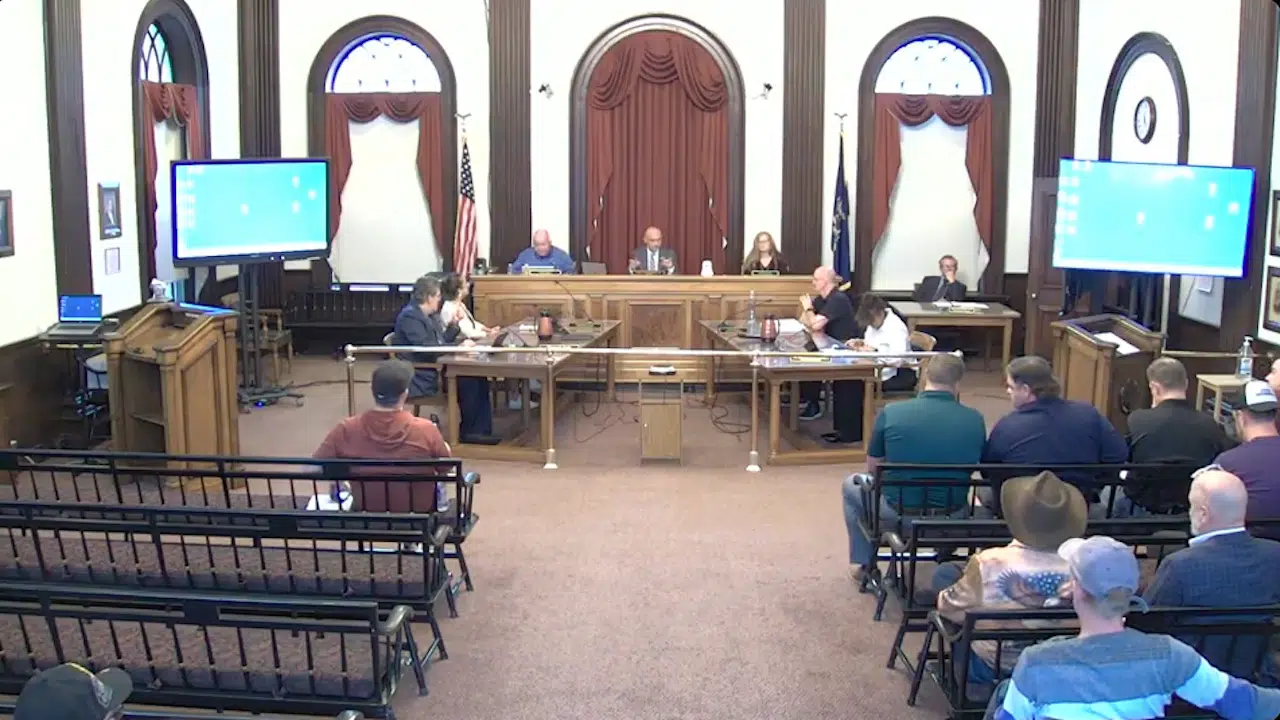
Auburn’s historic and cultural sites recorded a combined 154,832 visits in 2025, city councilors learned Thursday during an update highlighting restoration projects, expanded programming and the continuing cost of preserving the city’s attractions.
Kate Grindstaff, visitor experience manager at the New York State Equal Rights Heritage Center and administrator of the Historic and Cultural Sites Commission, said the institutions contribute to Auburn’s economy by bringing customers to restaurants, shops and hotels.
“Those visitors are not only walking through museums and historic buildings; they’re also spending their time and their money in this community,” Grindstaff said.
Her presentation followed a State of the Sites gathering earlier that day at the Carriage House Theater. The event brought together site directors, community leaders and elected officials and marked the 25th anniversary of the first gathering in 2001.
Grindstaff cited tourism figures showing $171.2 million in visitor spending across Cayuga County in 2025. The countywide spending figure covers tourism broadly, while the attendance total reflects visits reported by Auburn’s historic and cultural sites.
Tubman sites plan restoration and improved access

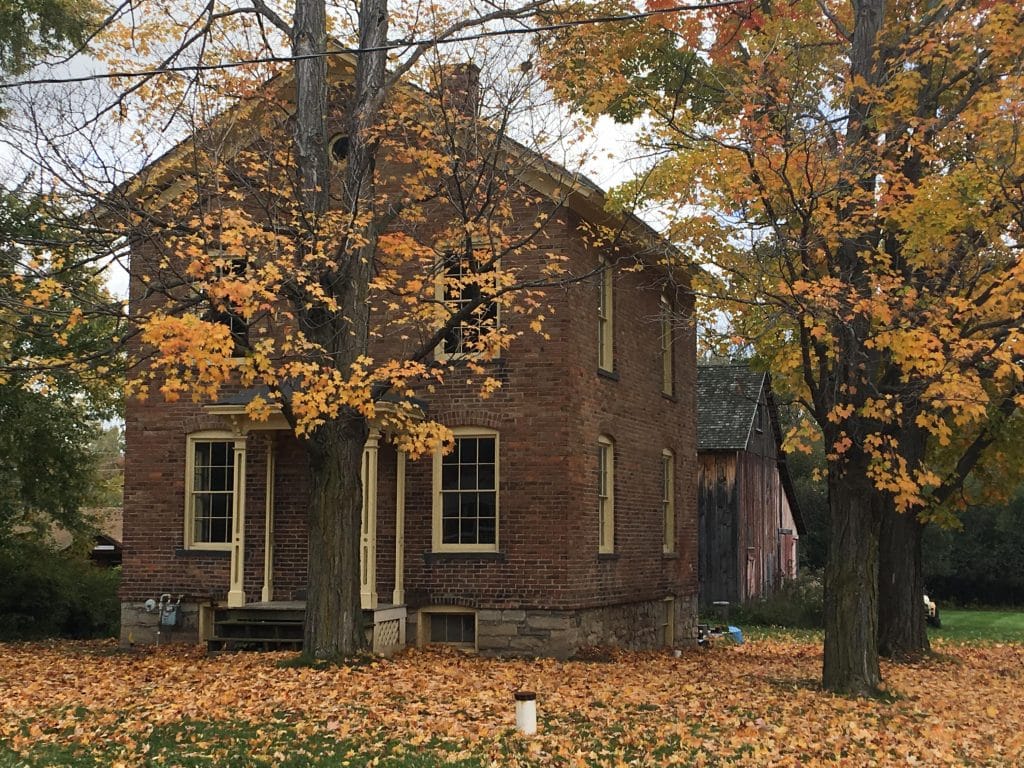
The Harriet Tubman Home received a $264,000 Empire State Development grant to support restoration of Tubman’s historic brick home, Grindstaff said.
Planning also includes an improved entrance, parking, an accessible drop-off area and a possible visitor center.
The organization has welcomed Ventris Gibson, who recently retired as director of the U.S. Mint, as its new executive director.
Grindstaff also highlighted the Harriet Tubman Underground Railroad Scenic Byway. Its recently approved first phase will connect Niagara Falls and Auburn, she said, positioning the city as a central destination along the route.
The broader vision includes eventually linking the New York route with the Tubman byway in Maryland.
At Harriet Tubman National Historical Park, Grindstaff pointed to community programming and partnerships, including Harriet Tubman Day activities at Thompson Memorial AME Zion Church. National Park Foundation grants have supported American Sign Language interpretation at events and transportation for the Passport to History program, she said.
Museums and landmarks face continuing preservation needs
Several institutions are preparing projects to protect historic buildings and improve access.
The Seward House Museum has identified interior climate control as a major priority for the coming years. Grindstaff said that need illustrates the sustained investment required to preserve historic sites and their collections.
The museum also received the American Alliance of Museums’ 2026 Impact Award for its programming, she said. Its restored Seward carriage is scheduled to be unveiled in November.
Willard Chapel completed a parking lot renovation through the Downtown Revitalization Initiative, installed interior spotlights and had its nine historic chandeliers cleaned for the first time in 131 years.
The organization is finalizing a building condition report to guide future work, including a lift, automatic doors and an additional accessible restroom.
Fort Hill Cemetery is researching a possible green burial section and considering rehabilitation of the Logan Monument.
The Cayuga Museum of History and Art, meanwhile, participated in “Harriet: A Taste of Freedom,” a five-site exhibition featuring more than 50 works by over 40 artists. Grindstaff said it attracted thousands of visitors and generated more than $16,000 in art sales.
Arts and education programs expand local reach
Grindstaff also emphasized the institutions’ roles in serving residents.
Auburn Public Theater’s expansion into its lower level, including the Owasco Room, has doubled its capacity for larger events, she said.
The REV Theatre Company’s education division reaches about 60,000 students across 62 counties, bringing curriculum-based performances into classrooms, including rural districts.
The Schweinfurth Art Center has improved its pottery studio and is planning free Wednesday sewing studio hours. It also offers free family programming on Saturdays and free admission for children younger than 16.
Seymour Library, celebrating its 150th anniversary, had offered more than 400 programs for over 8,000 attendees so far in 2026. Renovations completed in September included lighting and safety improvements, a new meeting room and additional quiet study spaces.
Councilor Terry Cuddy thanked Grindstaff for reminding residents of the institutions around them.
“Sometimes we that live here forget … what jewels we have in our community,” he said.

FingerLakes1.com is the region’s leading all-digital news publication. The company was founded in 1998 and has been keeping residents informed for more than two decades. Have a lead? Send it to news@fingerlakes1.com.