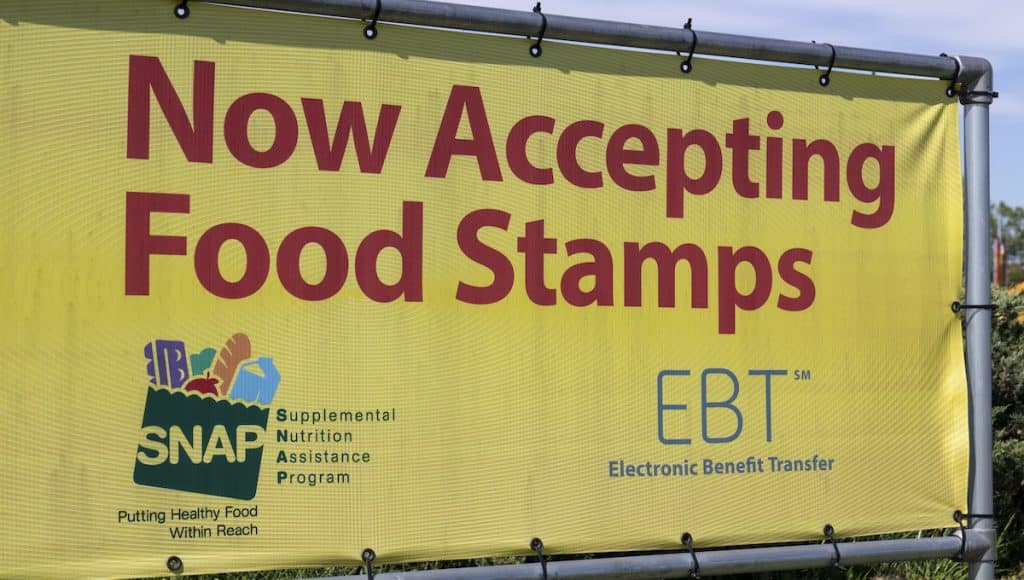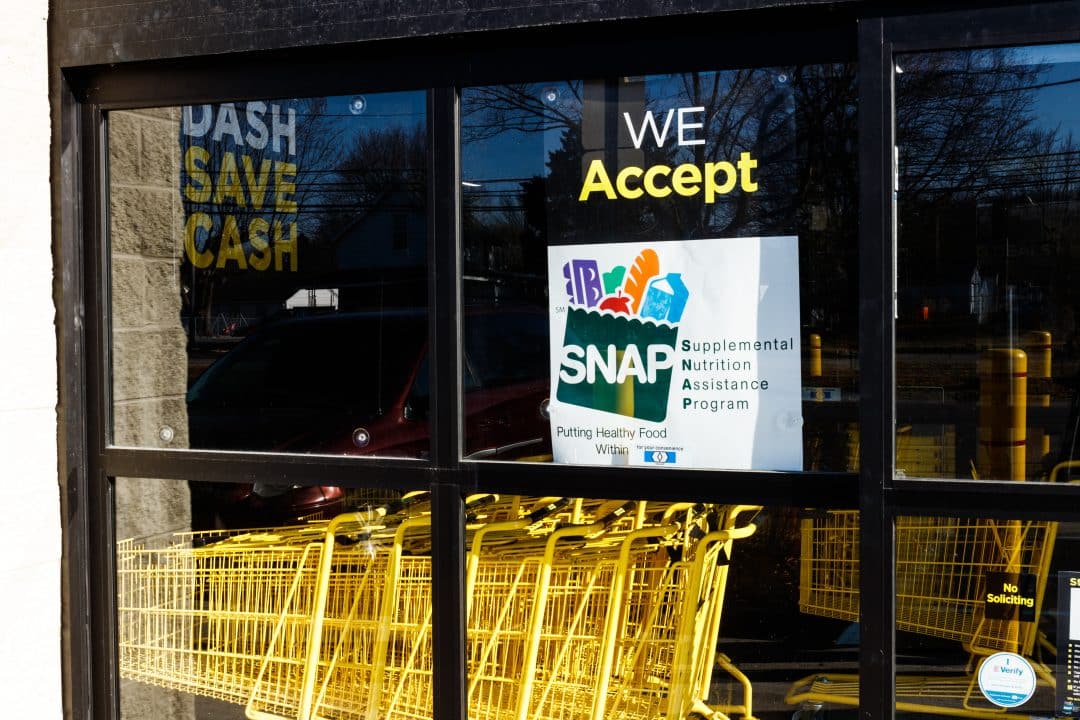
A legal standoff over SNAP payments is triggering chaos in state agencies and grocery stores across the country, after the Trump administration directed states to undo recent full disbursements made under court orders.
The USDA’s abrupt reversal followed a Supreme Court stay that paused rulings requiring the federal government to fund full SNAP payouts during the ongoing government shutdown.
What’s happening with SNAP in November?
- A series of court orders last week forced the USDA to resume full SNAP benefits in several states
- Millions of Americans saw funds loaded onto EBT cards just days ago
- But after Justice Ketanji Brown Jackson temporarily stayed those rulings, the USDA told states the payments were now “unauthorized”
Deputy Undersecretary Patrick Penn warned state agencies that they must undo any steps taken to issue full November benefits—or face penalties.
States push back hard
Many governors and attorneys general blasted the directive, calling it unworkable, punitive, and dangerous.
- Wisconsin: Already loaded benefits for 700,000 residents and warned it will run out of money by Monday
- Massachusetts: Said funds are legally on cards, and residents should continue using them
- Maryland Gov. Wes Moore: Called the guidance “intentional chaos”
- Sen. Lisa Murkowski (R-AK): Shocked that states using their own money might still be punished
“It’s one thing to appeal a ruling,” Murkowski said. “It’s another to penalize states that stepped up to feed people.”
Legal fights erupt again
At the center of the storm is whether states acted lawfully under active court orders or overstepped after the Supreme Court’s temporary stay. The USDA says the states moved too fast.
But states argue that:
- USDA initially encouraged disbursement
- Treasury froze reimbursements mid-process
- They face mounting vendor debt and legal exposure
Massachusetts Gov. Maura Healey said bluntly, “If President Trump attempts to claw back the money, we will see him in court.”
What’s at risk now?
- Over 42 million Americans rely on SNAP
- More than two dozen states are impacted
- Legal filings warn of catastrophic disruptions if reimbursements aren’t issued
- Future benefits remain in limbo as courts sort out the federal shutdown battle
Gov. Tony Evers of Wisconsin said the guidance amounts to reneging on a federal promise:
“We acted under legal authority. Now they’re telling us we might owe hundreds of millions.”

This content is brought to you by the FingerLakes1.com Team. Support our mission by visiting www.patreon.com/fl1 or learn how you send us your local content here.