

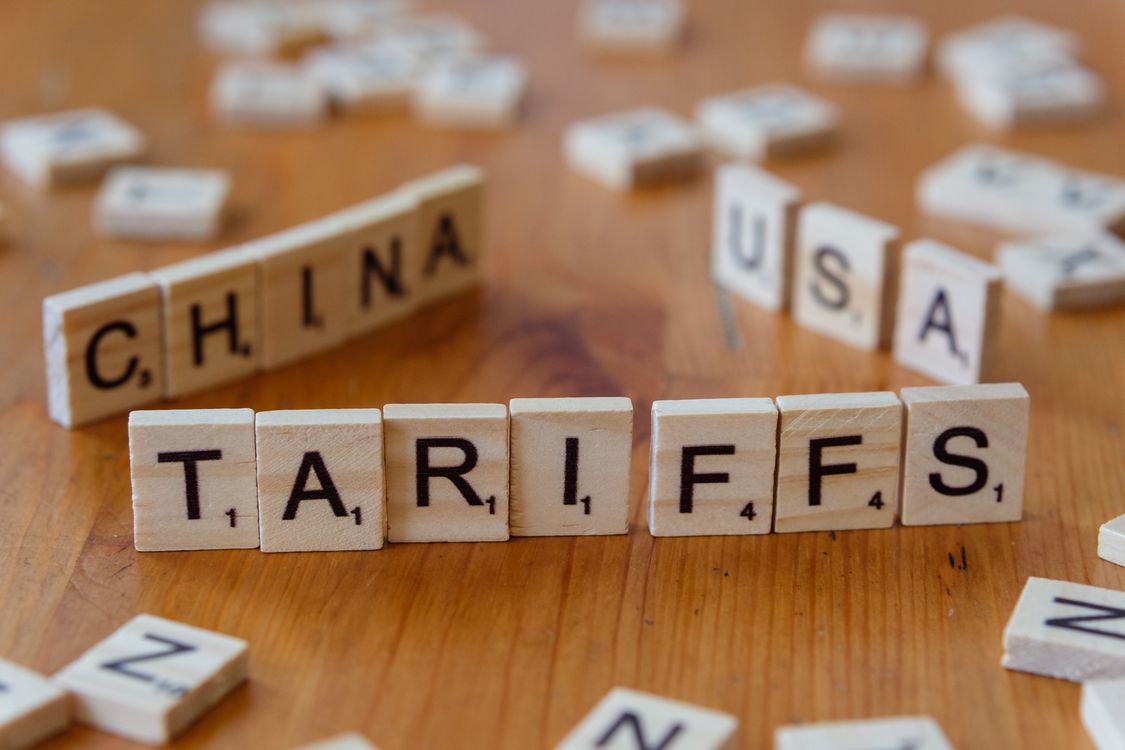
The tariff battle between the United States and China is heating up fast. Washington has slapped duties as high as 245% on Chinese imports, and Beijing has fired back with levies of up to 125% on American goods. The fallout is already visible: supply chains are buckling, recession fears are mounting, and markets are jittery. Manufacturing orders from China are drying up, container bookings are down, and corporate leaders across sectors are sounding the alarm about looming product shortages.
These recent economic shifts, driven by international trade disputes and fluctuating investor confidence, have also sent shockwaves through the iGaming sector. Publicly traded gaming companies are seeing increased pressure as tariffs reshape the cost landscape and trigger market uncertainty.
Despite these headwinds, consumer interest in online gaming remains strong—especially in the U.S., where players are actively seeking value. One popular avenue is US no deposit bonuses which NoDepositRewards offers the largest inventory, offering players a risk-free way to try out casino platforms without upfront investment. As economic forces fluctuate, such incentives continue to play a vital role in keeping player engagement high.
Stakeholder Concern
Trump’s tariffs have sent shockwaves through the gambling sector, unsettling investors and operators alike. Share prices for major casino groups, particularly those in Macau, have already tumbled amid worries about diminished tourism and reduced consumer spending. Rising import duties on gaming machines, electronic tables, and other casino fixtures are inflating renovation and expansion budgets, squeezing margins, especially for manufacturers that rely on global supply chains.
Smaller regional and tribal casinos face heightened vulnerability, lacking the deep financial reserves of multinational giants; if customer demand dips or equipment costs spike, they may be forced to halt upgrades or cut staff, affecting local hospitality businesses that depend on casino traffic. Meanwhile, state and local governments stand to lose gaming tax revenue, potentially jeopardizing public services, while heightened share price volatility raises borrowing costs and freezes new capital.
No Clear Way Forward
Trump’s abrupt duties have injected sharp volatility into share prices, making near term forecasts almost guesswork. Most analysts admit that the macro picture is too murky to predict whether the current sell offs will deepen or reverse; sentiment shifts by the headline, and models struggle to keep pace.
A common view is that uncertainty alone can drive investors to dump gaming stocks first and ask questions later. Analysts note that until trade policy stabilises, equity valuations in the sector will remain hypersensitive to each new tariff rumour or retaliatory response. The biggest unknown is how higher import costs will trickle down to consumer spending and, ultimately, casino revenue. Some suggest that gaming REITs, with their long term lease structures, may offer a relative safe haven, but even those valuations are not immune to broader market anxiety.
Potential Benefits for Online Gambling
While online betting isn’t immune to the pressures of rising tariffs—particularly as the cost of servers, networking infrastructure, and payment technology increases may actually emerge as one of the more resilient sectors. Compared to the cost of a night out at a land-based casino, a few online sports bets or virtual slot spins can feel like affordable entertainment, making them appealing during times of financial strain.
Since the pandemic, additional states and countries have moved to legalise online wagering, broadening the customer base just as physical venues face higher operating costs due to tariffs. Digital platforms are also less affected by traditional supply-chain disruptions, as they depend more on software and cloud-based infrastructure than imported physical equipment.
Moreover, while economic uncertainty often pushes markets into risk-aversion, sports betting has the potential to serve as a “risk-on” outlet, attracting users who still seek excitement and engagement. Historically strong lottery sales during economic downturns, combined with the ability to offer tailored micro-bets and promotional bonuses, further reinforce the appeal of iGaming. As a result, the online gambling sector may continue to thrive, even as other parts of the industry struggle amid a prolonged trade war.
Grey Market Threats
As the online gambling industry braces for tariff-driven cost increases and broader economic headwinds, unregulated casinos continue to pose its greatest threat. These offshore platforms are cutting through the noise and attracting unsuspecting players by offering minimal identity checks, the promise of lucrative wins, and faster withdrawals, all while bypassing compliance costs and responsible gambling regulations.
Unfortunately, their appeal shows no signs of waning, leaving licensed operators to confront two major challenges: rising operational expenses due to Trump’s tariffs, and the ongoing battle to maintain market share against grey-market competitors who don’t play by the same rules.
Moreover, there is also the case of how regional casinos might weather broader economic softness better than flagship destination resorts because they rely less on conventions and big ticket vacations. Still, if discretionary spending tightens, and unlicensed platforms remain just a click away, capturing and retaining players will only grow tougher for compliant operators.

This content is brought to you by the FingerLakes1.com Team. Support our mission by visiting www.patreon.com/fl1 or learn how you send us your local content here.