

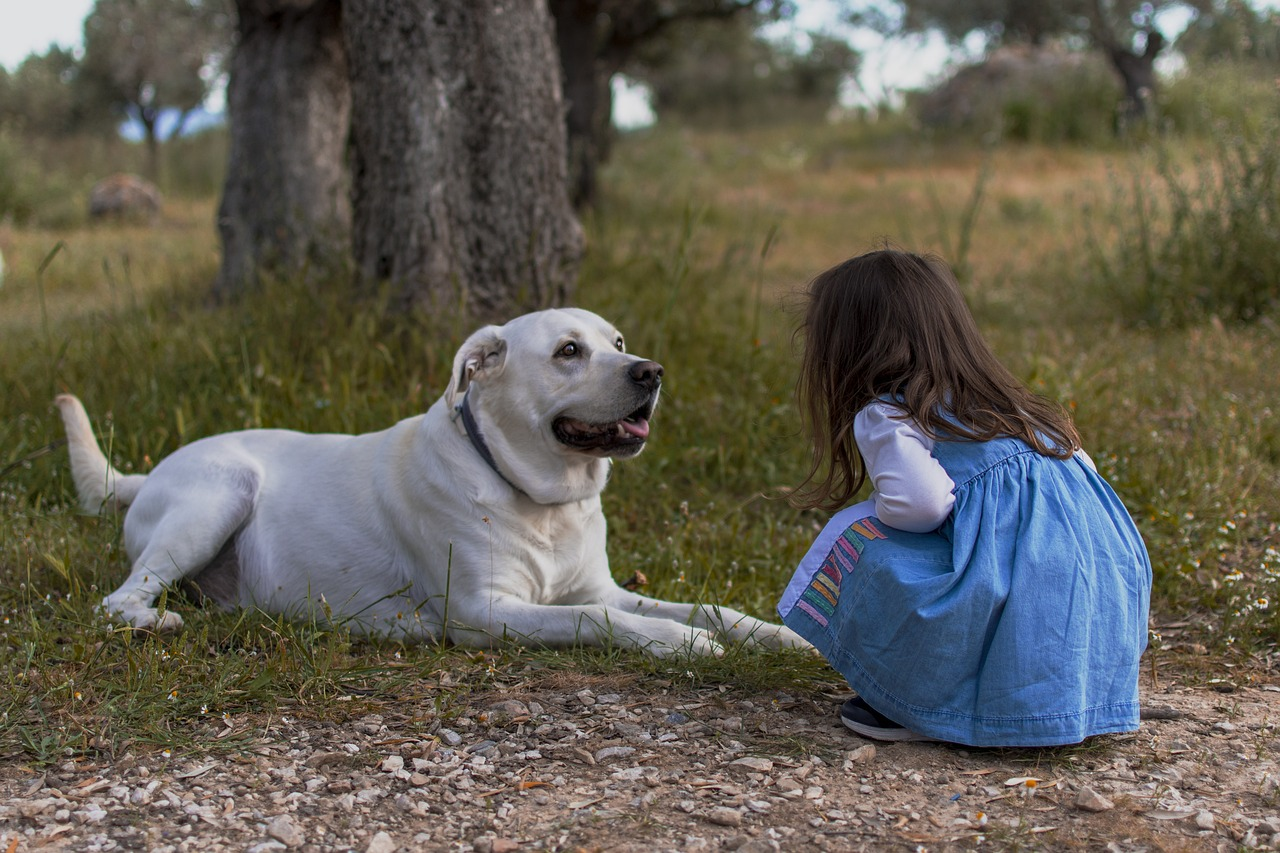
When a child is responsible for a dog, the complexities of liability following a dog bite can surface. Parents and guardians often wonder whether they are liable if their child is in charge at the time of the incident. Liability for a dog bite typically falls on the dog’s owner, but the involvement of a child complicates this picture.
Determining liability involves various factors, including local laws and the child’s age and maturity. It is crucial to assess whether the child could control the dog and if they understood the potential risks involved. In many jurisdictions, a minor may not be held to the same standards as an adult, which can affect the outcomes of any claims made.
Understanding Legal Responsibility in Dog Bite Incidents
Role of Supervision in Dog Bite Cases
Supervision is crucial when a child handles a dog. If a child is in charge, the level of adult supervision can affect liability. An adult must ensure that the child understands how to interact with the dog safely.
Inadequate supervision may lead to an assumption of responsibility on the part of the adult. If the dog bites someone while a child is in charge, courts often scrutinize the supervision practices. Key questions may include:
- Was the adult present when the incident occurred?
- Did the adult provide clear guidance to the child about managing the dog?
If the supervision is lax, the adult may face legal consequences.
Determining Liability When a Child is Managing the Dog
Liability in dog bite cases with a child in charge hinges on several factors. One important aspect is the age and maturity of the child.
Younger children may lack the skills to manage a dog effectively, making it difficult for them to be held accountable. Courts may consider whether the dog owner should have anticipated that a child would handle the dog.
Another factor is the breed of the dog. Certain breeds may be known for aggressive behavior, raising questions about the appropriateness of placing such a dog in the hands of a child.
Relevant laws may vary by jurisdiction, so consulting a dog bite law firm can provide clarity on specific responsibilities and potential liabilities.
Child Involvement in Dog Bite Cases
Legal Age of a Child to Supervise a Dog
The legal age at which a child can responsibly supervise a dog varies by jurisdiction. In most regions, children under the age of 10 may not be considered suitable to manage a dog without adult supervision. Factors that influence this age include:
- Dog breed: More energetic or aggressive breeds may require older supervision.
- Child maturity: A child’s individual temperament and experience with dogs also play a role.
Parental Responsibility for Dog Bites
Parents or guardians may be held liable for dog bites if a child is in charge of the dog. This liability typically falls under “vicarious liability,” meaning that adult owners can be responsible for the actions of their pets, even when a child is involved. Key considerations include:
- Negligence: If a parent allows a child, who is not capable, to supervise a dog, they could be deemed negligent.
- Knowledge of behavior: If the parent knew the dog had aggressive tendencies, liability may increase.
Preventive Measures and Safeguards
Educational Measures for Children Handling Dogs
Education is vital in teaching children how to interact with dogs safely. Children should learn basic dog behavior, such as understanding body language and recognizing signs of discomfort in a dog. Teaching them to approach unfamiliar dogs cautiously and ask for permission from the owner can prevent accidental bites.
Parents and guardians should also encourage children to follow specific rules, such as never disturbing a dog while it is eating or sleeping. Role-playing scenarios can help children practice safe behaviors in a controlled environment. Illustrative resources, like videos or books, can make learning engaging and impactful.
Additionally, local schools and community centers can host workshops emphasizing dog safety. Including local dog bite law firms in these initiatives may provide valuable insights on liability and legal responsibilities related to dog handling.
Community Guidelines and Dog Control Laws
Communities can enhance safety by establishing clear dog control laws and guidelines. These laws can include leash requirements, designated dog parks, and restrictions on certain breeds known for aggressive behavior. Compliance with these regulations is crucial for preventing incidents.
Regular community safety campaigns can raise awareness about responsible dog ownership. Educating dog owners on the consequences of negligence helps foster a responsible pet ownership culture. Furthermore, neighborhood watch programs can encourage residents to report dangerous or aggressive dogs.

This content is brought to you by the FingerLakes1.com Team. Support our mission by visiting www.patreon.com/fl1 or learn how you send us your local content here.