

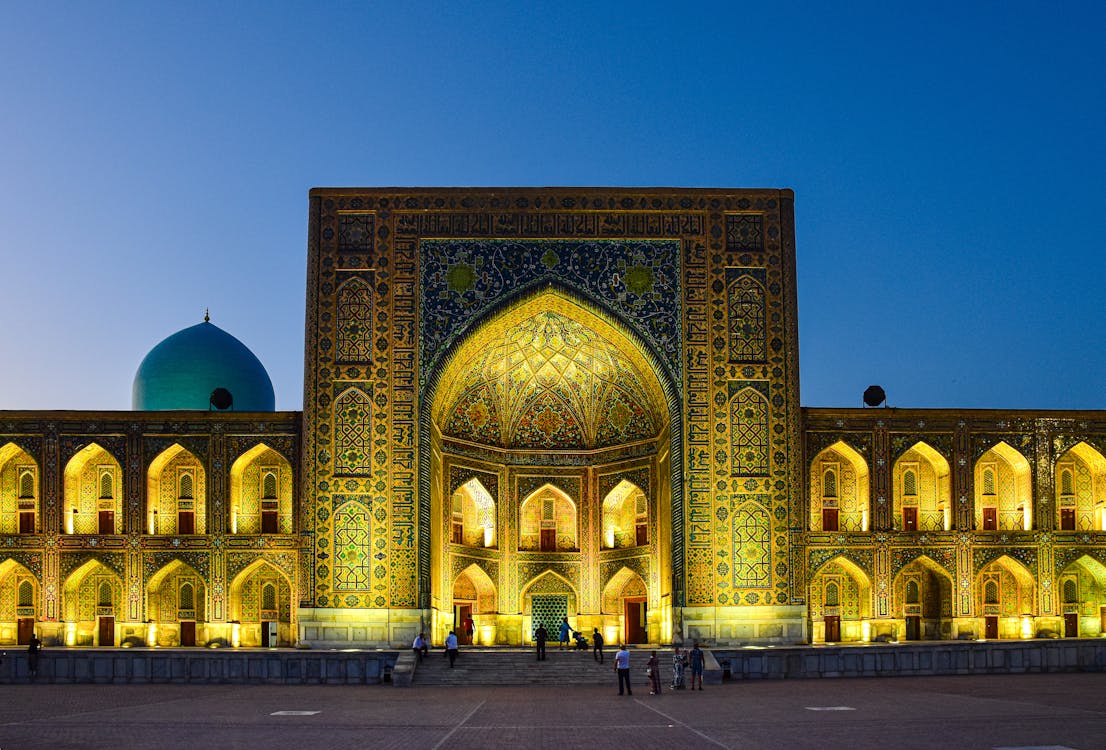
Uzbekistan, once seen as a tightly controlled post-Soviet republic, has embarked on a significant journey of reform over the last few years, notably under President Shavkat Mirziyoyev. A country that was long criticized for its poor human rights record and authoritarian grip on civil society is now demonstrating encouraging signs of change. As the upcoming elections approach, Uzbekistan’s progress on civil society engagement and human rights will be under scrutiny, yet the challenges that remain cannot be overlooked.
A New Approach to Civil Society
Perhaps one of the most noticeable changes in Uzbekistan’s political landscape is the government’s increasing openness to civil society. Historically, the Uzbek government viewed civil society organisations (CSOs) with suspicion, imposing stringent controls over their registration and operations. However, since 2016, President Mirziyoyev has introduced reforms aimed at encouraging their role in the governance process.
A significant milestone in this effort came in 2021 with the introduction of the Concept for the Development of Civil Society (2021-2025). This framework is designed to give CSOs more autonomy, simplifying registration processes and offering public funding for initiatives that promote social welfare and human rights. The establishment of the Public Fund for the Support of Civil Society Institutions, operating under the Uzbek Parliament, underscores the government’s commitment to enhancing the capacity of NGOs.
In practical terms, this shift has already yielded results. Hundreds of NGOs, once marginalised, are now playing active roles in sectors such as education, healthcare, and women’s rights. Furthermore, the expansion of digital platforms like E-Saylov—Uzbekistan’s new digital election system—highlights how civil society is also benefiting from the government’s drive for greater transparency.
Human Rights: From Rhetoric to Reform
Uzbekistan’s progress in the area of human rights is no less significant. For years, the country was synonymous with harsh restrictions on free speech, political dissent, and civil liberties. Under Islam Karimov, Uzbekistan faced global condemnation for issues such as forced labour in the cotton industry and the suppression of media freedom.
Mirziyoyev’s administration, however, has moved to reverse many of these practices. One of the most lauded reforms is the elimination of forced labour in the cotton sector, a long-standing concern for international human rights organisations. This move, coupled with the introduction of new laws aimed at protecting women from domestic violence, reflects a shift towards aligning Uzbekistan’s policies with global human rights norms.
The government has also made strides in media freedom, allowing independent journalists and bloggers greater scope to report on issues like corruption and economic disparities. While state control of the media remains an issue, and journalists still face restrictions, the progress made in terms of press freedom is undeniable. The country’s engagement with international human rights bodies, including the United Nations Human Rights Council, has further enhanced its reputation on the global stage.
Environmental Progress: A Green Turn in Uzbekistan
Beyond civil liberties and political reform, Uzbekistan is also making notable advances in environmental policy. As part of its broader modernization efforts, the government has placed increased emphasis on sustainable development and environmental protection. In recent years, the country has launched several initiatives to combat desertification, improve water management, and reduce the environmental impact of its once heavily industrialised economy.
One of the key projects has been the effort to restore the Aral Sea, a symbol of the environmental degradation that plagued Central Asia for decades. Uzbekistan has committed to reversing some of the damage by planting millions of trees in the surrounding desert and investing in sustainable agricultural practices that conserve water and reduce chemical run-off.
In addition, Uzbekistan has embraced renewable energy, particularly solar and wind, as part of its commitment to reducing carbon emissions. This aligns with the government’s broader goal of diversifying the economy, moving away from reliance on natural resources and towards a more sustainable, knowledge-based economy. While the country faces immense challenges in achieving its environmental goals, the steps taken thus far are encouraging signs of its commitment to a greener future.
The Remaining Challenges
Despite these significant strides, Uzbekistan is not without its challenges. The registration process for NGOs, though improved, remains cumbersome compared to that in Europe. Moreover, foreign funding for CSOs remains tightly controlled, limiting their financial independence and ability to operate without government interference.
There are defamation cases where freedom of speech, while expanded, continues to be hampered. As such, Uzbekistan still has some way to go before it can claim a fully open and democratic space for civil society and free expression.
Similarly, there are issues on human rights enforcement. While torture has been officially banned, there continue to be allegations of ill-treatment by law enforcement, particularly in detention facilities.
The Road Ahead
As Uzbekistan prepares for its elections, the country’s progress in civil society and human rights will be closely watched, both domestically and internationally. The government has laid the groundwork for significant reform, but institutionalizing these changes remains a challenge. Civil society must continue to expand its role, not only in areas like healthcare and education but also in holding the government accountable. Similarly, human rights laws must be rigorously enforced, and the judicial system must be strengthened to protect individual freedoms.
The environmental progress made by Uzbekistan adds another dimension to the country’s reform agenda. Its success in balancing economic development with environmental sustainability could serve as a model for the broader region. However, achieving long-term sustainability will require a continued focus on green policies and a commitment to overcoming the legacy of decades of environmental neglect.
Uzbekistan’s journey towards a more open and democratic society is far from complete, but the progress made in recent years is notable. The challenge for the government will be to consolidate these reforms, ensuring that civil society has the space and resources to grow independently, and that human rights are not only protected by law but also in practice. As the elections approach, Uzbekistan’s commitment to reform will be tested, but the steps taken thus far offer a hopeful glimpse of a more open and inclusive future.

Emily Scott is a reporter and producer in Philadelphia. She previously worked at WHYY, Philadelphia’s NPR station and is a 2018 graduate of Temple University and the Salt Institute for Documentary Studies. Now she reports for the Public News Service as part of the New York News Connection. Click here to support their mission! Send them an email at nync@newsservice.org.