


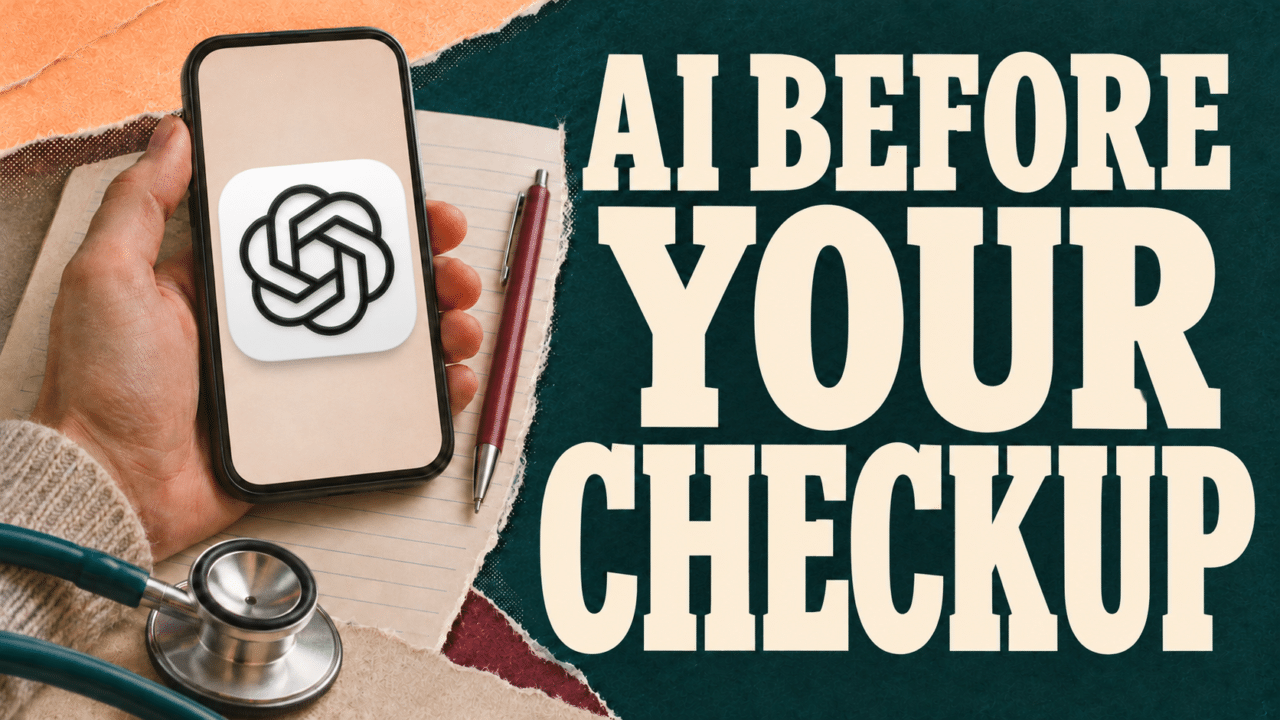
If you’ve got 20 minutes with your doctor and a week’s worth of questions, an AI chatbot may help you sort out what to ask first. That can be especially useful at a follow-up for a condition you already know you have, such as diabetes or high blood pressure, University of Rochester Medicine experts say.
Internal medicine physician Dr. Conrad Gleber and Kathleen Fear, who leads AI and automation work at the university’s health system, offered guidance Wednesday on using tools such as ChatGPT before and after a visit.
Their advice is to give the chatbot a narrow job, such as organizing questions or explaining an unfamiliar term. New symptoms and questions about test results should go to a health care professional.
Start with what you want to ask
For a blood pressure follow-up, a patient might ask for help making a short list of questions about home readings, medication side effects and when to check back with the office.
Someone who has noticed a change can write down when it started, what makes it better or worse and how it has changed. A chatbot can put those observations in order. The patient should read through the list before bringing it in to make sure the details are right.

Gleber said trying to settle on a diagnosis beforehand can change how patients describe what they’re experiencing.
A clinician may pick up something useful from hearing what happened in the patient’s own words and asking follow-up questions. The federal guide to preparing for a medical visit also recommends bringing a list of prescription medicines, over-the-counter products and supplements.
When a result arrives before your doctor calls
That can happen to patients who use UR Medicine’s MyChart, which releases most test results as soon as they are finalized. The system includes practices such as Canandaigua Medical Group Internal Medicine. Patients may see a result before the ordering clinician has had a chance to review it.
- Norepinephrine May Help Slow Alzheimer’s Disease Progression
- INSIDE THE FLX: URMC brings healthcare to Five Star Bank branches in rural communities (podcast)
- After years of planning, Finger Lakes Health will join URMC becoming UR Medicine Finger Lakes Health
- New simulation technology at University of Rochester Medical Center’s trauma center
Gleber recommends asking the care team what the result means in light of why the test was ordered, the patient’s symptoms and other findings. After that conversation, a chatbot can help organize follow-up questions or explain general terms. Patients should confirm medication doses, warning signs and treatment changes with the office before acting on them.
For questions about a result or a visit summary, UR Medicine directs patients to message their care team through MyChart or call the provider’s office.
Make FL1 part of your day.
Local reporting. Useful updates. More ways to stay close to your community.
Go ad-free
Support independent local reporting and enjoy FL1 without display ads.
$4.99 / month
Become a member →Cancel anytime. Third-party media players may contain ads.Get the daily briefing
Start your morning with the headlines that matter across the Finger Lakes.
Find more FL1 on Google
Choose FingerLakes1.com as a preferred source to see more of our reporting in your Google news results.

FingerLakes1.com is the region’s leading all-digital news publication. The company was founded in 1998 and has been keeping residents informed for more than two decades. Have a lead? Send it to news@fingerlakes1.com.