

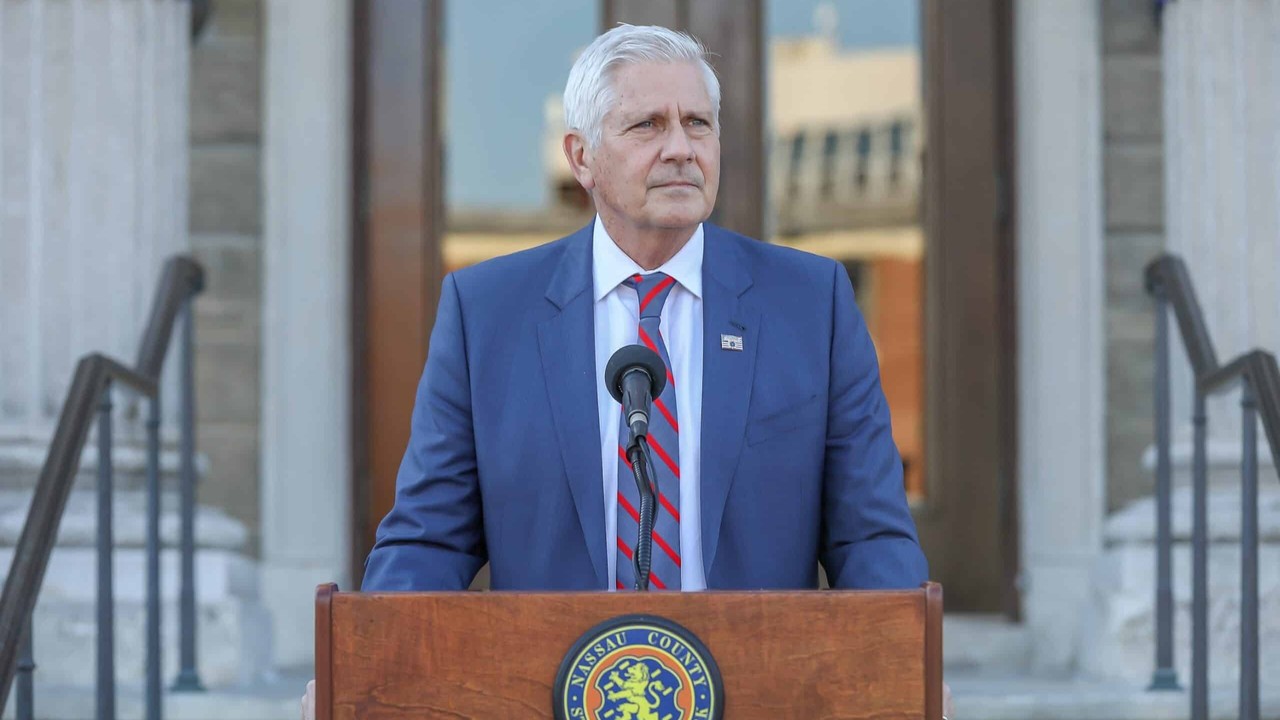
Bruce Blakeman said New York's minimum wage should remain at its current level, arguing that an increase would threaten entry-level jobs, in an interview that drew criticism Thursday from the state Democratic Party.
The Nassau County executive, who is challenging Gov. Kathy Hochul, laid out his position in an interview published Wednesday by The Chief. He said businesses could respond to higher labor costs by replacing workers with technology.
“I think the minimum wage is where it should be. We should not increase it,” Blakeman told the publication.
He described minimum-wage positions as a source of work for people entering the job market, students and others seeking part-time or temporary employment. He pointed to automated ordering as an example of technology businesses can use instead of hiring workers.
His argument centered on preserving those jobs. The Democratic Party's response centered on whether wages keep pace with living costs, highlighting a disagreement between the candidates over affordability.
Democrats point to Hochul's wage policy
In its statement Thursday, the New York State Democratic Party criticized Blakeman's opposition to an increase and credited Hochul with raising the minimum wage and linking future changes to inflation.
The party also cited Hochul's proposal for a wage increase in 2027. It framed the issue as a choice between protecting workers' purchasing power and holding the minimum wage at its current level.
- Cornell researcher leads new survey of planetary science workforce
- Nearly 40% of New York home care workers live in or near poverty, Cornell report says
- Schuyler County hiring full-time correction officer for 911 dispatch
- Cayuga County lawmakers to revisit retiree insurance changes, address jail staffing costs Tuesday
Democratic spokesperson Addison Dick argued that Hochul's wage policy and other affordability measures would benefit workers. The statement also promoted the governor's energy rebates, inflation refunds and middle-class tax cuts as part of the party's case for her reelection.
Blakeman has presented tax reductions and lower utility bills as central parts of his own affordability agenda. In The Chief interview, he also defended his collective bargaining record and argued that expanding economic activity would create better-paying jobs.

FingerLakes1.com is the region’s leading all-digital news publication. The company was founded in 1998 and has been keeping residents informed for more than two decades. Have a lead? Send it to news@fingerlakes1.com.