Keuka College is highlighting how internships can help students practice workplace skills, explain their experience to employers and build relationships that lead to jobs.
In a new interview published by the college, Edconic CEO Brandon Busteed identifies five priorities: communication, challenging work and feedback, connecting experience with classroom learning, employer talent pipelines and support that helps students find opportunities.

Busteed previously led Gallup’s education and workforce development work. Edconic develops hands-on educational programs connecting high school and college students with companies, institutions and industries.
Practice skills and ask for feedback
Busteed said internships give students opportunities to work on teams, communicate with colleagues and discover which roles suit them.
“Employers consistently say they want graduates who can communicate effectively and work well with others,” he said.
He encouraged students to ask what work they will do and who will supervise them, seek more responsibility when appropriate and request useful feedback. He also urged students to explain specific ways their academic work informed their workplace experience, or how an experience brought classroom learning to life.
Keuka pairs experiential learning with faculty and adviser support before, during and after a placement. Students set goals and reflect on what they learned through the college’s Field Period program.
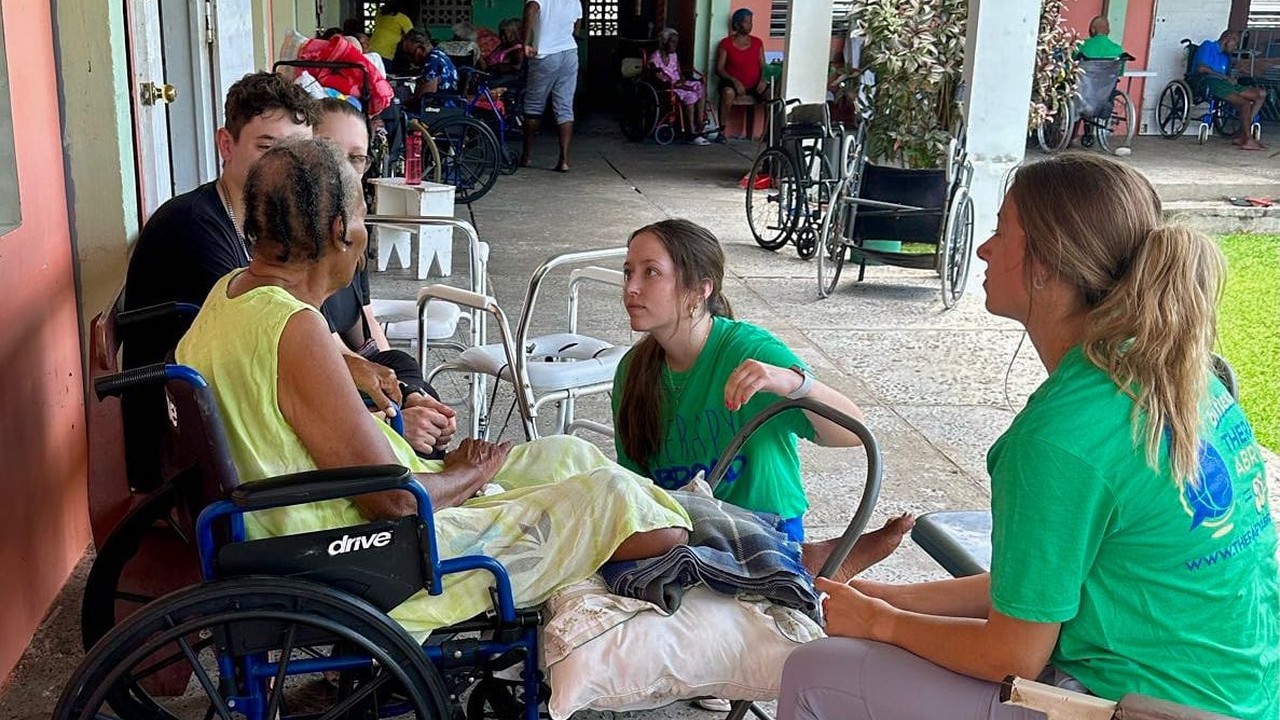
The Field Period program lets students in every major design an experience each year. Options extend beyond office internships to international and other experiential learning opportunities, with faculty helping students plan and assess their work.
An internship that became a job
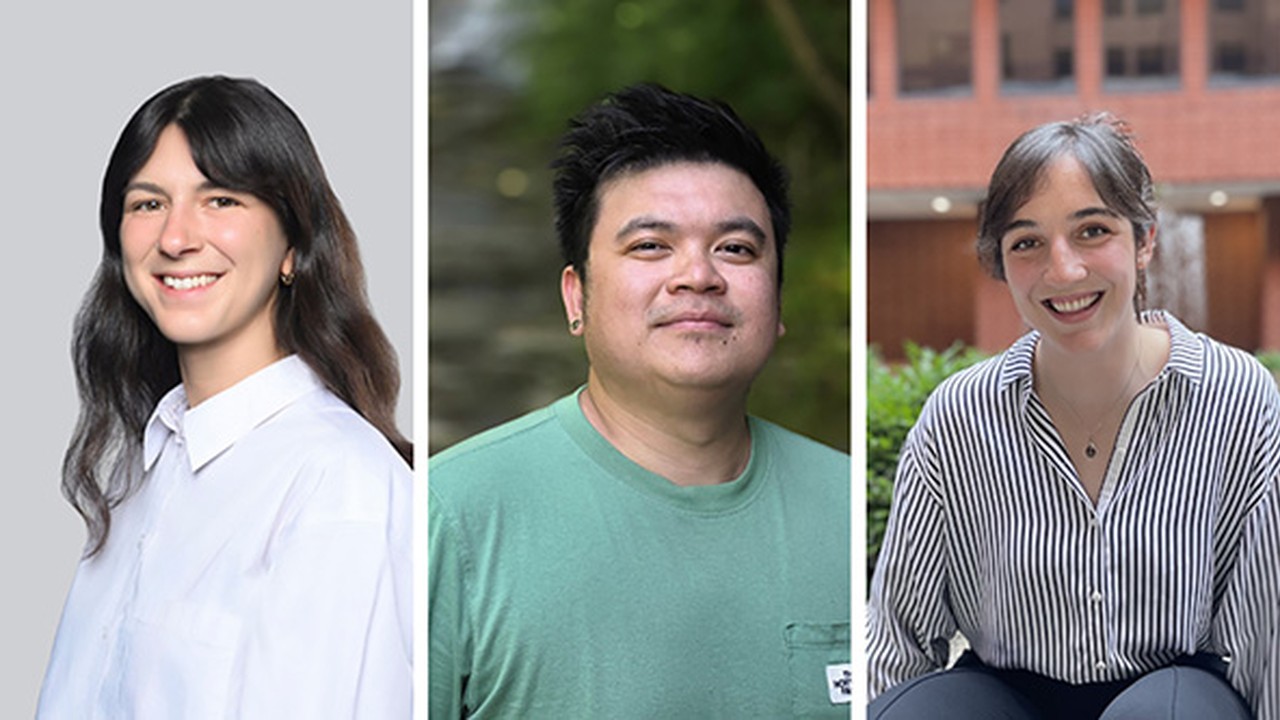
Rebecca Doctor, a 2022 applied math and finance graduate, described how a Field Period placement at Ameriprise Financial Services led to a full-time offer before graduation.
“After I completed my required 120 hours, they asked me to stay on,” Doctor said in the college’s account.
Busteed said internships can also help employers identify future employees and build a hiring pipeline. He described former interns as more likely to remain with their host employer than other new hires.
Deidre Anchorstar, a Field Period professional adviser, said students have support while retaining ownership of an experience that reflects their interests. Keuka’s resources include individual faculty guidance, dedicated advisers, a digital networking platform, drop-in sessions, study-abroad opportunities and scholarships.
National evidence and access gaps
A 2017 Gallup analysis found that 42% of bachelor’s degree graduates from 2002-2016 who strongly agreed they had a relevant job or internship as undergraduates reported having a good job waiting at graduation. The figure was 20% among those who did not strongly agree.
Access remains a separate challenge. A 2024 Business-Higher Education Forum report estimated that 8.2 million learners wanted an internship in 2023, compared with 3.6 million who completed one. The estimates covered students at two- and four-year colleges and recent associate or bachelor’s degree graduates. Researchers applied participation and interest rates to 2021-22 enrollment figures, assuming interest was twice participation for groups whose interest rates were unknown.
The report also estimated that 2.5 million learners had an internship meeting markers of quality such as clear learning goals, supervisor feedback and skill development.
Keuka students can design a Field Period in their hometown or abroad. The college offers scholarships to help cover travel costs.

FingerLakes1.com is the region’s leading all-digital news publication. The company was founded in 1998 and has been keeping residents informed for more than two decades. Have a lead? Send it to news@fingerlakes1.com.