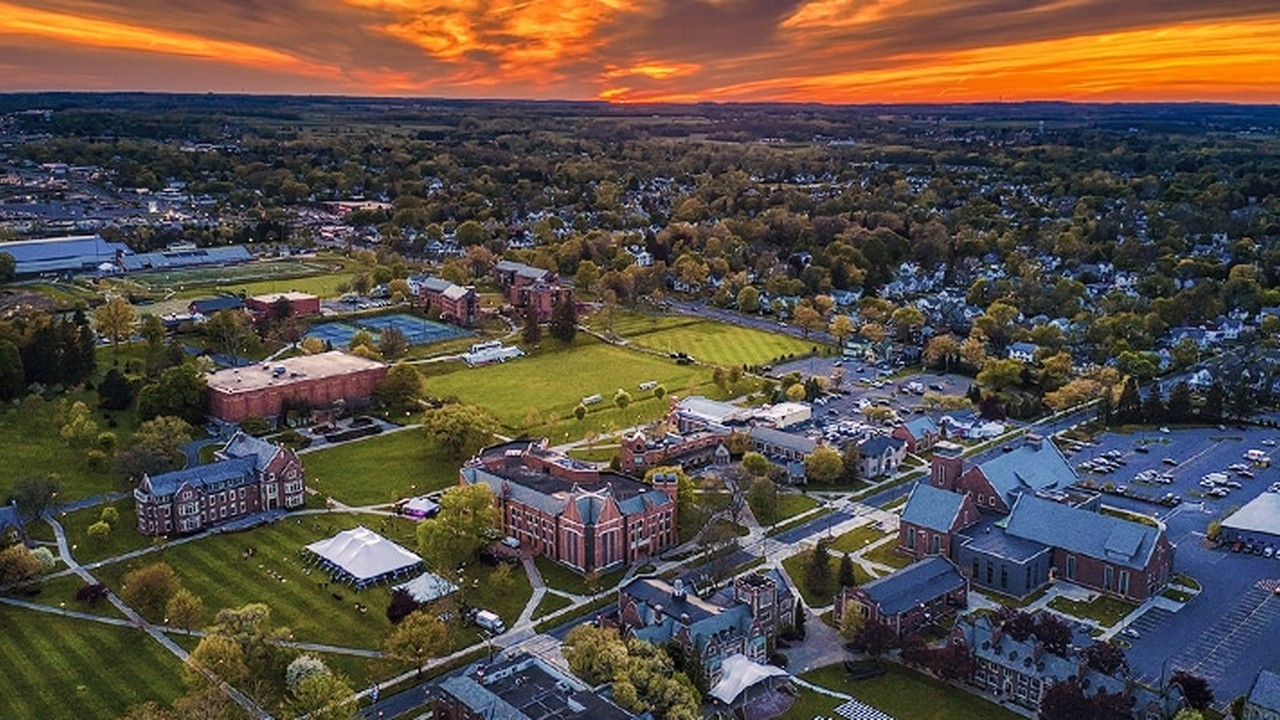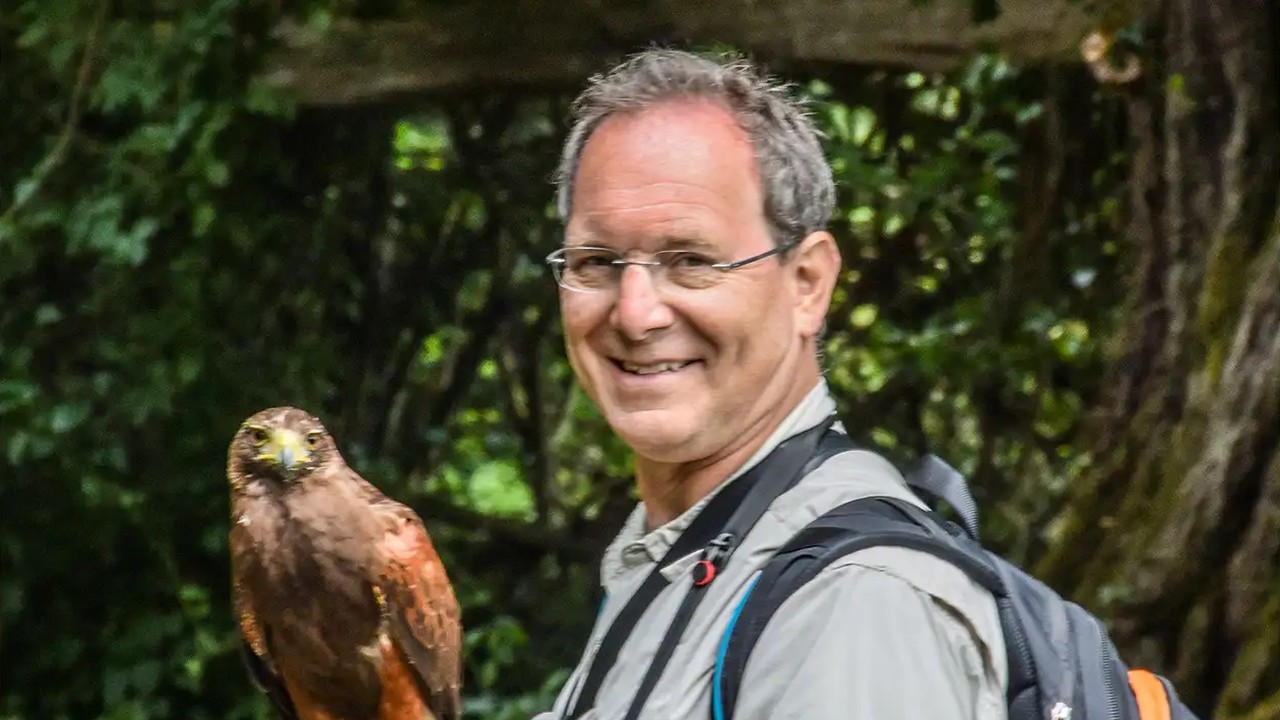
After 47 years in wildlife conservation, Hobart College graduate Frank Kohn continues to advise zoos and airlines on transporting animals while pursuing photography and speaking at schools about Holocaust awareness.
Kohn, a member of the Class of 1977, retired from conservation work in 2025. In a new Hobart and William Smith profile, he describes the relationships and unexpected opportunities that led him through zoos, wildlife protection and negotiations with China and the European Union.

“When I was at Hobart, I never thought I’d be doing anything like this,” Kohn said.
Kohn entered Hobart planning to study medicine. After meeting psychology professor Martin Kelly Jr., he became a psychology major and explored animal behavior and zoology. He also remembers ornithology outings with biology professor Richard Ryan, who challenged students to count bird species. On their final outing, the students matched their professor’s count.
A visit that changed his career
Kohn initially pursued graduate school with teaching in mind and wrote his master’s thesis on dogs’ sense of smell. While visiting his brother in Washington, D.C., he went to the Smithsonian National Zoo and met animal behavior specialist Devra Kleiman, whose work he admired.
The conversation brought an offer to conduct his thesis work at the Smithsonian’s facility in Front Royal, Virginia, and helped open a different career path.
Kohn recalled an introduction to the Audubon Zoo in 1980, before his first official day as a zookeeper. Another keeper asked him to help medicate the foot of Squeak, an adult South American tapir. Initially nervous, Kohn scratched the animal behind its ear and watched it sit down and roll onto its side, easing his fear.
Kohn spent three years working with large animals at the Audubon Zoo in New Orleans before becoming general curator at New Jersey’s Turtle Back Zoo. He later returned to the National Zoo, overseeing research collections, acquisitions and dispositions and managing the North American Red Panda Species Survival Plan.
He then spent 22 years in the U.S. Fish and Wildlife Service’s international affairs division, working on safe and humane wildlife transportation. He collaborated with zoos and the International Air Transport Association on its Live Animal Regulations and remains on the association’s Live Animals Working Group.
Wildlife trade and work after retirement
Kohn coordinated the agency’s Plant Rescue Center Program and worked on pangolins, cheetahs, confiscated wildlife, stockpiles, domestic markets and livelihoods under the Convention on International Trade in Endangered Species of Wild Fauna and Flora.
He also helped establish the Association of Zoos and Aquariums’ Wildlife Confiscation Network, which helps federal inspectors find appropriate placements for confiscated animals. His international negotiations included discussions of pangolin trade with China and the European Union.
His school visits include discussions of career paths and his parents’ experiences as Holocaust survivors.
Kohn credits his college experience with building confidence, helping him explore different interests and developing the networking skills he used throughout his career. A flexible study plan allowed him to pursue subjects such as ornithology while completing his degree.
“It’s more important to get along than to get ahead,” he said.

FingerLakes1.com is the region’s leading all-digital news publication. The company was founded in 1998 and has been keeping residents informed for more than two decades. Have a lead? Send it to news@fingerlakes1.com.