

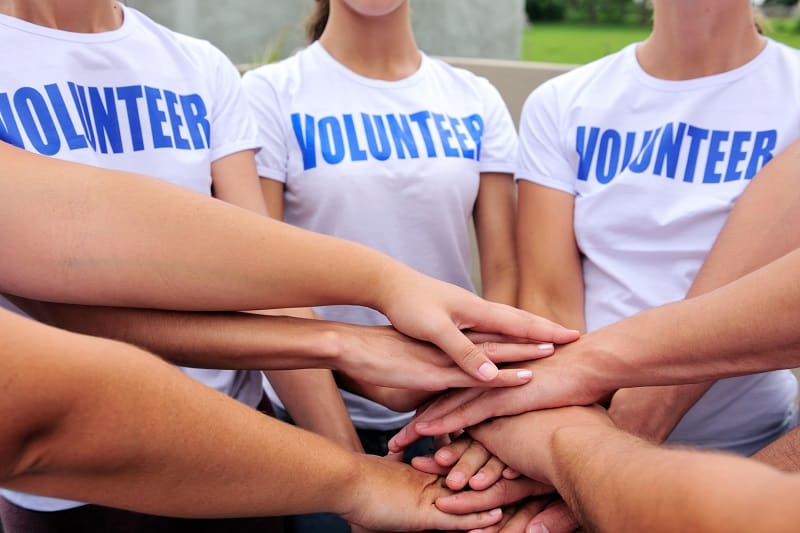
Urban, suburban and rural Americans participate in public life at broadly similar rates, though they differ in how they volunteer, join groups, follow news and practice religion, according to a new Pew Research Center analysis.
The Pew-Knight report places adults into four patterns of engagement. Highly active "Mobilizers" accounted for 9% of urban residents, 9% of suburban residents and 10% of rural residents. The least-engaged "Outsiders" made up 35%, 30% and 35%, respectively. Those figures do not show a large urban-rural divide in overall participation.

Suburban adults were somewhat more likely to be "Connectors," who volunteer, donate or participate in groups but are less active politically. Urban adults were more likely to be "Spectators," who follow news at high rates but participate less directly.
Rural residents were slightly more likely than urban residents to belong to groups meeting mostly in person; urban residents more often reported groups meeting mostly online. Rural adults were also more likely to attend religious services at least monthly: 42%, compared with 37% of suburban and 33% of urban adults.
About a third of people in each setting reported at least one of five political actions. Rural residents were more likely than urban residents to display a political sign or bumper sticker. Urban residents were more likely to have attended a march or protest during the survey period; Pew said party composition helps explain that difference.
The analysis used a September 2025 survey of 5,195 adults by web and phone and a separate July-December 2025 survey of 5,393 adults used to classify people into engagement groups. Many questions covered the previous 12 months, which for most respondents included the 2024 presidential election. Participation may differ at other points in an election cycle.
Pew cautioned that age, income, race, ethnicity and political identity can predict behavior more strongly than whether someone lives in a city, suburb or rural area. The report does not provide a separate Finger Lakes or New York estimate, so its national findings should not be read as local rates.

FingerLakes1.com is the region’s leading all-digital news publication. The company was founded in 1998 and has been keeping residents informed for more than two decades. Have a lead? Send it to news@fingerlakes1.com.