

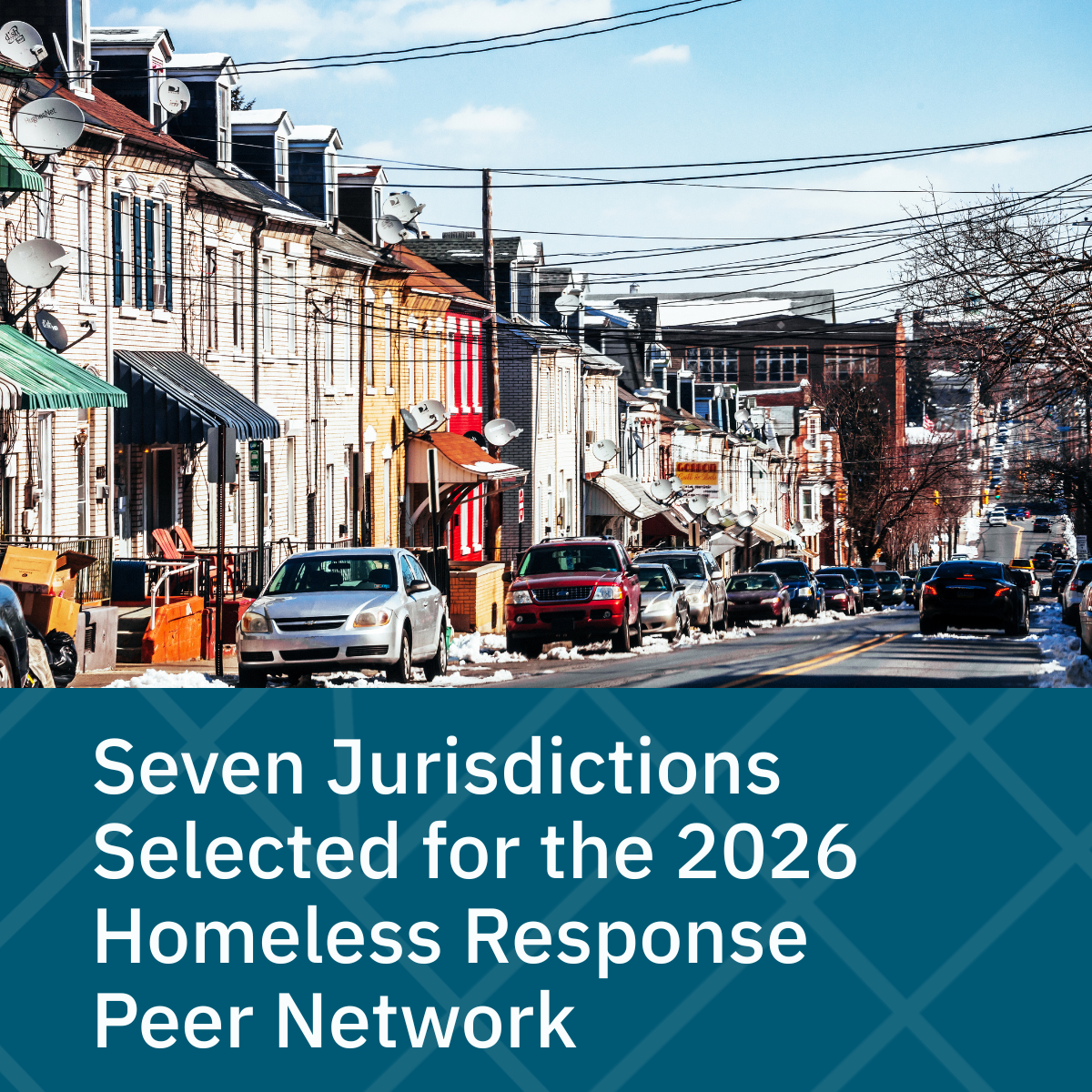
Ithaca and Tompkins County housing partners will spend the next six months comparing their homelessness response with six other communities through a national peer network, city officials announced Sept. 22.
The city was selected for the Housing Solutions Lab at New York University's Furman Center 2026 Homeless Response Peer Network. Monthly sessions are intended to help participants assess local systems, identify operational gaps, improve partnerships and develop ways to expand housing response capacity.

Seven communities will compare approaches
The other participating communities are Allentown, Pennsylvania; Biddeford, Maine; Columbia, Missouri; Jackson, Tennessee; Prince William County, Virginia; and South Bend, Indiana. The program is a peer-learning effort, not a grant award or a new housing unit commitment in the city's announcement.
Municipal leaders and housing partners from Ithaca and Tompkins County will work alongside those communities. The city said participants will examine how local governments, service providers and community organizations coordinate to prevent and respond to homelessness.
Mayor Robert Cantelmo said the network offers a chance to share Ithaca's experience and learn from places confronting similar challenges. He described stronger coordination among local governments and service organizations as part of the city's goal of making homelessness rare, brief and nonrecurring.
Liddy Bargar, director of housing initiatives for the Human Services Coalition of Tompkins County, said the regional partners expect to learn with other small cities as they plan their response. The announcement did not name specific policy changes, targets for reducing homelessness or a schedule for public decisions arising from the sessions.
Ithaca said it and its partners have invested in housing and homelessness services in recent years, but the release did not quantify those investments. The six-month network will give them a forum to test ideas and bring practices back for consideration in Ithaca and Tompkins County.
The immediate next step is participation in the monthly sessions. Any local program change or funding proposal would require a separate decision beyond this selection.

FingerLakes1.com is the region’s leading all-digital news publication. The company was founded in 1998 and has been keeping residents informed for more than two decades. Have a lead? Send it to news@fingerlakes1.com.