

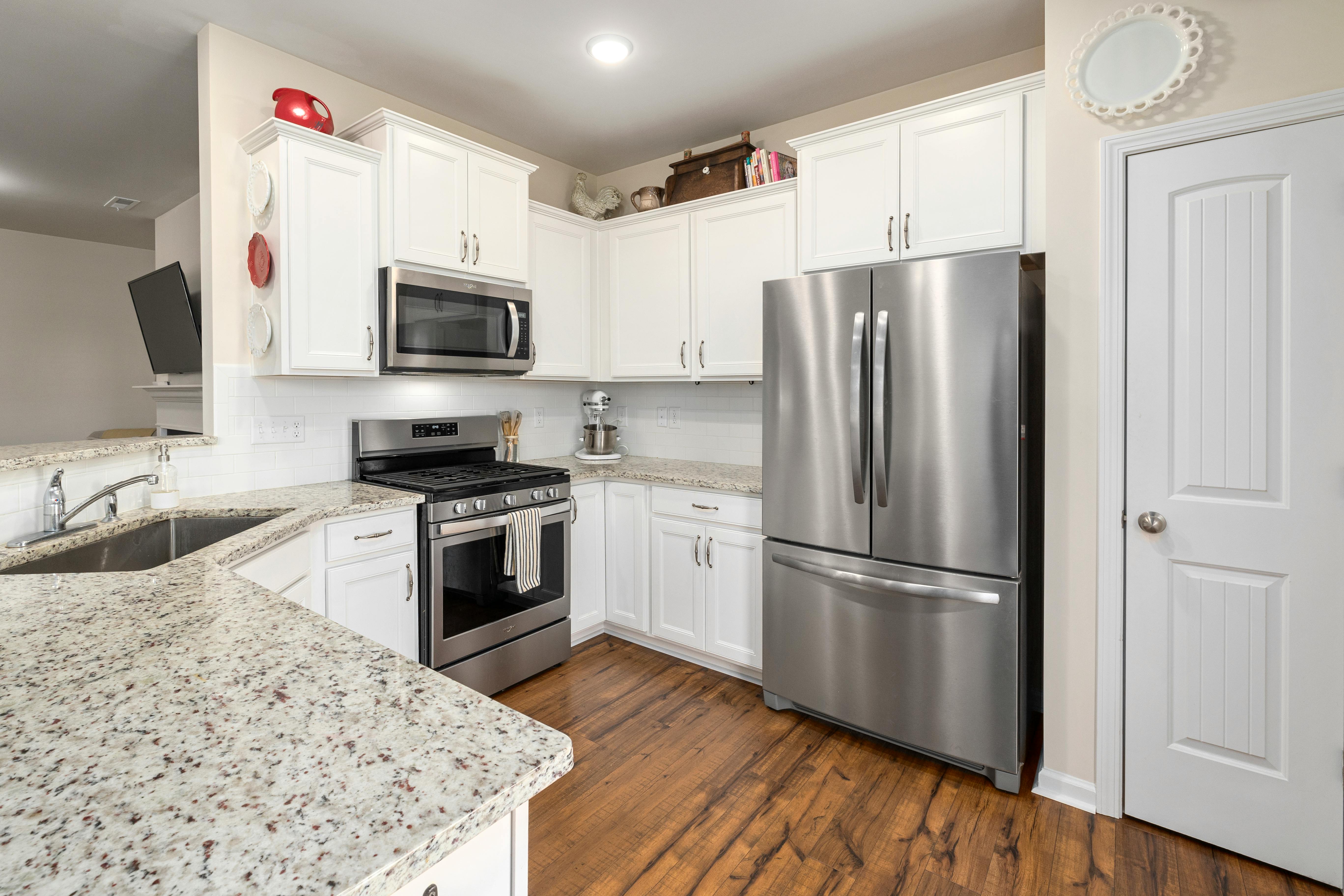
A kitchen has to do a lot these days. It is where dinner gets prepared, where people gather with a drink, where kids finish homework and, more often than not, where guests end up spending most of their time.
That can be difficult when the kitchen wasn’t designed with all of that in mind. Limited counter space, awkward storage and an island that looks nice but isn’t particularly useful can quickly become frustrating.
The good news is that making a kitchen more functional doesn’t always mean taking on a major renovation. Sometimes, a few changes to the way the space is organized and used can make a bigger difference than expected.
Start With the Way You Actually Use the Kitchen
Before changing anything, think about what happens in your kitchen on a normal day.
Do several people cook at the same time? Do you regularly have friends or family over? Is there enough room for someone to prepare food while another person is washing dishes? Are people constantly walking through the kitchen while you’re trying to cook?
These questions can tell you more about what the kitchen needs than a list of design trends.
For a household that cooks frequently and entertains often, having enough preparation space is usually a priority. Storage and seating matter too, but they need to work without getting in the way of the cooking itself.
Make the Island Work Harder
A kitchen island can be one of the most useful parts of the room, but only if it actually fits the way you use the space.
A well-planned kitchen island can provide additional preparation space, storage and somewhere for people to sit without completely separating them from whoever is cooking.
The surface itself matters. A durable worktop gives you somewhere to chop vegetables, prepare ingredients or set out food when guests arrive. If the island includes storage underneath, it can also keep frequently used cookware and serving pieces close at hand.
There is also a social benefit. When guests sit at the island, they can stay involved in the conversation without getting in the way of the person preparing dinner.
Keep Everyday Items Within Reach
A kitchen can have plenty of storage and still feel inconvenient.
The problem is often where things are stored rather than how much storage there is. Items you use every day should be easy to reach. There is little benefit in keeping your favorite pans, knives or serving dishes in a cabinet that requires moving five other things first.
Think about the routines you repeat most often and organize around them. Keep cooking utensils near the areas where you prepare food, store everyday dishes somewhere accessible and avoid using valuable counter space for things that could easily have a home elsewhere.
Small changes like these can make cooking feel much less chaotic.
Create Space for More Than One Person
If you entertain regularly, designing the kitchen around one person isn’t always practical.
You might be preparing a meal while someone else is making drinks, loading the dishwasher or helping with ingredients. If everyone has to work in the same small area, the kitchen can become crowded very quickly.
Try to create separate zones where possible. The main preparation area can stay focused on cooking, while drinks, serving pieces or snacks can have their own space.
Even something as simple as putting drinks and glasses in an easily accessible area can keep guests from gathering around the busiest part of the kitchen.
Don’t Forget About Seating
Good kitchen seating is about more than finding somewhere to put a few stools.
Think about how long people are likely to sit there and what they will be doing. A quick breakfast may only require a simple stool, while a family that spends hours talking around the island may want something more comfortable.
The amount of seating matters too. Trying to squeeze too many chairs around an island can make the space feel cramped and make it harder for people to move around.
Sometimes fewer seats actually make the kitchen more functional.
Give Yourself Enough Preparation Space
Counter space tends to disappear when you’re cooking a full meal.
Ingredients come out, cutting boards get used, dishes start piling up and suddenly there isn’t anywhere left to put anything. This is especially noticeable when you’re cooking for several people.
One way to avoid that problem is to think about preparation space separately from storage. An additional work surface, a small prep table or a movable cart can give you somewhere to work without permanently changing the kitchen.
It can also be useful when entertaining. A separate surface can become a place for appetizers, desserts or drinks, leaving the main counters free for cooking.
Make Cleaning Easier
Nobody wants to spend the entire evening cleaning while everyone else is enjoying themselves.
The layout of the kitchen can have a surprising effect on how easy cleanup becomes. Keep the dishwasher, sink and everyday dishes reasonably close together where possible. Make sure there is somewhere to put dirty dishes temporarily without taking over the main preparation area.
During a gathering, having a designated place for used glasses and plates can also help keep clutter under control.
The easier it is to clean as you go, the less work there will be waiting at the end of the night.
Leave Some Room to Breathe
It can be tempting to use every available inch of a kitchen, particularly when storage and counter space are limited. But a functional kitchen still needs enough open space for people to move around comfortably.
This becomes even more important when you’re entertaining.
An island that is too large can be just as inconvenient as one that is too small. Extra cabinets can create storage but make the room feel cramped. Before adding something, consider how it will affect movement through the space.
A kitchen should support the way people move through it, not force them to work around the furniture.
Function Doesn’t Have to Mean Boring
The most functional kitchens aren’t necessarily the most minimalist ones.
A few cookbooks on the counter, a wooden cutting board, favorite serving dishes or an open shelf with things you use regularly can make the room feel more personal without creating clutter.
The best setup is one that makes everyday cooking easier while still feeling like a place where people want to gather.
Whether you’re preparing dinner for the family or hosting a group of friends, a kitchen works best when the design supports what actually happens there. You don’t need every modern feature or a complete renovation. Sometimes making better use of the space you already have is enough to make cooking and entertaining feel considerably easier.

This content is brought to you by the FingerLakes1.com Team. Support our mission by visiting www.patreon.com/fl1 or learn how you send us your local content here.