

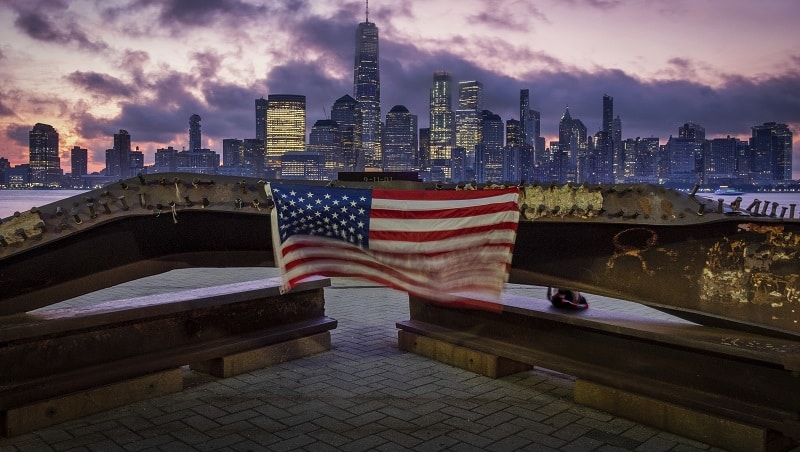
New York has extended several filing and eligibility deadlines for people who took part in World Trade Center rescue, recovery and cleanup work after the Sept. 11, 2001, attacks. Three new laws also preserve death and disability benefits for eligible National Guard members and extend protections for retirees with World Trade Center-related conditions.
Gov. Kathy Hochul signed the measures ahead of the 25th anniversary of the attacks. State officials said illnesses tied to exposure can emerge decades later, making additional time important for responders and surviving family members.

Workers get until 2030 to document participation
The first law, A.11531/S.10605, extends until Sept. 11, 2030, the deadline to submit documentation to state retirement systems showing participation in rescue, recovery and cleanup operations. It gives workers the same deadline to submit Form WTC-12 to the state Workers' Compensation Board.
Filing the form preserves a person's ability to seek workers' compensation later for an injury or illness tied to work performed from Sept. 11, 2001, through Sept. 11, 2002. State officials urged eligible people to file even if they are not currently sick or injured.
The filing provision applies to people who worked at Ground Zero, the Fresh Kills landfill, barges, piers and morgues connected to the response. The law also directs the Workers' Compensation Board to reconsider certain claims that were denied because of a deadline.
Those reviews cover workers who became disabled between Sept. 11, 2021, and Sept. 11, 2025. The deadline for filing new claims involving injuries or illnesses during that period is also extended to Sept. 11, 2030.
National Guard and retirement protections expanded
A second law, A.11538/S.10650, extends through Sept. 11, 2030, the deadline to seek World Trade Center death and disability benefits for qualifying New York National Guard members and their beneficiaries.
The benefit applies to Guard members activated for state duty on or after the attacks who took part in rescue, recovery or cleanup operations and later developed a qualifying World Trade Center condition.
The third measure, A.11213A/S.10085A, extends a presumptive eligibility period for certain retirement benefits involving World Trade Center-related injuries and illnesses. It allows some retiree deaths to be reclassified as qualifying accidental deaths when the person dies more than 25 years after retirement, extending the maximum period to 35 years.
Supporters said the changes recognize that cancers, respiratory diseases and other conditions linked to the World Trade Center site may take years to appear. Labor and public-safety organizations said fixed deadlines risked excluding responders whose illnesses were diagnosed later.
State Sen. Robert Jackson, who sponsored two of the measures, said the passage of time should not end New York's responsibility to the 9/11 community. Assemblymember Charles Fall said responders who worked at the site need additional time to preserve benefits as illnesses continue to surface.
Assemblymember Grace Lee said thousands of National Guard members assisted with rescue and recovery work at Ground Zero. Her measure continues protections for members whose service resulted in a qualifying condition and for the beneficiaries of members who died.
Assemblymember Stacey Pheffer Amato said extending the retirement presumption reflects the lasting effects of the attacks. Public employee and firefighter organizations also supported the package, citing members who continue to die from World Trade Center-related cancers and respiratory disease.
The laws affect filing rights and benefit eligibility but do not automatically approve an individual claim. Workers and families still must meet the applicable program requirements and submit required documentation to the retirement system, Workers' Compensation Board or other administering agency.
The state Workers' Compensation Board said it remains responsible for helping victims, responders and survivors obtain benefits. Information about the World Trade Center registry and assistance programs is available through the board.
The WTC-12 filing preserves a future right to claim benefits; it is separate from submitting a medical claim. The state said people who participated in eligible operations should document their service now even when they have no current diagnosis.
Hochul said the laws are intended to honor commitments to civilians and first responders whose lives were changed by the attacks. Lawmakers sponsoring the measures said the state should not place an expiration date on support for responders or their families.

FingerLakes1.com is the region’s leading all-digital news publication. The company was founded in 1998 and has been keeping residents informed for more than two decades. Have a lead? Send it to news@fingerlakes1.com.