

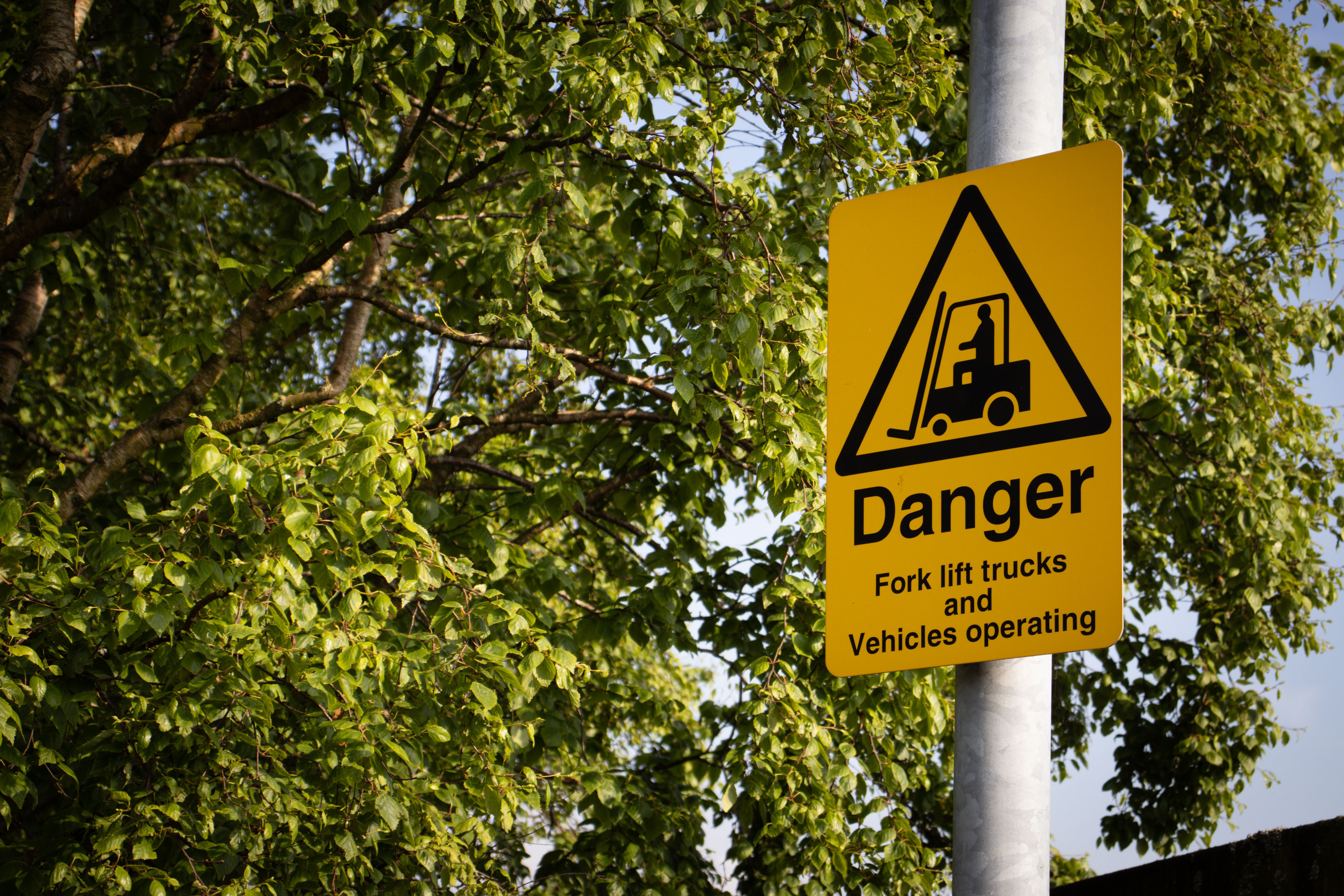
Work safety signs are supposed to reduce harm by telling people about hazards that may cause injury. When they do that job well, they contribute to a documented safety system that demonstrates due diligence under Australian WHS law. When they don’t, they create something worse than no sign at all. It results in a documented record that a hazard was known, a control measure was attempted, and it failed. Five mistakes produce that outcome consistently enough to be worth understanding before the next sign gets installed.
Installing Signs After an Incident
A sign installed at a location where someone was already hurt is a sign that documents exactly when the organisation became aware that the hazard needed controlling. It doesn’t erase the gap between when the hazard existed and when the control was implemented. It highlights it.
The post-incident sign communicates that the hazard was serious enough to warrant a warning but was only placed after the harm occurred. If we’re talking about liability, that sequence is more damaging than the absence of a sign, because it establishes foreseeability at the specific location before the control was in place. Work safety signs placed as part of a proactive hazard identification process occupy a different legal position entirely.
Using Generic Signs for Specific Hazards
A danger sign at the entry to a work area tells workers something dangerous exists somewhere inside it. It doesn’t tell them what the hazard is or what they need to do. A worker injured by a specific hazard in a generically signed area creates a straightforward liability question: was the hazard adequately communicated?
Generic signs satisfy a visual requirement without providing specific information. Meanwhile, specific signs identify the hazard precisely, indicate where it exists, and specify the required behavior. The difference is that one invites challenge at the point when a claim needs to be defended, and the other is a defensible communication record.
Neglecting Sign Maintenance
A sign installed correctly and left without a maintenance schedule degrades in ways that are invisible until an incident makes them relevant. Faded text, partial obscurement by equipment or vegetation, and inaccuracy caused by changes to the work environment around it all reduce the sign’s ability to communicate the hazard it was installed to address.
At that point, the sign is warning everyone about the hazard. That distinction matters when a claim investigation launches to know whether warnings were adequately communicated. Although present, an unreadable sign is harder to defend than a maintenance record that shows the sign was regularly replaced when the conditions required it.
Ignoring Literacy and Language in the Workforce
A text-based sign communicates to workers who read the language it’s written in at the literacy level it assumes. It doesn’t communicate to workers for whom either of those conditions isn’t met. An incident involving a worker who couldn’t interpret the sign’s message creates liability questions about whether the signage system was appropriate for the actual workforce.
Workplaces with employees using different languages need signage that communicates through symbols and pictograms. If an alert was only understood by some, then it failed to fully communicate the dangers. That is where the liability exposure lies.
Placing Signs Where They’re Visible but Not Where They’re Useful
A sign visible from the main access point doesn’t communicate to workers entering from another direction, workers already in the area when conditions change, or workers whose sightline to the sign is blocked by equipment or activity during the specific operational conditions that produce the hazard.
Placement decisions made for visibility under ideal conditions produce signs that appear in safety documentation and fail in practice. The sign that’s useful is the one positioned for the actual movement patterns, actual sight lines, and actual operational conditions of the specific work environment, assessed during the conditions that produce the hazard rather than during the quiet moment when someone walked the space to decide where to put it.

This content is brought to you by the FingerLakes1.com Team. Support our mission by visiting www.patreon.com/fl1 or learn how you send us your local content here.