


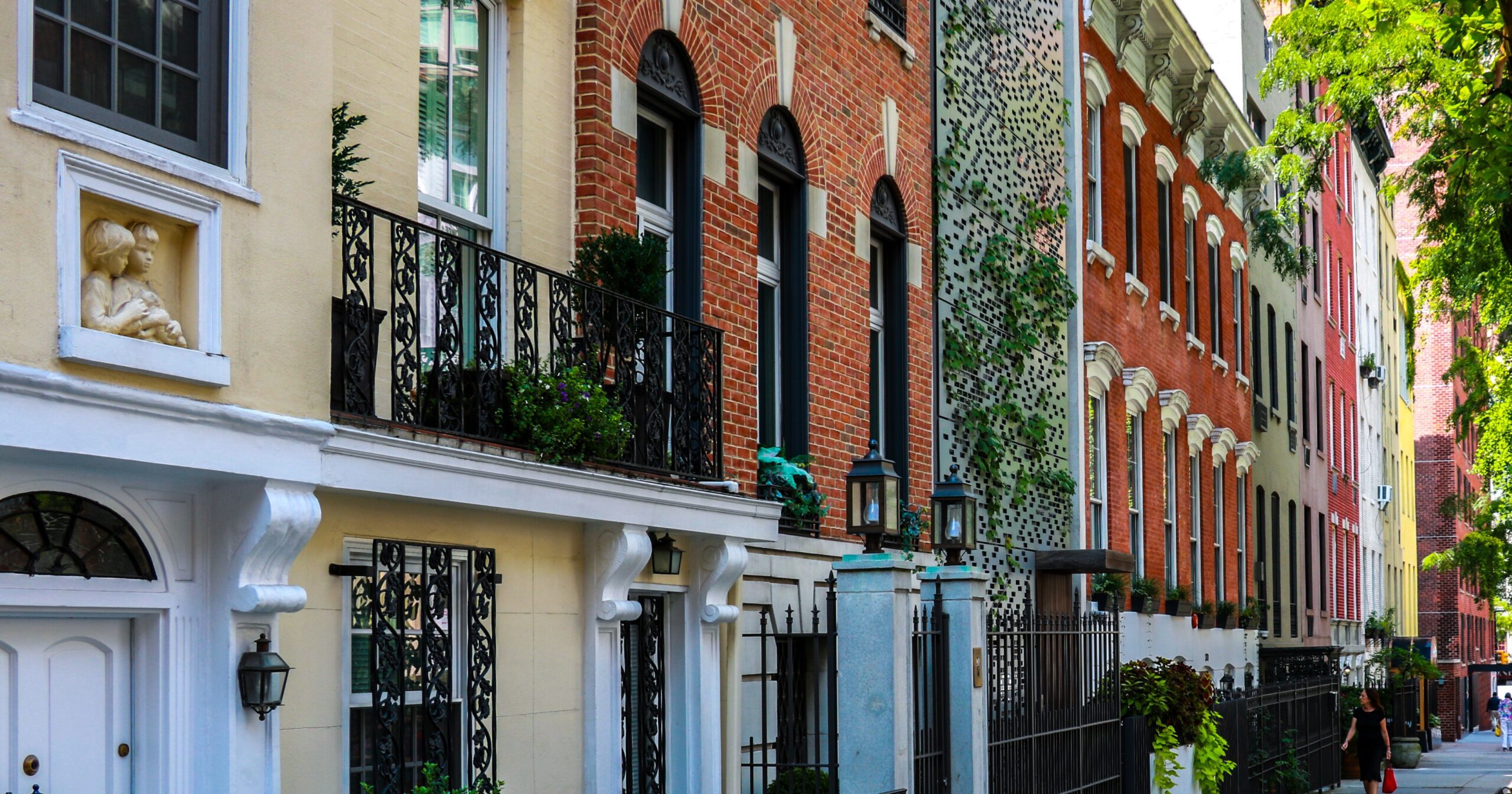
Gov. Kathy Hochul is proposing a pied-à-terre tax for New York City. It would tax second homes in the city valued at $5 million or more.
Advocates and Mayor Zohran Mamdani pointed out the tax would only net $500 million as the city faces a more than $5 billion deficit.
Brahvan Ranga, campaign manager for the group Invest in Our New York, said the tax is a start but it does not do enough for the state.
“It does not include a penny for the rest of the state,” Ranga pointed out. “It does not meet the needs of the moment when you have billions of dollars in lost federal funding, a million New Yorkers that are going to lose their health insurance, 200-,000 New Yorkers that are going to lose their SNAP benefits.”

Hochul has been adamant about not raising or implementing new taxes this year. However, city and state lawmakers included various tax increases on ultra-wealthy residents and corporations in their proposed budgets. It is uncertain if they will become part of the state’s final budget, which is now 20 days late.
Before implementing the pied-à-terre tax, Hochul proposed using part of the state’s $14 billion budget reserve for revenues. Data show it could buoy state finances. A Fiscal Policy Institute report found the taxes would bring many of Hochul and Mamdani’s affordability proposals to fruition. Ranga added the taxes could help offset billions of dollars in federal cuts.
“Four hundred and fifty thousand New Yorkers got notices in the mail last week that they were going to lose their essential plan coverage,” Ranga noted. “Another 500,000 New Yorkers are going to lose their health care in the next year. Safety net hospitals like Lincoln Hospital in the Bronx are going to face severe staffing reductions.”
While taxing the rich gains support statewide, reports show fewer millionaires live in the state and some use certain financial tricks to avoid being considered residents by the Department of Taxation and Finance. Other data from the Fiscal Policy Institute showed the state’s working-class population is moving away due to affordability challenges.

Edwin is a reporter and producer in North Tonawanda, New York. He’s previously reported for the Niagara Gazette and the Ithaca Times. Edwin got an early start in radio interning for WBFO-88.7FM, NPR’s Buffalo affiliate. In 2018, he graduated from SUNY Buffalo State College with a B.A. in Journalism, and in 2022, graduated from Syracuse University with an M.S. in Communications.