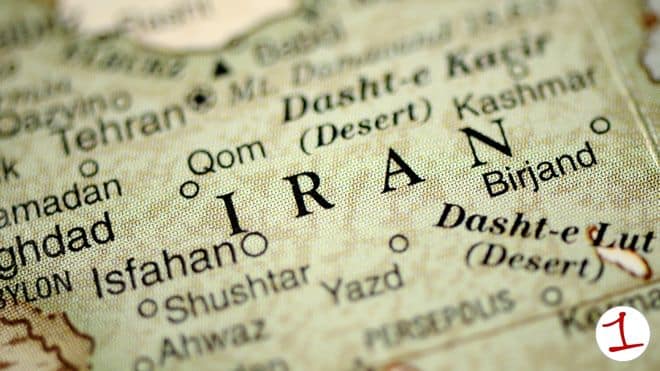
Iran war tensions are adding new pressure to an already strained U.S. economy. Rising oil prices, higher borrowing costs, and stubborn inflation are making everyday expenses harder to manage. Economists warn Americans should not expect immediate relief from the Federal Reserve.
Oil prices surge as conflict intensifies
The conflict in the Middle East has pushed energy prices sharply higher.
Brent crude oil briefly reached $100 per barrel again during recent trading. Gasoline prices followed quickly.
According to AAA data:
- The national average gas price climbed to $3.59 per gallon
- Prices jumped 22% in one month
Energy costs often ripple through the entire economy.
Higher fuel prices raise costs for transportation, food shipments, air travel, and utilities.
Inflation pressures build across the economy
Before the conflict escalated, inflation had begun to stabilize.
The Consumer Price Index rose 2.4% year over year in February, according to federal data.
However, economists say the Iran war could reverse that trend.
Rising energy costs may push up prices for:
- Shipping and logistics
- Airline tickets
- Manufacturing
- Household utilities
Those increases can spread through the economy within months.
Why the Federal Reserve may not cut rates soon
The Federal Reserve faces a difficult balancing act.
Officials must control inflation while protecting the job market.
Experts say the war complicates both goals.
Markets currently expect the Fed to hold interest rates steady in upcoming meetings.
Analysts say rate cuts are unlikely until policymakers see clearer economic signals.
Financial experts warn consumers should not expect quick relief.

Higher mortgage and borrowing costs
Rising energy prices are also pushing up government bond yields.
The 10-year Treasury yield recently climbed to about 4.17%.
That benchmark strongly influences mortgage rates.
As yields rise, borrowing costs often increase for:
- Home loans
- Credit cards
- Auto loans
- Personal loans
This trend could make housing and other large purchases more expensive.
The ‘rockets and feathers’ effect on gas prices
Even if oil prices eventually fall, gas prices may drop slowly.
Economists call this the “rockets and feathers” effect.
Prices often:
- Rise quickly like a rocket when oil spikes
- Fall slowly like a feather when oil declines
Fuel distributors may still sell gasoline purchased at higher wholesale prices.
That delays relief at the pump.
Affordability pressures already hitting households
Even before the conflict escalated, many Americans struggled with rising costs.
Recent labor data showed:
- Job losses in February
- The unemployment rate rising to 4.4%
Combined with higher living costs, these trends are creating a growing affordability squeeze.
Economists say the situation could remain uncertain for months.
What happens next for the economy
Federal Reserve officials will meet soon to review interest rate policy.
For now, markets expect the central bank to keep rates unchanged.
Economists say policymakers will likely wait for more data on inflation, employment, and global developments.
Until then, many households may continue to feel pressure from rising living costs.

This content is brought to you by the FingerLakes1.com Team. Support our mission by visiting www.patreon.com/fl1 or learn how you send us your local content here.