


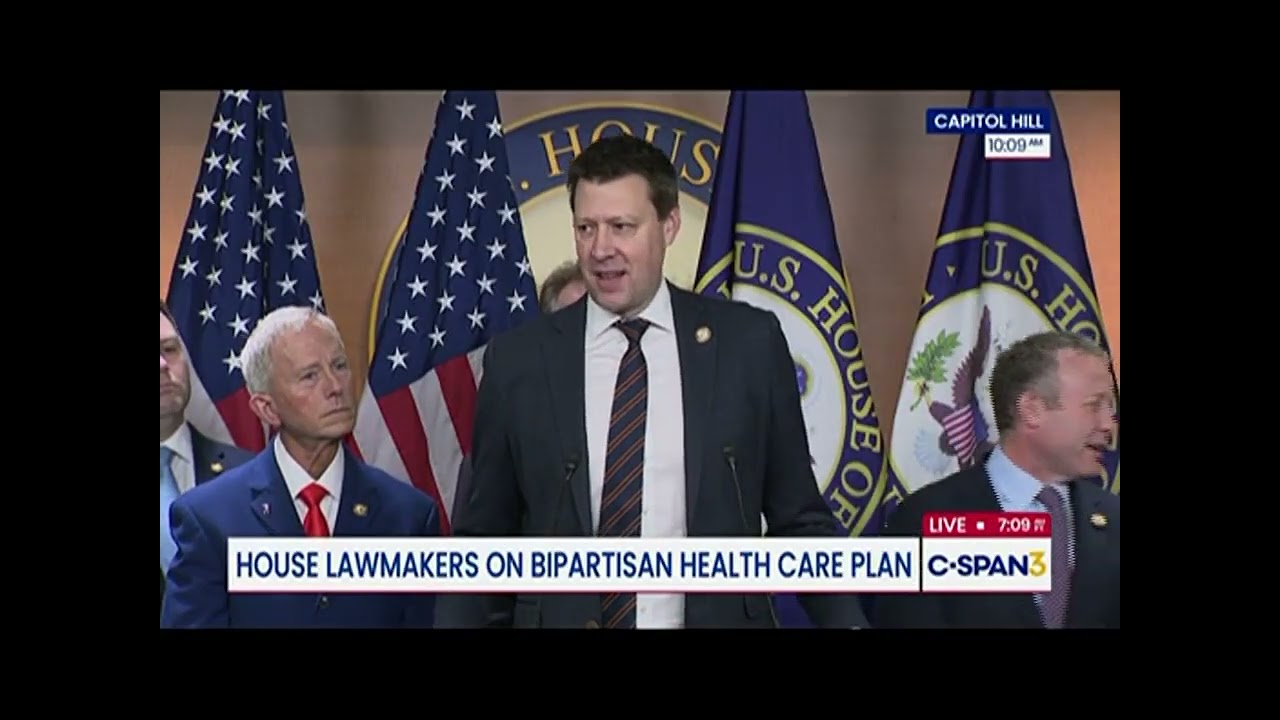
A new bipartisan proposal from Rep. Josh Riley aims to stop looming healthcare premium hikes and protect coverage for families across Upstate New York.
The plan, called CommonGround2025, would extend key federal health insurance tax credits set to expire at the end of the year — a change that could otherwise push millions off their insurance and raise monthly costs for many.

What’s at stake
The Affordable Care Act’s enhanced Premium Tax Credits (ePTCs) are set to expire on December 31. These credits help millions afford insurance through the ACA marketplace — and fund New York’s Essential Plan, which offers no-cost coverage to low- and middle-income residents.
Without action, families could see premiums jump by thousands. According to reporting cited in Riley’s release, some Upstate families could face hikes of over $10,000 a year. Hundreds of thousands may lose coverage entirely.
“This is a straightforward, bipartisan plan to restore affordable healthcare,” Riley said in the announcement. “I’m urging Speaker Johnson to bring it to the House floor before the December recess so families enter the new year with certainty, not fear about losing the care they depend on.”
What CommonGround2025 does
Riley’s proposal would:
- Extend the ACA’s enhanced Premium Tax Credits for two more years
- Keep open enrollment running through March 19, 2026
- Add new fraud protections to the ACA marketplace
Lawmakers are urging congressional leaders to bring the bill to a vote before the December 18 recess.
Building on earlier efforts
The proposal is part of Riley’s broader push to protect healthcare access across Upstate New York. His recent actions include:
- Supporting a bill to boost payments for rural hospitals in April
- Requesting $55 million for rural health and infrastructure projects in May
- Co-sponsoring a rural hospital emergency support bill in August
- Opposing the Republican-led H.R. 1 in July, which slashed Medicaid and put rural hospitals at risk
- Demanding answers from major insurers in November for pulling Medicare Advantage plans from rural areas
If Congress fails to act before the deadline, Riley warned, Upstate families could face both rising premiums and shrinking options for care.

FingerLakes1.com is the region’s leading all-digital news publication. The company was founded in 1998 and has been keeping residents informed for more than two decades. Have a lead? Send it to news@fingerlakes1.com.