A major data update from a prison watchdog group is pulling back the curtain on how New York runs its state prisons — and where it’s falling short.
The Correctional Association of New York just upgraded its interactive map of state prisons, adding new details about where security cameras are installed, which facilities are understaffed, and how full each prison actually is. It’s the only tool of its kind that lets the public compare staffing levels, population numbers, and surveillance coverage by facility.

Staffing shortages and empty beds
The data paints a stark picture of how unevenly the system is operating.
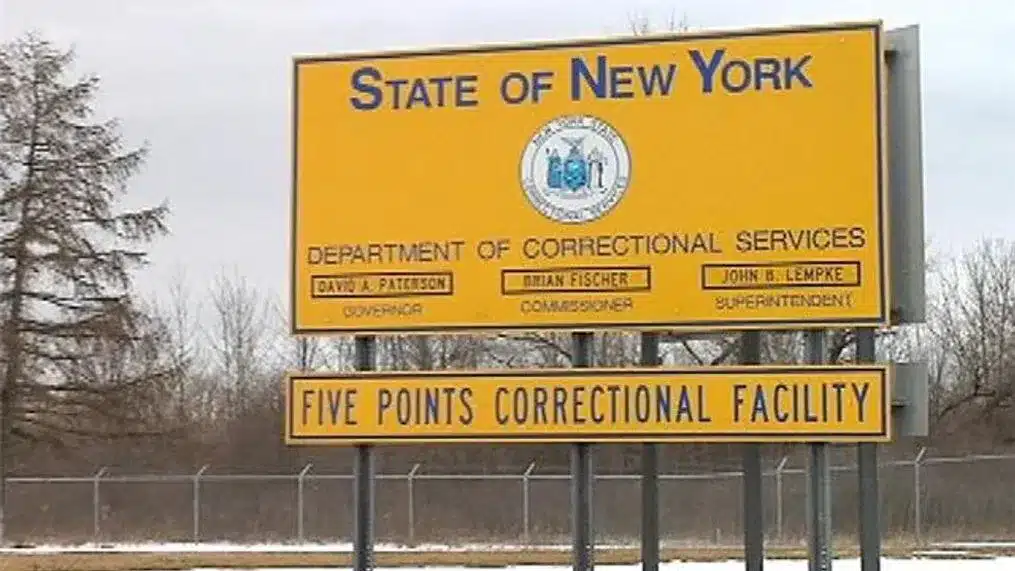
As of April, five state prisons had staffing vacancies above 44%, with Upstate Correctional Facility topping the list at 53% short. Cayuga, Bare Hill, Lakeview, and Five Points followed close behind. These staffing shortages raise questions about safety and operations, especially when paired with the next data point: how many beds sit empty.
Statewide, New York’s prison population has dropped by more than a third over the past decade — from 51,890 in 2015 to 32,971 this October. That decline means many facilities are running well below capacity. Lakeview, for example, is operating at just 43% of its 720 beds. Bare Hill, Taconic, Albion, and Hale Creek also report usage under 60%.
Slow rollout for stationary cameras
Security upgrades are another key focus of the map. The Department of Corrections and Community Supervision (DOCCS) is in the middle of installing stationary surveillance cameras in facilities across the state — a process boosted by a $400 million funding increase in the latest state budget.
Still, progress is slow. As of October, only 16 out of 42 prisons had either finished or begun construction on a full camera system. The other 26 hadn’t started yet.
Body cameras tell a different story. According to state records shared with CANY, nearly every facility now has staff using body-worn cameras. Only one prison has yet to implement them.
Why this data matters
“This data, which is essential for understanding the highest and best use of state resources, is not otherwise publicly available,” said Jennifer Scaife, executive director of CANY.
The group’s goal is to make key prison information easier to access — for lawmakers, families, and the general public. The map includes data from multiple time points in 2024 and 2025 and was built using information obtained through public records requests.
Founded in 1844, CANY is one of the country’s oldest prison oversight groups. It has a state mandate to monitor conditions in New York prisons and regularly visits facilities to gather first-hand data.
Explore the interactive map here: www.correctionalassociation.org/prison-map

FingerLakes1.com is the region’s leading all-digital news publication. The company was founded in 1998 and has been keeping residents informed for more than two decades. Have a lead? Send it to news@fingerlakes1.com.