

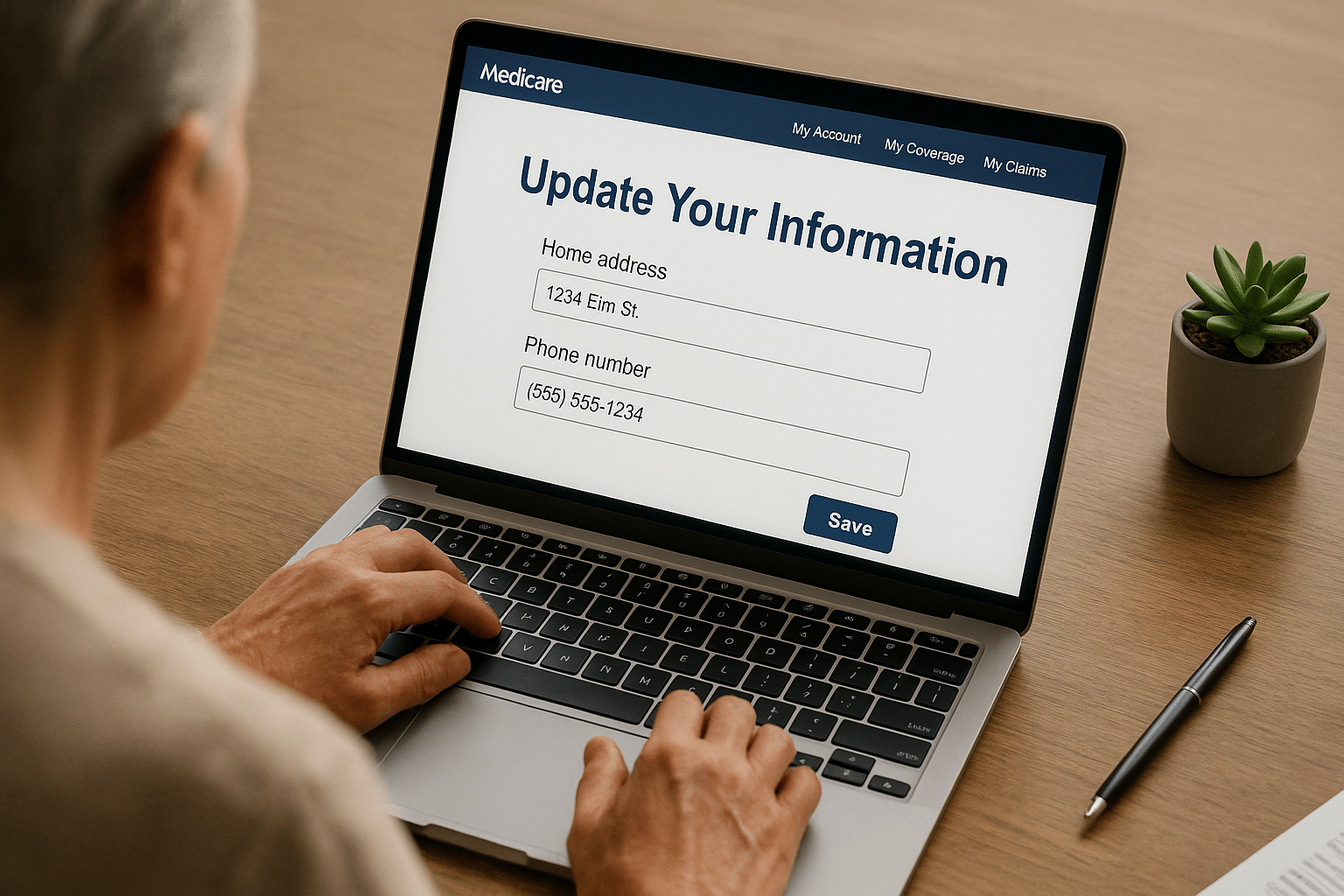
With the fall enrollment season underway, scammers are going after people who depend on Medicare and SNAP. Officials in Wisconsin and across the U.S. say fraudsters are using phone calls, fake apps, and card-skimming devices to steal sensitive information and benefits.
Medicare scams ramp up during open enrollment
Medicare’s open enrollment period starts October 15—and that’s when scam activity spikes.
Here’s what scammers are doing:
- Posing as Medicare agents or healthcare providers
- Offering “new” or “replacement” Medicare cards
- Asking for Medicare numbers or personal details over the phone
Officials say Medicare will never call you unsolicited.
“If someone reaches out claiming to be from Medicare and asks for your number, hang up,” said Michelle Reinen of Wisconsin’s Division of Trade and Consumer Protection. “Only share personal info when you initiate the call to a verified number.”
To get accurate Medicare help, use trusted sources:
SNAP scams now include a fake app
There’s a new twist in SNAP fraud: a fake app targeting low-income users.
Scammers promote this fraudulent app to manage SNAP benefits but charge users either a monthly fee ($4.99) or a one-time fee up to $60. The official SNAP app, ebtEDGE, is always free to download and use.
The legitimate app has a black, white, and yellow egg-shaped logo and comes directly from your state’s SNAP program.
“If you’re being asked to pay for an app to check your SNAP balance or benefits, that’s a red flag,” said Reinen. “Report it immediately to your state’s Department of Health Services.”
Other SNAP scams to know
Scammers also steal SNAP benefits through:
- Card skimming: devices placed on real EBT card readers
- Card cloning: copying your card’s info to create a duplicate
- Phishing: fake messages asking for login details or card numbers
The U.S. Department of Agriculture (USDA) warns that SNAP fraud has become more sophisticated and widespread. They’re working with state agencies to roll out chip-enabled EBT cards and better fraud detection tools.
If you suspect fraud, report it:
- Call: (800) 424-9121
- Write: USDA Office of Inspector General, PO Box 23399, Washington, DC 20026-3399
- File a report online at USDA OIG
What to watch for
Here’s how to avoid falling for scams targeting Medicare or SNAP:
For Medicare users
- Don’t trust calls offering new cards or extra benefits
- Don’t give your Medicare number over the phone
- Only use medicare.gov or trusted partners
For SNAP users
- Don’t download unofficial apps
- Don’t share your EBT PIN with anyone
- Check your card activity often
- Use the official ebtEDGE app or your state’s website
Why scammers target benefit programs
Government programs like Medicare and SNAP serve millions of Americans. Scammers target these groups because:
- They know when enrollment periods occur
- Many recipients are seniors or low-income individuals who may trust official-sounding messages
- Benefits can be quickly stolen and laundered through digital tools or fake retailers
The Wisconsin Department of Agriculture, Trade and Consumer Protection (DATCP) says the best defense is awareness. “When in doubt, pause, verify, and report,” said Reinen.
Bottom line
If you get an unexpected call about your Medicare or SNAP benefits—assume it’s a scam. Use only trusted government websites and official apps. Never share personal information unless you made the call.

This content is brought to you by the FingerLakes1.com Team. Support our mission by visiting www.patreon.com/fl1 or learn how you send us your local content here.