

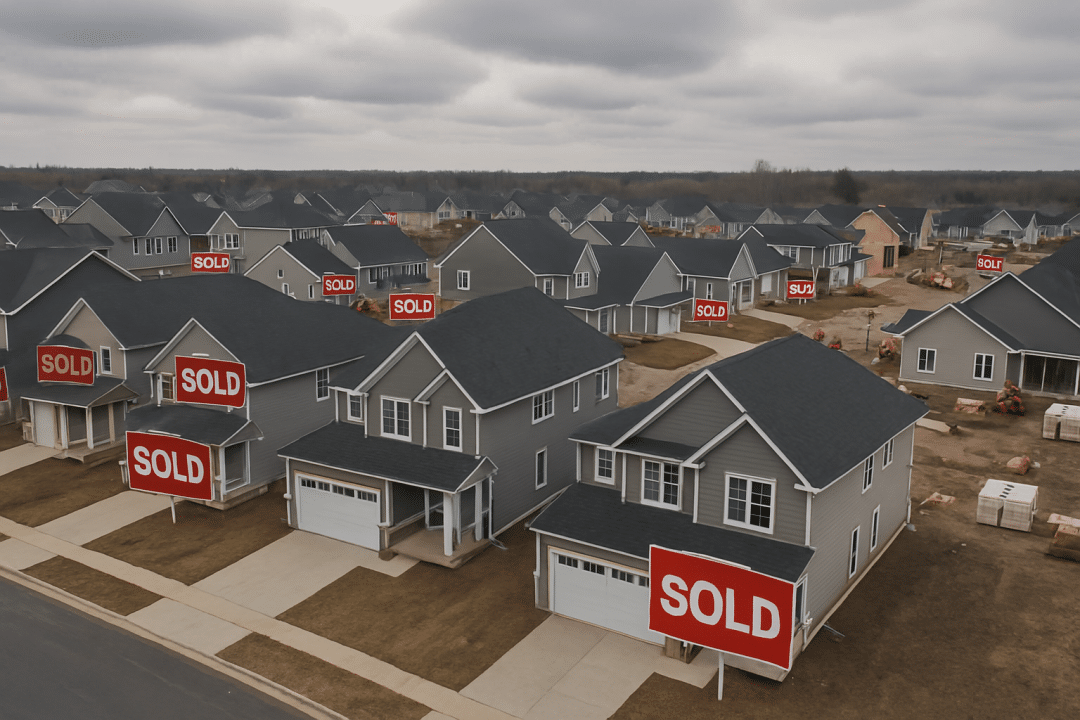
The U.S. housing market is rebounding as mortgage rates fall and buyer demand spikes to its highest level in over three years. New loan applications surged last week, while housing wealth continues to climb—especially in the Northeast.
Home loan demand hits 3-year high
According to the Mortgage Bankers Association, mortgage applications jumped 9.2% for the week ending September 5—the strongest week for homebuyer activity since 2022.
Key stats:
- Purchase applications: +7% week-over-week
- Refinance applications: +12%, up 34% from a year ago
- Refi share of mortgage activity: 48.8%
- ARM (adjustable-rate mortgage) activity: 9.2% of applications
Joel Kan, MBA’s deputy chief economist, said the data reflects “the strongest borrower demand since 2022,” driven by declining interest rates and softer labor market signals.
Mortgage rates decline for second straight week
Falling Treasury yields are pushing mortgage rates to an 11-month low. According to Freddie Mac, the average 30-year fixed mortgage rate dropped to 6.5%, down from 6.56% the week prior.
Breakdown by loan type:
- 30-year conforming loan: 6.49%
- 30-year jumbo loan: 6.58%
- FHA loan: 6.31%
- 15-year fixed: 5.84%
- 5/1 ARM: 5.9%
Experts say rates are likely to stay volatile heading into the fall, depending on Federal Reserve moves and inflation trends.
U.S. housing market value hits record $55.1 trillion
New Zillow data shows the total value of U.S. housing hit a record $55.1 trillion as of June 2025—a $20 trillion gain since 2020. However, growth has slowed over the past year.
Regional shifts:
- Top gains: New York (+$216B), New Jersey (+$101B), Illinois (+$89B), Pennsylvania (+$73B)
- Biggest losses: Florida (-$109B), California (-$106B), Texas (-$32B)
While pandemic boomtowns cool, the Northeast and Midwest are driving fresh growth in housing wealth. Smaller metros and newly built homes are also playing a bigger role in propping up the market.
New construction still reshaping the market
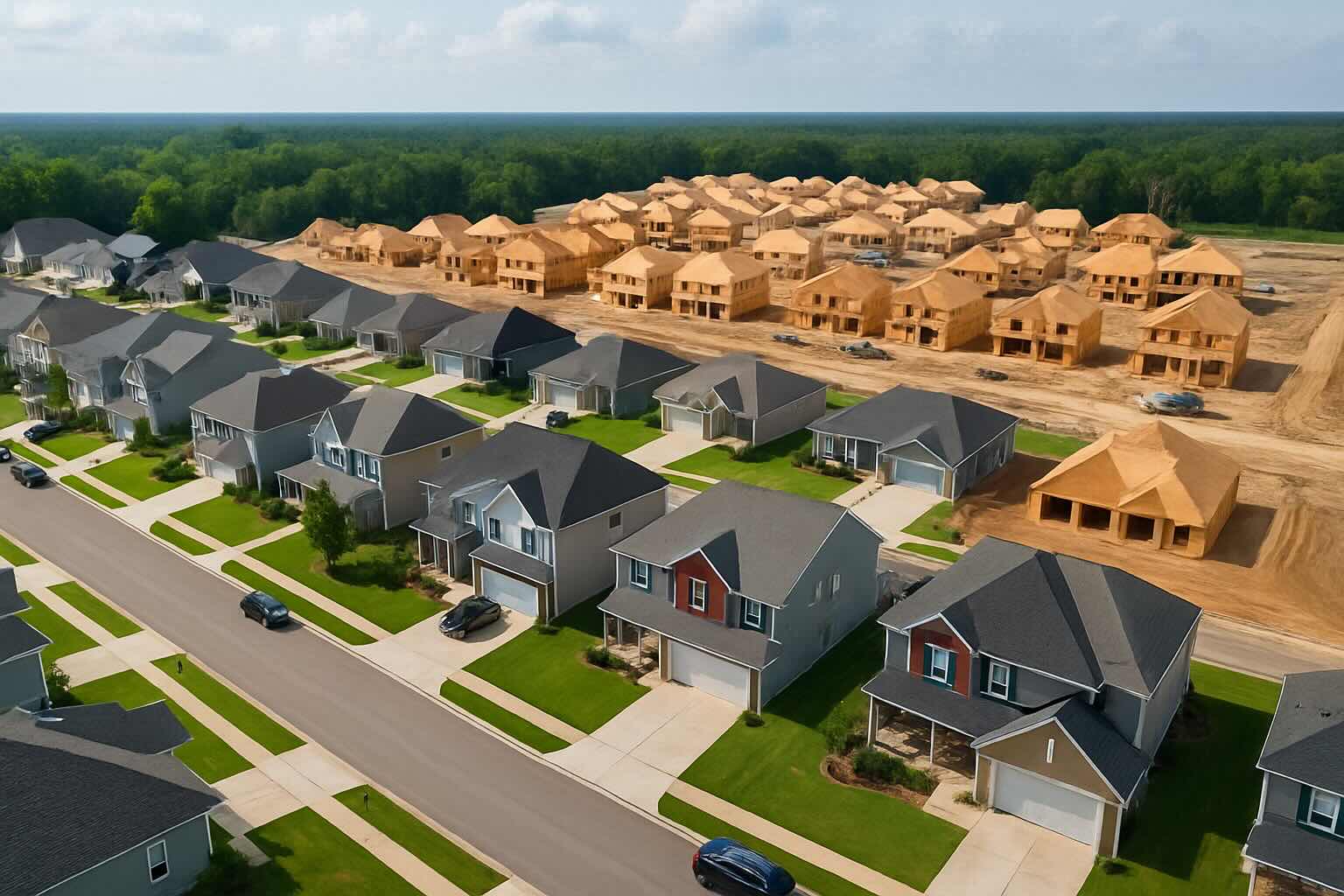
New homes have contributed $2.5 trillion in value since 2020, or 12.5% of the total increase in housing wealth. States like Utah, Texas, Idaho, and Florida saw the biggest share of growth from new construction—up to 23%.
Sun Belt states that built rapidly during the pandemic are now showing signs of price correction and improved affordability, helping buyers regain a foothold.
What it means for buyers and sellers
- Buyers: Now may be a smart time to lock in a mortgage before rates potentially climb again
- Sellers: Strong demand and rising home values—especially in the Northeast—offer favorable conditions
- Investors: Regional shifts suggest new opportunities outside the biggest metro areas
Even as national housing value growth slows, the fundamentals suggest the market is rebalancing—not retreating.

This content is brought to you by the FingerLakes1.com Team. Support our mission by visiting www.patreon.com/fl1 or learn how you send us your local content here.