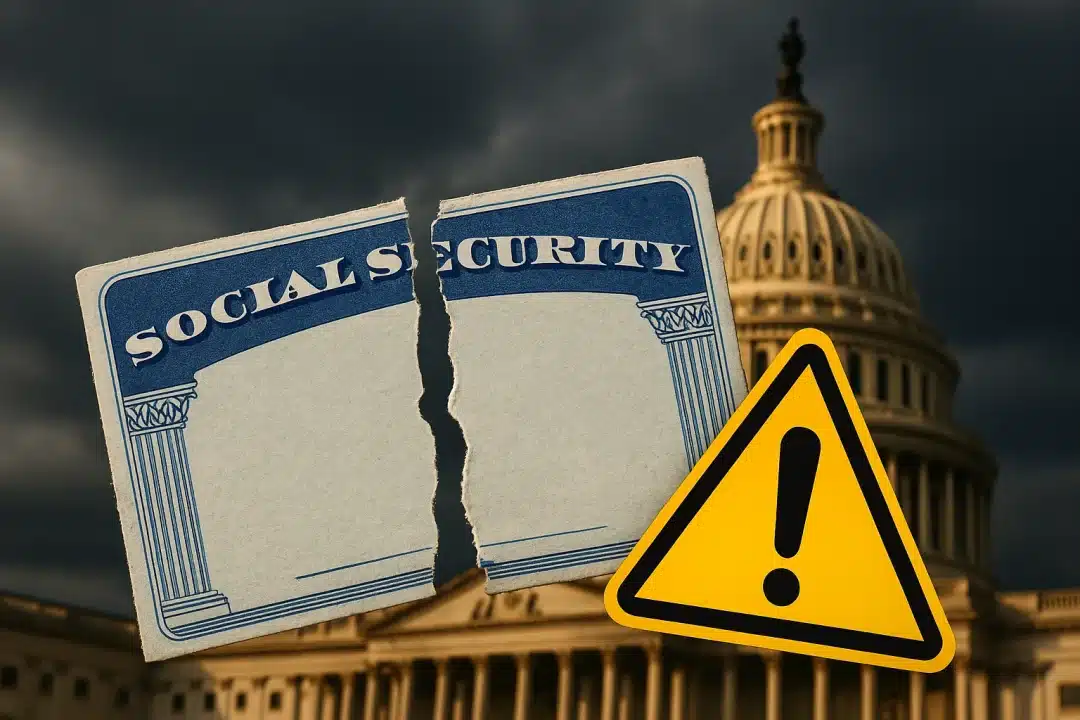
A growing number of Social Security recipients were shocked this July to find their checks slashed by as much as 50%—and for many, it wasn’t due to a change in eligibility or retirement status.
Instead, these steep reductions stem from aggressive efforts by the Social Security Administration (SSA) to claw back years-old overpayments—a controversial practice now impacting millions of Americans.
Why Are Social Security Checks Being Reduced?
The SSA is ramping up its recovery efforts after revealing that it overpaid roughly $23 billion in benefits last year alone.
Rather than absorbing the losses or pursuing systemic reforms, the agency has increasingly opted to recoup the money by slashing beneficiaries’ monthly checks—sometimes without warning.
In many cases, recipients unknowingly received more money than they were entitled to, often due to administrative errors or changes in income or living arrangements that went unreported or unnoticed by SSA systems.
“They told me I owed thousands of dollars because of an overpayment from years ago,” said one Alabama retiree whose monthly check was cut nearly in half. “I had no idea. I thought I was following the rules.”
How Much Are the Cuts?
Reductions vary widely based on individual cases. However, according to the SSA, monthly benefit reductions can reach up to 100% if a repayment agreement isn’t arranged in time.
For many affected recipients, that means checks in July 2025 were hundreds—or even thousands—of dollars smaller.
Typical monthly Social Security retirement payments include:

- $1,900 – Average monthly benefit
- $3,822 – Maximum monthly benefit for someone retiring at full retirement age
- $5,108 – Maximum monthly benefit for those delaying retirement to age 70
But for recipients facing collection actions due to past overpayments, their actual payment may be cut by 15%, 30%, or even 50% until the debt is repaid.

Who’s Most at Risk?
Certain groups are more likely to experience reductions:
- SSDI recipients with variable income or part-time work
- Retirees receiving both Social Security and other income-based benefits
- Low-income seniors who previously qualified for higher payments due to eligibility miscalculations
- Recipients who moved, married, or changed bank accounts without fully updating the SSA
Many impacted individuals say they received little or no notice before their benefits were docked, raising alarms about transparency and fairness.
What Can You Do If Your Check Was Cut?
If you’ve experienced a sudden reduction in your Social Security payment:
- Check your SSA letters or online account for notices about overpayments
- Contact the SSA immediately to request a full explanation or appeal the decision
- Request a repayment plan to spread the debt over time and reduce the immediate impact
- Seek hardship waivers if repayment would cause severe financial distress
You can reach the SSA at 1-800-772-1213 or visit ssa.gov.
Advocates and Lawmakers Respond
The aggressive collection strategy has sparked backlash from elder advocacy groups and lawmakers, especially as many affected seniors live on fixed incomes. There are now calls in Congress for legislation that would:
- Cap the amount that can be withheld monthly
- Improve communication and due process for beneficiaries
- Forgive older debts where SSA fault is clear or hardship is demonstrated
Earlier this year, our reporting highlighted that tens of thousands of Americans would receive smaller checks in July—now we’re seeing the real-world impact.
Final Thoughts: Stay Proactive
If you’re receiving Social Security and concerned about unexpected payment cuts:
- Review your records
- Update your status with the SSA regularly
- Watch for official letters or notifications
Stay informed and plan ahead. Social Security remains a lifeline for over 71 million Americans — knowing your payment dates and any upcoming changes is key to staying financially secure.
If you’re unsure about your benefits or need personalized guidance, visit SSA.gov or call 1-800-772-1213.
📌 RELATED READS:
- July 2025 Social Security Payment Schedule and Guide
- How Much Social Security Will You Get in 2026? COLA Predictions & More
- How to Enroll in Social Security Benefits: A Step-by-Step Guide
- Social Security Cuts: What Trump’s Plan Could Mean for Retirees

This content is brought to you by the FingerLakes1.com Team. Support our mission by visiting www.patreon.com/fl1 or learn how you send us your local content here.