


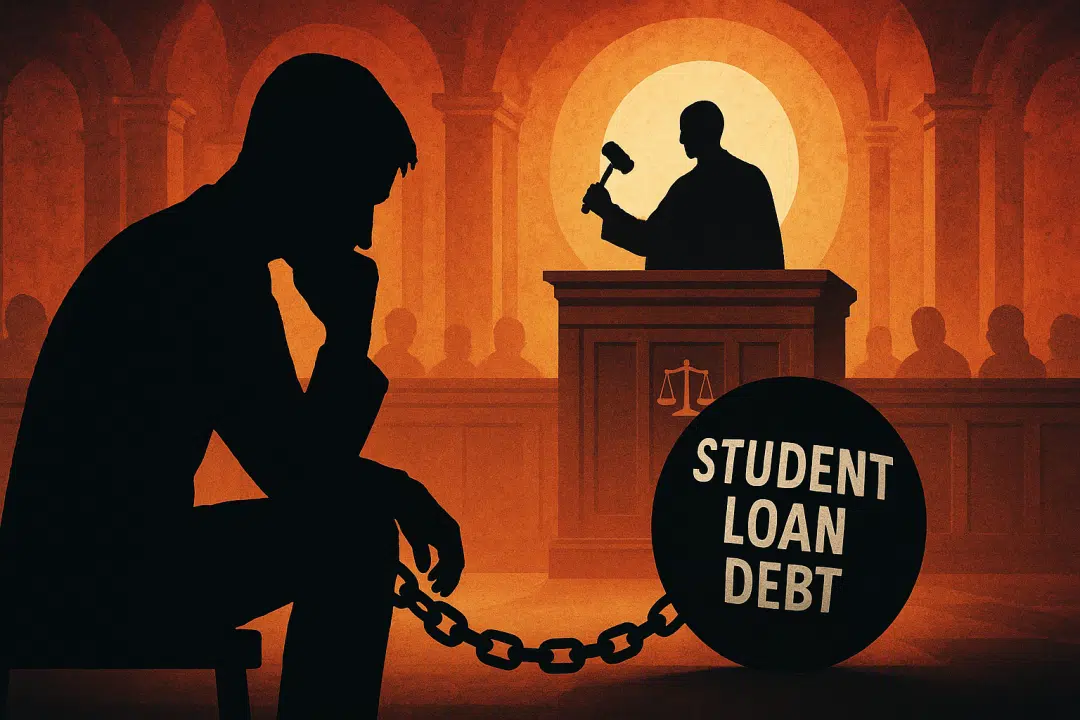
A new national survey finds that U.S. adults continue to value higher education, but student loan debt and financial concerns remain significant barriers to enrollment and completion.
The 2025 Lumina Foundation-Gallup State of Higher Education Study shows that 57% of unenrolled adults have considered pursuing a degree or credential in the past two years. While interest is steady, many are held back by cost, mental health challenges and lingering distrust in college affordability.
Millions still consider college, but barriers persist
The study, conducted in late 2024 among nearly 14,000 adults aged 18 to 59, reveals strong interest across demographics. Adults who previously enrolled in a program are nearly twice as likely (68%) to consider returning compared to those who never enrolled (38%).
Key findings include:
- Adults aged 35 or younger show the highest prospective enrollment rates.
- Men are more likely than women to consider enrolling (61% vs. 52%).
- White adults are least likely to consider higher education (52%) compared to Black and Hispanic adults.
Despite this, enrollment has rebounded to near pre-pandemic levels, with undergraduate numbers climbing 4.7% last fall, approaching 16 million students. Community colleges and certificate programs are seeing particularly strong gains.
Interest in degrees rising—but so is debt pressure
Interest in traditional degree paths has grown:
- 24% of unenrolled adults have considered an associate degree
- 18% have considered a bachelor’s degree
- 22% are considering a certificate program
Certificate program enrollment has grown nearly 28.5% above 2019 levels, highlighting the appeal of short-term, career-focused education. But while demand rises, financial strain remains a top concern.
Recent Gallup data shows:
- Nearly 1 in 3 college students have considered leaving their programs.
- Emotional stress, mental health and cost are top reasons cited.
- Many students believe four-year institutions do not charge fair prices, despite seeing college as a worthwhile investment long-term.
The student loan crisis overshadows enrollment recovery
The ongoing student loan crisis continues to impact how Americans view higher education. Although prospective students see value in earning a degree, rising tuition and the burden of repayment deter many from taking the next step.
With the U.S. resuming student loan repayments and interest in 2025, affordability remains central to the national higher education debate. Lower-income adults and first-generation college prospects are most at risk of opting out entirely due to financial concerns.
What’s next for higher education?
The study suggests that to meet growing demand, policymakers and institutions must:
- Invest in mental health support for students
- Expand access to low-cost programs, including certificates and community colleges
- Reform student aid systems to reduce barriers and ensure timely FAFSA completion
More than 8 in 10 unenrolled adults who have considered going back to school say they are likely or very likely to enroll within five years. But turning interest into action will require removing systemic obstacles.
For more information, visit the Lumina-Gallup Higher Education Hub.

This content is brought to you by the FingerLakes1.com Team. Support our mission by visiting www.patreon.com/fl1 or learn how you send us your local content here.