Life-altering events leave invisible footprints. Surviving violence, witnessing horrors, enduring neglect, or escaping accidents reshapes our internal landscape—weaving into our identity and affecting how we perceive safety and connection.
Clinical therapy provides crucial tools for processing these experiences. Yet something often remains beyond reach—a deeper hunger that standard approaches can’t satisfy. This unaddressed longing points toward emotional and spiritual support—healing that ventures beyond symptom management to explore fundamental questions of meaning and purpose.
Trauma’s Ripple Effects: Beyond the Initial Wound
Trauma touches every dimension of human experience, refusing to stay contained.
Physiologically, it rewrites our body’s operating manual. The limbic system shifts to high alert, stress chemicals flood our systems, and even decades later, a particular trigger can catapult survivors into an entire physiological crisis. As trauma researcher Peter Levine notes, the body becomes “stuck in the story.”
Emotionally, natural responses to danger often crystallize into persistent patterns: profound shame, bone-deep mistrust, smothering guilt, or emotional numbness. These aren’t character flaws but protective mechanisms that outlive their usefulness.
Spiritually, trauma shatters fundamental assumptions about justice, meaning, and purpose. This “soul wound” leaves many questioning previously comforting beliefs and searching for new frameworks to make sense of their experiences.
These dimensions continuously influence each other—physical hyperarousal intensifies emotional distress; spiritual emptiness deepens depression. This interconnection explains why addressing only one aspect rarely leads to complete healing.
The Evidence Behind Holistic Recovery Approaches
Research increasingly validates what many healers have long known: spiritual support matters in trauma recovery.
A study following 9/11 survivors found that those who used spiritual practices showed markedly better recovery trajectories than those without spiritual resources. Veterans with strong spiritual beliefs report lower suicide rates and better treatment outcomes. Even controlling for social support and other factors, spirituality independently predicts post-trauma resilience.
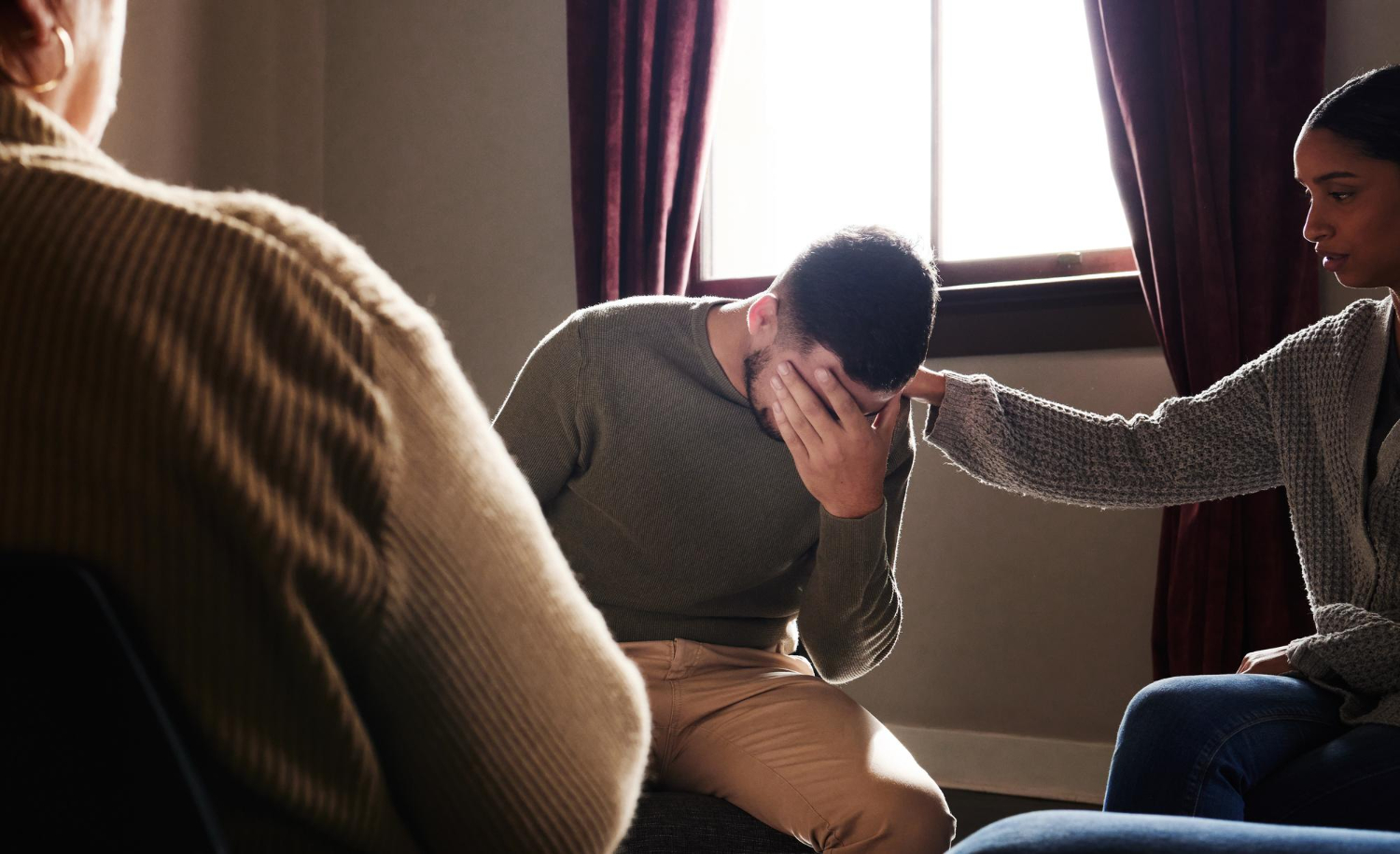
Similarly, robust emotional support networks demonstrably improve outcomes. The quality of a survivor’s relationships—particularly whether they have people who listen without judgment—often predicts recovery better than the specific therapeutic techniques used.
Perhaps most fascinating is the research on meaning-making as a recovery mechanism. Trauma shatters our assumptions about the world. Those who successfully rebuild meaningful frameworks—whether through religion, philosophy, or personal meaning systems—show dramatically better long-term outcomes.
This doesn’t mean all approaches work equally well. Religious coping comes in both helpful and harmful varieties. Some survivors use spiritual beliefs to avoid processing trauma (spiritual bypassing), while others find genuine healing through their faith traditions.
Approaches that integrate evidence-based trauma treatments with spiritually meaningful practices appear to work best. For example, mindfulness-based therapies borrow from Buddhist traditions while maintaining scientific rigor. This integration honors both modern psychological understanding and ancient wisdom about human suffering.
Building Your Personal Support System
Healing from trauma demands a personalized approach. No single method works for everyone. Instead, most survivors benefit from thoughtfully combining different types of support.
Professional support creates a foundation. Therapists trained in trauma-specific approaches like EMDR, Somatic Experiencing, or trauma-focused CBT can help process traumatic memories safely. These treatments address the neurobiological impacts of trauma, helping to calm overactive stress responses and integrate fragmented experiences.
Complementing clinical work, spiritual support addresses questions of meaning and purpose. This might include:
- Reconnecting with a religious community that feels safe
- Exploring contemplative practices like meditation
- Finding sacredness in nature or artistic expression
- Working with spiritual directors or chaplains who understand trauma
When building this support network, consider several key factors:
First, cultural fit matters enormously. Healing approaches that honor your background and values will resonate more deeply than those that feel foreign or imposed.
Second, trust your response to different practices. If a particular approach consistently leaves you feeling worse, that’s valuable information—regardless of how highly recommended it might be.
Third, maintain your agency. Effective trauma recovery empowers you rather than creating new dependencies. Be wary of healers or groups that encourage critical thinking or require uncritical allegiance to their beliefs.
Be on the lookout for spiritual bypassing, the practice of exploiting spiritual concepts to avoid confronting challenging feelings. Expressions such as “everything happens for a reason” or “just focus on the positive” have the potential to interrupt the natural process of grieving and anger. Genuine spiritual practice takes into consideration the full spectrum of human feelings.
Community as Medicine: Finding Collective Healing
Trauma isolates. It whispers that we’re uniquely broken, that no one could understand. This isolation often hurts as much as the original trauma.
Communities that provide genuine emotional support break this isolation. When survivors hear others tell similar stories, the shame of “what’s wrong with me?” often transforms into the recognition of “this is what happens to humans who experience what I experienced.”

Faith communities offer ready-made structures for this kind of connection. At their best, they provide:
- Regular gatherings that combat isolation
- Rituals that create safety and predictability
- Shared language for discussing suffering and healing
- Multi-generational wisdom about human resilience
These benefits aren’t limited to traditional religions. Secular support groups, spiritual-but-not-religious communities, and hybrid approaches can offer similar connections. The most important thing is to identify people who are willing to accommodate your sadness and your strength.
Because of the proliferation of online communities, people who are unable to obtain in-person support due to factors such as geography, health limitations, or safety concerns now have access to new opportunities. Survivors from all over the world can communicate with one another through telehealth groups, monitored online forums, and virtual healing circles. These digital spaces allow for exploring spiritual questions with less fear of judgment than local communities might evoke.
Whatever form they take, healing communities share certain qualities: they respect individual journeys, avoid simplistic answers, make room for complex emotions, and offer challenge balanced with compassion.
When Body Speaks: Somatic Pathways to Healing
“Your biography becomes your biology.” Trauma embeds itself not just in memory but in muscle, breath, and movement patterns. The subtle flinch when touched, shallow breathing, and protective postures aren’t merely psychological symptoms—they’re bodily memories etched into tissue.
Somatic awareness practices create doorways back to physical safety. Body-centered meditation teaches survivors to notice sensations without being overwhelmed by them. This witnessing capacity creates vital space between trigger and reaction—often enough to choose a different response.
Various traditions offer embodied practices that provide emotional support. Prayer offers physical anchoring through familiar movements and rhythmic breathing. Others find grounding in walking meditation, gardening, or structured breathwork. Movement-based practices—trauma-informed yoga, tai chi, or expressive dance—can release what words cannot reach by addressing trauma’s physical legacy directly.
Start gently with micro-practices: thirty seconds of intentional breathing or simply feeling your feet on the floor. The goal isn’t perfect technique but discovering practices that support self-regulation, embodied presence, and the reclaiming of physical joy—fundamental needs often disrupted by trauma.
Finding Meaning After Trauma: The Transformation Journey
Viktor Frankl, Holocaust survivor and psychiatrist, observed that those who survived concentration camps weren’t necessarily the physically strongest but often those who maintained a sense of meaning despite horrific conditions. His insight points to perhaps the most potent aspect of integrating emotional and spiritual support: the possibility of post-traumatic growth.
Post-traumatic growth doesn’t mean trauma was somehow “worth it” or beneficial. Instead, it recognizes that through wrestling with trauma’s profound disruption, many survivors discover unexpected depths. Research identifies several common areas of such growth:
- Deeper appreciation for life
- More meaningful relationships
- Increased personal strength
- Recognition of new possibilities
- Spiritual development
Different spiritual traditions offer frameworks for this transformation:
Some religious traditions provide stories where suffering becomes significant inside a greater narrative—not as something wonderful, but rather as something that may be redeemed or changed.
Indigenous knowledge has sometimes stressed the importance of personal healing for society over generations, therefore augmenting the value of individual rehabilitation.
Modern techniques such as Acceptance and Commitment Therapy assist survivors in living by their most basic principles despite trauma by combining psychological science with aspects of Buddhist philosophy.
These methods do not eliminate the effects of trauma. Instead, they enable survivors to bear their wounds differently—not as heavy loads but rather as components of a greater life narrative, including resilience, healing, and meaning.
The Integrated Path Forward
Trauma recovery rarely follows a neat, linear path. It’s messy, double-backing on itself, and including setbacks alongside breakthroughs.
It’s becoming evident that professional support and emotional and spiritual dimensions provide the most complete healing. Humans require both technical expertise and genuine connection, so this integration doesn’t mean substituting evidence-based treatments with spiritual activities.
For those navigating this territory—whether personally or supporting someone else—consider these principles:
- Honor the whole person—body, mind, heart, and spirit
- Combine evidence-based approaches with wisdom traditions
- Prioritize choice throughout the healing journey
- Recognize healing as both an individual and communal process
- Allow meaning to emerge gradually rather than forcing premature closure
The integration of emotional and spiritual support acknowledges a fundamental truth: trauma touches not just our thoughts and feelings but our deepest sense of who we are and why we’re here. True healing must address this entire spectrum of human experience.
In the words of trauma specialist Judith Herman, “The final stage of recovery is not forgetting the past but integrating it into a newly created life.” This integration—psychological, emotional, physical, and spiritual—offers trauma survivors not just relief from symptoms but the possibility of a life rich with meaning, connection, and purpose.

This content is brought to you by the FingerLakes1.com Team. Support our mission by visiting www.patreon.com/fl1 or learn how you send us your local content here.