


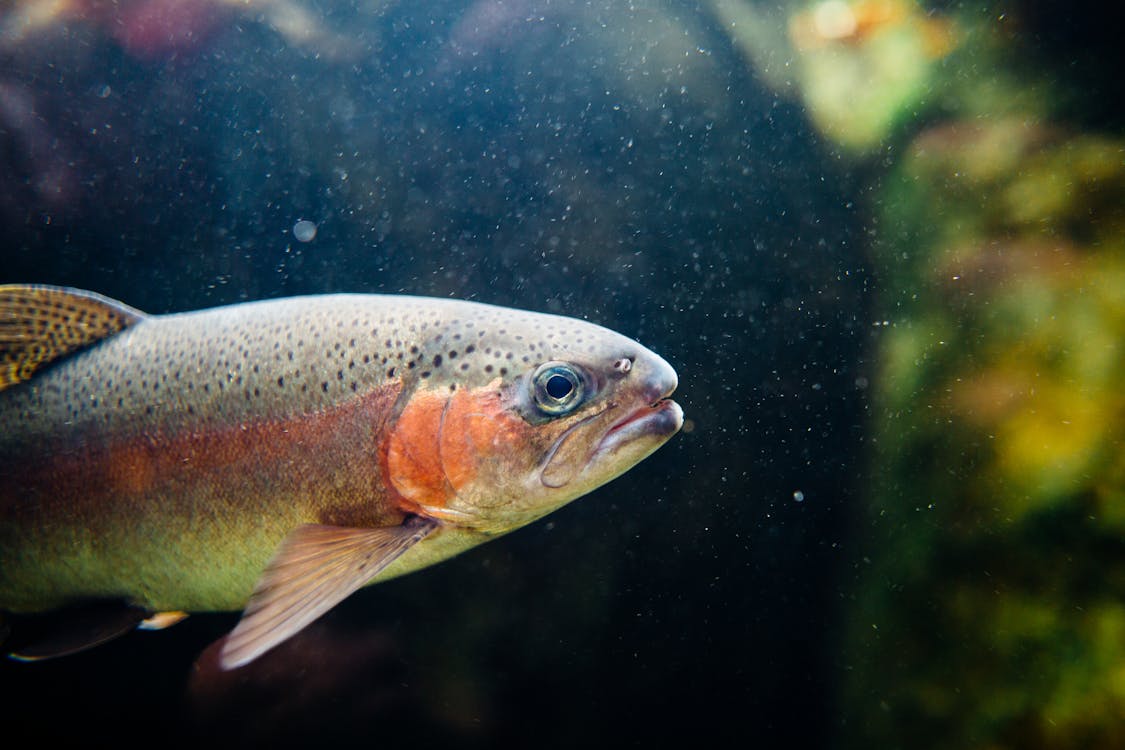
Fishing is both an art and a science. While luck plays a role, experienced anglers know that understanding fish behavior is key to improving catch rates. Fish are influenced by numerous factors, including water temperature, oxygen levels, time of day, and even lunar cycles. By delving into these aspects, you can significantly enhance your fishing skills and success rate.
The Role of Water Temperature
Water temperature is one of the most critical factors affecting fish activity. Different species have preferred temperature ranges, and understanding these can help you determine where and when to fish. For example:
- Coldwater species like trout thrive in temperatures between 50–60°F (10–15°C).
- Warmwater species like bass prefer waters between 75–85°F (24–29°C).
- Coolwater species like walleye are most active in temperatures ranging from 65–75°F (18–24°C).
Temperature changes also impact fish metabolism. When water is too cold, fish become lethargic and feed less. Conversely, when water is too warm, they may move to deeper, cooler areas. Checking temperature patterns can help you locate fish more effectively.
Understanding Oxygen Levels
Oxygen concentration in the water affects fish activity. Fish need dissolved oxygen to survive, and oxygen levels vary based on temperature, plant growth, and pollution levels. Generally, fish are more active in well-oxygenated waters.
- Shallow waters with lots of plant life may experience fluctuating oxygen levels due to photosynthesis during the day and respiration at night.
- Moving water, such as rivers and streams, tends to have higher oxygen levels, making it a good habitat for species like trout.
- Stagnant or warm water can have lower oxygen levels, which may push fish to areas with more aeration, such as near waterfalls or deeper regions of a lake.
Best Times of Day for Fishing
Fish behavior varies throughout the day due to light levels and temperature changes. The best times to fish typically include:
- Early morning and late afternoon: Many fish are most active during dawn and dusk because of lower light levels and cooler temperatures.
- Night fishing: Some species, such as catfish and walleye, feed more aggressively at night when they rely on their enhanced senses to locate prey.
- Midday fishing: This period can be less productive, especially on sunny days, as fish may retreat to deeper, cooler waters to avoid bright light and excessive heat.
How Lunar Cycles Affect Fish Activity
The moon has a surprising influence on fish activity. Many anglers swear by fishing during certain lunar phases, believing that fish feed more actively during full and new moons. Studies suggest that tidal movements, affected by the moon, play a role in fish behavior, particularly in saltwater fishing. Checking lunar calendars before planning a trip can give you an extra edge in predicting fish activity.
Choosing the Right Bait and Lure
Understanding what fish eat and how they hunt is essential to selecting the right bait or lure. Predatory fish are opportunistic feeders, meaning they go after prey that is abundant and easy to catch. To increase your success, mimic their natural food sources.
- Live bait: Minnows, worms, and insects are excellent choices for many freshwater species.
- Artificial lures: Crankbaits, spinners, and soft plastics can imitate real prey and trigger predatory instincts.
- Matching the hatch: Pay attention to what natural food sources are present in the water body you’re fishing. If fish are feeding on small baitfish, use lures that resemble them.
For more tips and detailed insights into fishing strategies, including gear recommendations and location-specific advice, check out the fishing thunderonthegulf articles.
Seasonal Fish Behavior Patterns
Fish behavior changes with the seasons, so adjusting your strategy accordingly can help maximize your catch rate.
- Spring: As water temperatures rise, fish become more active and move to shallower areas to spawn. This is one of the best times to fish.
- Summer: Many species move to deeper, cooler waters during the heat of the day but may feed aggressively during early mornings and evenings.
- Fall: Fish begin feeding heavily to prepare for winter, making this an excellent time to catch larger fish.
- Winter: Cold temperatures slow fish metabolism, requiring slower lure presentations and strategic bait selection.
How Weather Conditions Impact Fishing
Weather plays a crucial role in fish behavior. Key weather conditions to monitor include:
- Barometric pressure: Fish tend to be more active before a storm when barometric pressure drops. A sudden pressure increase, such as after a storm, can make them less likely to bite.
- Wind direction: Wind can push baitfish into certain areas, which in turn attracts predatory fish.
- Cloud cover: Overcast days can be great for fishing, as fish are less likely to retreat to deeper waters to avoid bright light.
- Rain: Light rain can improve fishing conditions by oxygenating the water and making fish more active.
Learning to Read Water Conditions
Observing the water itself can provide valuable clues about where fish are likely to be. Look for:
- Structure: Fish often gather around submerged structures like rocks, fallen trees, and weed beds.
- Current breaks: In rivers, fish tend to stay near areas where fast and slow-moving water meet, as these spots bring in food.
- Baitfish activity: If you see baitfish jumping or moving in schools, larger predatory fish are likely nearby.
Developing Patience and Adaptability
Even with a deep understanding of fish behavior, patience is essential. Fishing requires time and adaptation. If a particular approach isn’t working, try changing your bait, adjusting your retrieval speed, or exploring a different location. Keeping a log of successful trips, noting weather conditions, time of day, and bait used can help refine your strategy over time.
Improving your catch rate isn’t just about casting a line and hoping for the best. By understanding fish behavior—considering factors like water temperature, oxygen levels, time of day, lunar cycles, and bait selection—you can significantly increase your fishing success. Paying attention to seasonal changes, weather conditions, and water structures will further enhance your chances of landing a great catch.
With knowledge, patience, and practice, you can turn an average fishing trip into an exceptional one. So the next time you head out to the water, apply these insights and enjoy the thrill of a successful catch!

This content is brought to you by the FingerLakes1.com Team. Support our mission by visiting www.patreon.com/fl1 or learn how you send us your local content here.