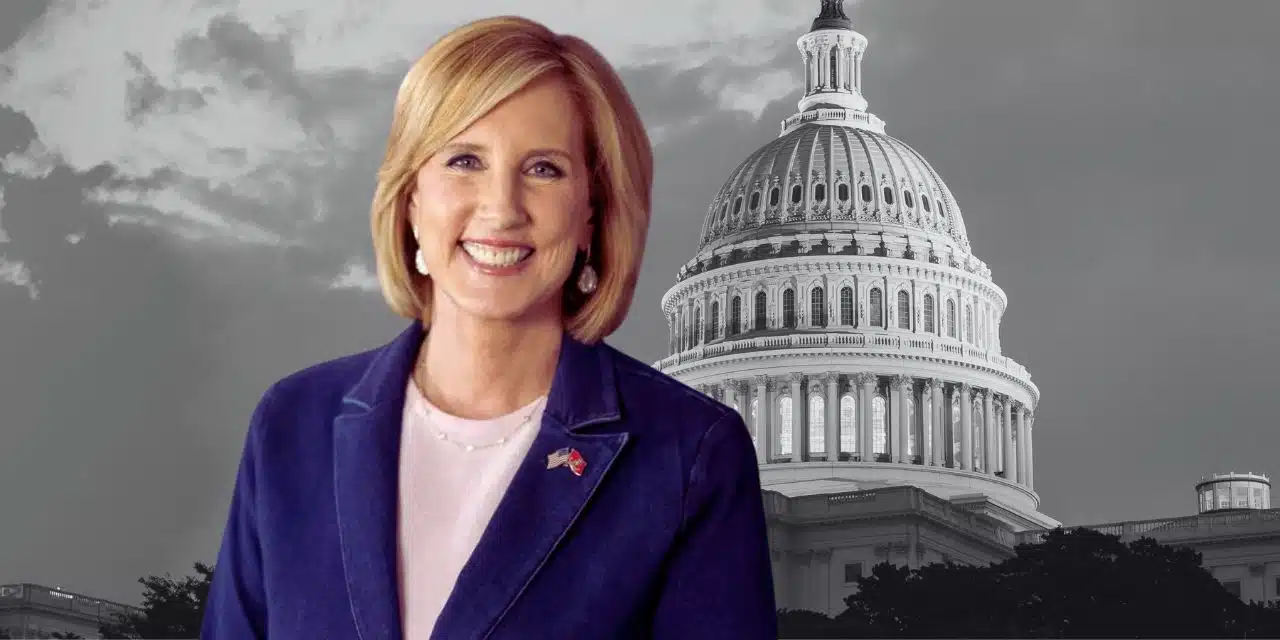
Women make up 28% of voting members in the 119th Congress, a figure unchanged from the previous session but significantly higher than a decade ago. While their overall representation in the House and Senate has increased by 44% since 2015, women still hold a disproportionately small share of seats compared to their presence in the U.S. population.
As of the first day of the 119th Congress, 150 women—125 representatives and 25 senators—held office, just one more than at the start of the previous session. This number is slightly below the record 152 women who served simultaneously in 2024 following special elections.

Among those taking office, 24 women lawmakers are new to Congress. Their ranks include notable firsts, such as Sen. Lisa Blunt Rochester, the first woman and first Black person to represent Delaware in the Senate, and Rep. Sarah McBride of Delaware, the first openly transgender member of Congress. Republican Rep. Julie Fedorchak also made history as the first woman to represent North Dakota in the House.
Despite these milestones, disparities remain. Sixteen states have never elected a woman to the Senate, and Mississippi remains the only state never to have sent a woman to the House.
Women in Congress remain disproportionately Democratic
Women continue to be more heavily represented among Democrats than Republicans in Congress. The 119th Congress opened with 110 Democratic women and just 40 Republican women, meaning women account for 42% of congressional Democrats but only 15% of congressional Republicans. This trend has persisted since the 1970s, with Democratic women consistently outnumbering their Republican counterparts.
Historically, women’s representation in Congress was more evenly divided between parties. Early in the 20th century, most female lawmakers were Republicans. But the political landscape shifted in the 1990s, and today, Democratic women make up the vast majority of female members in both chambers.
A century of progress, but challenges remain
Women have served in Congress for more than a century, beginning with Montana Republican Jeannette Rankin’s election to the House in 1916. Since then, 396 women have served in the House and 63 in the Senate, with the vast majority taking office in the past three decades.
While women’s presence in Congress has grown, pathways to office have also evolved. Until the 1970s, one of the most common ways for women to enter Congress was through “widow’s succession,” in which wives of deceased lawmakers took over their late husbands’ seats. Though rare today, it has occurred three times since 2000, including two current House members, Reps. Doris Matsui and Julia Letlow, who succeeded their late spouses.
As women’s representation continues to expand, the 119th Congress reflects both progress and the enduring challenges of gender parity in politics.

FingerLakes1.com is the region’s leading all-digital news publication. The company was founded in 1998 and has been keeping residents informed for more than two decades. Have a lead? Send it to news@fingerlakes1.com.