


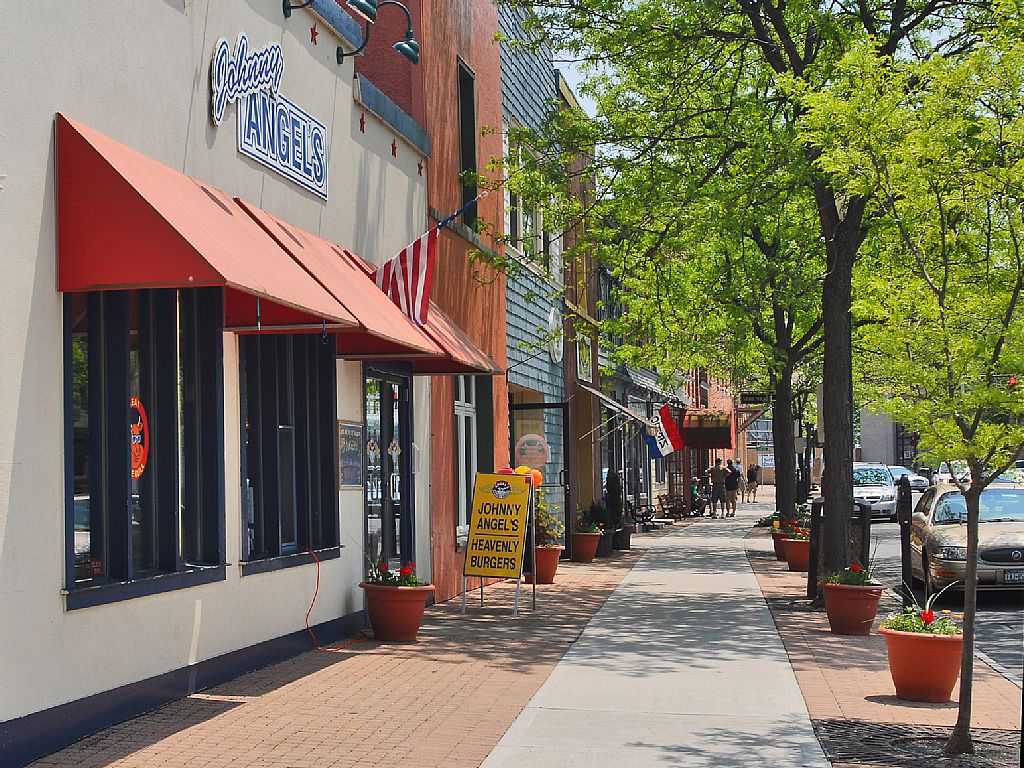
The City of Corning continues to demonstrate economic resilience despite ongoing population decline and broader regional challenges, according to a new report profiling the city’s fiscal and economic landscape. The report, issued in November 2024, highlights Corning’s strong fiscal management, economic development efforts, and cultural significance within New York’s Southern Tier.
Corning’s population has steadily declined since its peak in 1950, dropping over 40% to 10,551 residents as of 2020. This mirrors a broader trend among upstate cities. However, the city remains an economic hub thanks largely to Corning Incorporated, a Fortune 500 company headquartered downtown that employs about 5,000 people locally. Other significant employers include the Corning City School District and Pathways, Inc.
Despite its shrinking population, Corning boasts a higher-than-average educational attainment rate, with nearly 59% of residents over 25 holding a college degree, surpassing the statewide rate of 48%. The city’s median household income of $59,453 also exceeds the average for upstate cities but trails the statewide figure of $81,386.

Corning’s fiscal stability is reflected in its robust property value growth, with a 41% increase between 2013 and 2023. Real property taxes accounted for nearly 38% of the city’s revenues in 2023, a significantly higher reliance than other New York cities. At the same time, the city’s debt burden is modest, with outstanding debt reduced by 40% over the past decade to $8.6 million.
The city has never been classified under the State Comptroller’s Fiscal Stress Monitoring System, maintaining a zero-stress score in 2023. It also holds an A1 bond rating from Moody’s, signaling low credit risk.
Tourism continues to play a central role in Corning’s economy, driven by attractions like the Corning Museum of Glass, which draws over 300,000 visitors annually, and the Smithsonian-affiliated Rockwell Museum. The city’s Gaffer District, a hub for local businesses and cultural events, has been pivotal in revitalization efforts. Annual events such as GlassFest and the Wineglass Marathon further enhance Corning’s reputation as a regional destination.

The city has made significant progress in implementing its 2018 Economic Development Strategic Plan, emphasizing tourism, entrepreneurship, and urban revitalization. Recent projects include mixed-use building renovations, road infrastructure upgrades, and a $500,000 childcare initiative for Corning Incorporated employees.
Corning’s Smart Growth Comprehensive Plan, set for completion in 2025, aims to address sustainability, diversity, and climate resilience. Additionally, the city’s capital reserve fund has grown to $5 million, positioning Corning for continued investment in infrastructure and public services.
The report underscores Corning’s ability to adapt and thrive amid shifting economic and demographic conditions, cementing its role as a model for resilience in upstate New York.

FingerLakes1.com is the region’s leading all-digital news publication. The company was founded in 1998 and has been keeping residents informed for more than two decades. Have a lead? Send it to news@fingerlakes1.com.