

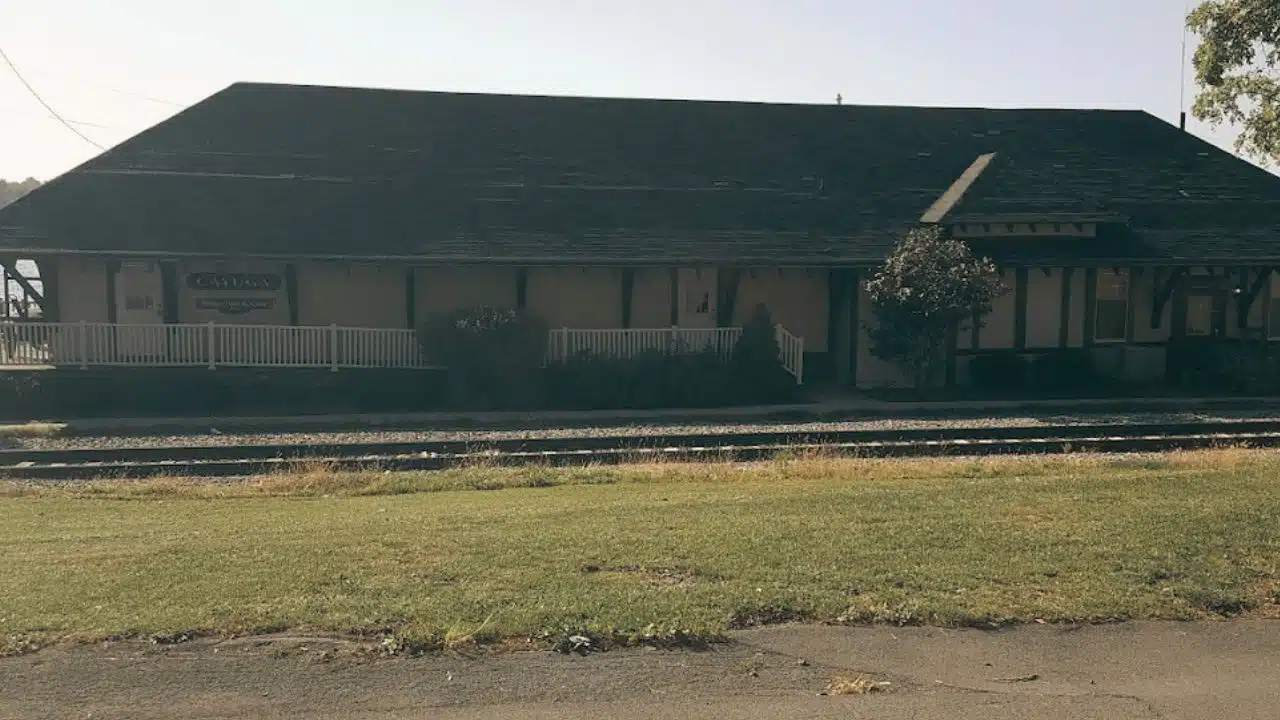
The Village of Cayuga has received state approval for a sweeping waterfront revitalization plan that lays out nearly two dozen projects aimed at expanding public access to Cayuga Lake, redeveloping underused properties and addressing infrastructure and environmental problems.
The Village Board of Trustees adopted the Local Waterfront Revitalization Program on July 8, and New York Secretary of State Walter Mosley approved it Aug. 20. The approval gives the village a formal framework for future development and requires applicable local, state and federal actions within the waterfront area to be reviewed for consistency with the plan.

The 300-plus-page plan covers the entire village and establishes a long-term vision centered on protecting Cayuga Lake, developing a more active waterfront and improving recreational access. Among its goals are attracting neighborhood-scale businesses, improving infrastructure, addressing harmful algal blooms and stormwater runoff, and making better use of the village’s historic waterfront.
The plan doesn’t mean all of the projects will be built, nor does it establish a construction schedule for everything included. Instead, it creates a list of potential projects that can be pursued as funding, partnerships and opportunities become available. Village officials will determine priorities as implementation moves forward.
Some projects are already further along than others.
One of the largest proposals is the redevelopment of Beacon Bay Marina, where plans call for converting a former Beacon Milling Company building into the Lodge at Beacon Bay. The proposal includes 19 lodging units, a property manager’s apartment, gathering space, additional docks and parking improvements.
The project carries an estimated cost of about $5.7 million and is listed as a high priority expected to advance within one to three years. The marina project was also included in the Cayuga, Union Springs and Aurora Downtown Revitalization Initiative and received DRI funding in 2025.
Another high-priority private development would create an event center on a three-acre Lake Street property overlooking Cayuga Lake. Plans envision a 4,000-square-foot facility capable of hosting weddings, reunions, school functions, seminars and other gatherings, along with parking, a seawall, overlook deck, dock and walking trail. The estimated cost is $2 million.
The village amended its zoning rules in 2024 to allow event venues through a special permit in several districts, meaning the project would no longer require the rezoning contemplated during earlier planning.
A major focus of the LWRP is also John Harris Park, the village’s primary public access point to Cayuga Lake.
The plan proposes roughly $2 million in long-term improvements there, potentially including an accessible paddlecraft launch, children’s play area, pavilion, viewing platform, educational displays, improved parking and a formalized railroad crossing. Those improvements would be coordinated with shoreline restoration and other waterfront projects.
The railroad presents one of the biggest complications for several proposals. Finger Lakes Railway tracks separate portions of the village from the lake, and the LWRP says a number of projects can’t move forward without cooperation from the railroad.
That includes a proposed expansion of the John Harris Park boardwalk toward the state-owned land commonly known as “The Island.”
The first phase calls for a $500,000 feasibility, design and engineering effort to determine whether the boardwalk could reach the island and whether the deteriorating former Cayuga-Seneca Canal breakwater pier could be rehabilitated or replaced. A second phase estimates another $2 million for construction.
A separate $50,000 study would explore formally opening The Island to the public. The village’s long-term vision is for the state-owned property to become a public park or nature preserve while remaining under state ownership.
The deteriorating pier has been a longstanding concern. The plan describes crumbling concrete, holes, exposed material beneath the water and continued attempts by people to access the structure despite restrictions. Village officials have previously approached state agencies about repairing or replacing it.
Away from the immediate waterfront, McIntosh Park is slated for another major investment.
A roughly $2.08 million project would add an 8,400-square-foot pavilion, inclusive playground, pickleball court, improved drainage, a paved entrance and parking, benches and other possible upgrades. That project is listed as a high priority with a one- to three-year timeframe and was included in the regional DRI plan.
Pedestrian infrastructure is another major component.
The LWRP found more than two miles of sidewalks either missing or in poor condition, including a key gap along Wheat Street near the former Cayuga Elementary School redevelopment. It also found that two of the village’s three marked crosswalks across Route 90 lack connecting sidewalks.
Other proposed projects include a public boat sewage pump-out station, electric vehicle charging stations, shoreline erosion work, stormwater improvements, upgrades to the Cayuga Recreation Trail, an invasive species management program and a study of dredging near John Harris Park and the former canal entrance.
The document also proposes studying a regional shuttle that could connect village residents and the waterfront with nearby communities and services. The idea is partly driven by residents who don’t have access to vehicles and the lack of public transportation serving the village.
Environmental concerns are woven throughout the plan.
Harmful algal blooms were identified as one of residents’ biggest waterfront concerns. Repeated blooms led the village to permanently close swimming at John Harris Park in 2023 until a solution can be found. The plan also identifies untreated stormwater, shoreline erosion, aquatic vegetation and invasive species as issues affecting the lake and waterfront.
The LWRP is intended to do more than establish a wish list. Once approved, it becomes part of the regulatory framework governing actions within the waterfront revitalization area. Projects requiring village approval or funding must undergo a consistency review to determine whether they align with the plan’s policies.
Implementation will depend heavily on outside money. The document says the village will need to rely “almost exclusively” on external funding for most of the major projects, using a combination of state and federal grants, private investment and local partnerships.
The broader goal is to turn Cayuga’s location at the northern end of Cayuga Lake into a stronger community asset without sacrificing the qualities residents said they value.
The plan summarizes that approach as encouraging limited and guided commercial development, improving access and recreation, and protecting the lake and surrounding natural resources — essentially trying to make Cayuga more of a waterfront destination while maintaining its small-village character.

FingerLakes1.com is the region’s leading all-digital news publication. The company was founded in 1998 and has been keeping residents informed for more than two decades. Have a lead? Send it to news@fingerlakes1.com.