

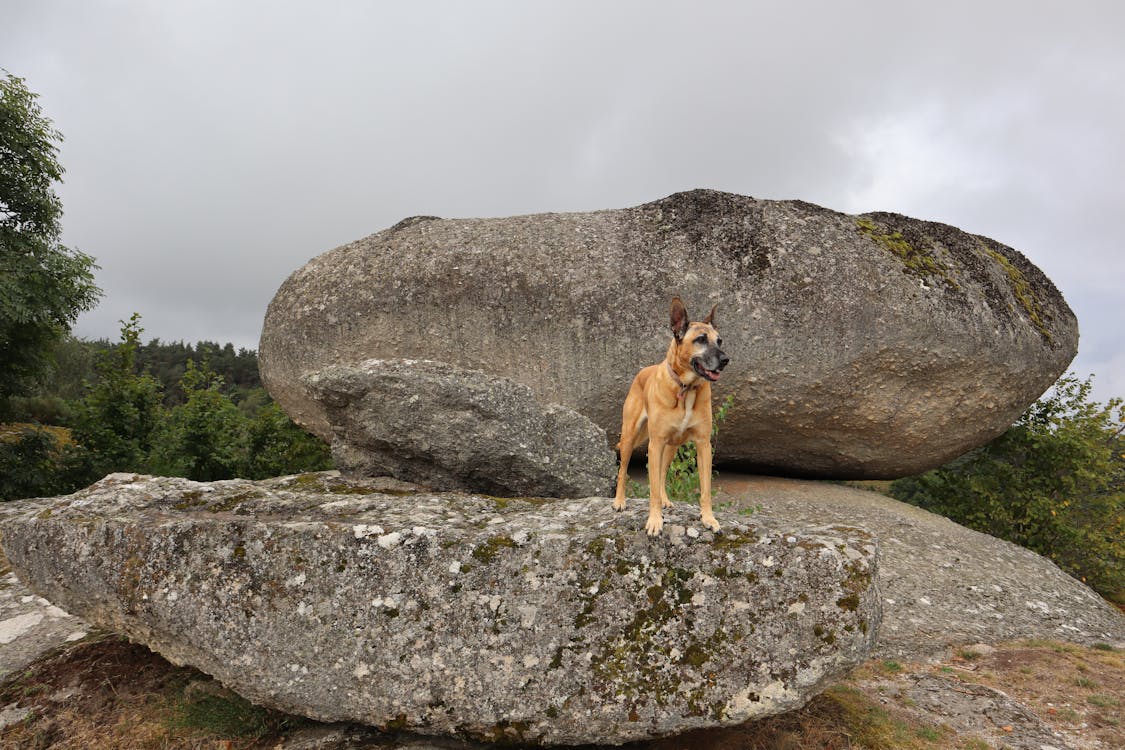
Dogs love going for walks. Any dog owner will tell you how their tails wag and they look happy when it’s time to go for a walk. If you enjoy hiking, you might have taken your dog along.
A dog makes a great hiking buddy. But before you hit the trail, ensure your dog is in good shape by training them well. Also, bring the needed items and leave no trace behind. They love exploring new places, and hikes give them good exercise. But before starting, ensure your dog is up for the challenge.
Here are some tips for getting your dog ready for hiking and enjoying it together.
Prepare Your Dog for the Hike
How well you prepare your dog for a hike affects its success. First, make sure the dog is old enough to hike. A puppy under six months is probably not ready. Next, teach the dog basic commands.
You don’t want to hike with a dog that barks at people and other animals while pulling you because it wants to run off. Teach it commands like stop, come, leave, and sit. If this is your first time training a dog, take a class online or in person, or hire a trainer to help.
Next, get the dog ready for the hike. You need to do more than just take a dog used to taking walks in the park. The dog could get injured. Spend a few weeks training by taking short walks and gradually increasing the distance and difficulty to build stamina.
Choose the Right Trail
When you’re confident your dog is ready for a hike, look for the best trail. The trail should match your pup’s fitness and experience. You want to avoid taking them on a 10-mile trek their first or second time out.
Also, remember that not all trails allow dogs. Before choosing one, check if dogs are permitted and the rules. Some trails only permit dogs on leashes.
Keep Your Dog on a Leash
Most trails require dogs to be on a leash. Even if your dog is well-behaved and off-leash, follow trail rules to avoid fines. A leash will stop your dog from running off and scaring hikers, chasing wildlife, or facing dangers like snakes.
We recommend using a hands-free hiker leash attached to your waist. This will allow your dog to explore while still being under your control. Brands like Ruffwear offer many types of leashes that are ideal for hiking.
Pack the Essentials
When hiking, pack essentials for your dog just as you do for yourself. Hiking uses a lot of energy, so bring dog food or snacks to energize your pet. Choose regular dog food or treats for your dog.
Staying hydrated is also important, so pack enough water and a collapsible bowl for your dog. Bring waste bags to collect and dispose of waste properly, keeping the trail clean.
A first aid kit is crucial if your dog gets injured. This should have bandages, antiseptics, tweezers, and other basic medical supplies. If it’s summer, pack a cooling vest to help your dog stay cool. On rough terrain, booties can protect your dog’s paws from harm.
If you’re camping during your hike, bring a sleeping mat and blanket so your dog has a comfy resting place. These items will help make hiking safe and fun for you and your canine friend.
Get Clearance from a Vet
Before hitting the trail, take your dog to a vet to check if they have any underlying issues that would prevent hiking. The vet will also recommend the necessary vaccines your dog needs to stay safe in the woods.
Monitor Your Dog’s Behavior
Pay close attention to your dog’s behaviour during the hike. Excited and trying to please you, it may overexert itself. Look for signs of fatigue, like excessive panting, lagging, or lying down, and allow the dog to rest.
On a hot day, look for signs of overheating, like drooling excessively, appearing lazy, or having a rapid heartbeat. If these signs occur, find a shaded area, give the dog water, and let it rest. Moreover, stop the dog from barking excessively, as it disturbs other hikers and wildlife. Keep it engaged and under control at all times.
Leave No Trace
When you take your pup for a hike, you must be responsible and leave no trace. Clean up after your dog has pooped and dispose of the waste properly. Ensure the dog stays on the marked path so it doesn’t disturb wildlife and fragile ecosystems.

This content is brought to you by the FingerLakes1.com Team. Support our mission by visiting www.patreon.com/fl1 or learn how you send us your local content here.