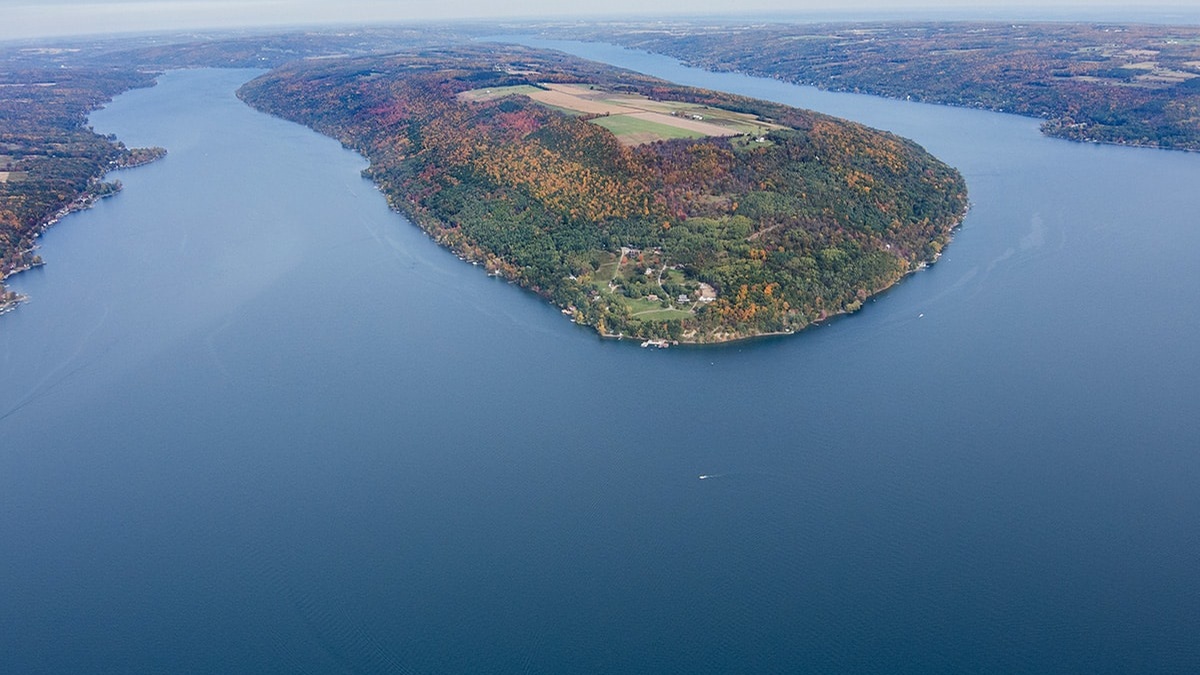
The New York State Department of Environmental Conservation (DEC) has identified a common parasite and bacteria as the cause of a significant fish die-off in Seneca Lake last week. After being alerted about the mass mortality on June 20, DEC fisheries staff gathered samples of the Alewife, a prey fish species, from the affected area.
The DEC, in collaboration with the Cornell University College of Veterinary Medicine, determined that Chilodonella, a common parasite found in most waters, and Aeromonas hydrophila, a bacteria causing a disease known as Motile Aeromonas Septicemia in fish, were responsible for the die-off. Importantly, the DEC clarified that neither the parasite nor the bacteria pose any threat to human health.
This incident mirrors a similar die-off in Seneca Lake in 2017, attributed to Chilodonella. No significant impact to the Alewife population has been observed in the wake of the recent event, but the DEC continues to monitor the fishery. The DEC encourages the public to report any instances of fish kill in DEC Region 8 to facilitate timely sample collection and cause determination.
Make FL1 part of your day.
Local reporting. Useful updates. More ways to stay close to your community.
Go ad-free
Support independent local reporting and enjoy FL1 without display ads.
$4.99 / month
Become a member →Cancel anytime. Third-party media players may contain ads.Get the daily briefing
Start your morning with the headlines that matter across the Finger Lakes.
Find more FL1 on Google
Choose FingerLakes1.com as a preferred source to see more of our reporting in your Google news results.

FingerLakes1.com is the region’s leading all-digital news publication. The company was founded in 1998 and has been keeping residents informed for more than two decades. Have a lead? Send it to news@fingerlakes1.com.