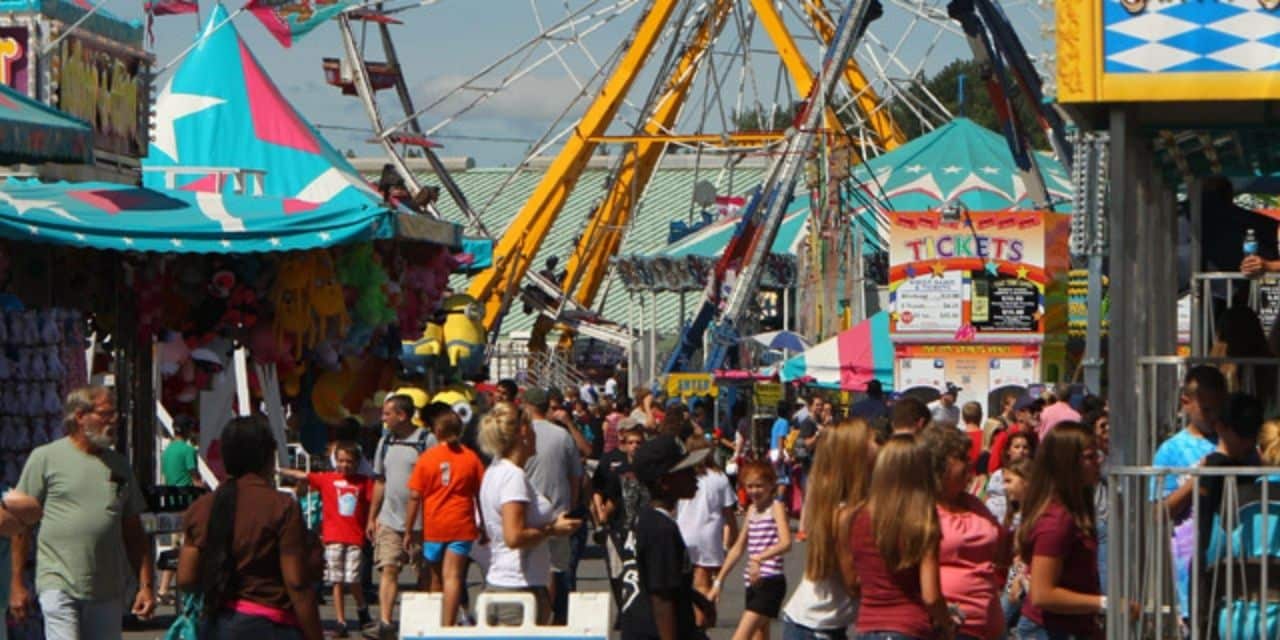
Wine country has a space problem. A tasting room seats thirty, the festival crowd is three thousand, and tour operators, cellar doors and boutique hotels all want the same weekend. Pop-ups fill that gap: a temporary tasting bar, a branded wall, a counter on wheels. They’re cheaper than a second location and far easier to test. Below, you’ll find what works on a festival lawn, which tech is showing up around the bar, and how to pack the whole thing into one van.
Why the pop-up wins over the brochure rack
A tasting room has the view, the barrels and the smell of oak. A festival tent has a folding table and a cooler. That’s the gap, and it’s where most wineries lose the first ten seconds. Visitors walk past a dozen identical tents with a banner on a stand and a bowl of crackers. Which one do they remember?
The booths that stick usually have one strong visual wall. Wineries that do this seriously order custom SEG frames sized to the exact back wall of the tent, then change the fabric print per event: vineyard at sunrise for a spring fair, harvest crates for autumn. The frame stays. The story swaps in about the time it takes to pour a glass.
Second thing worth stealing from the big brands: build one repeatable kit instead of improvising each weekend. A van-sized setup that goes up in under twenty minutes beats a beautiful one that needs three people and a toolbox.
What’s new around the bar
Labels that talk
The 19 Crimes wines made augmented reality labels famous: point a phone at the bottle and the convict on the label starts to speak. Treasury Wine Estates built the whole brand on it. Smaller producers copy the idea with simple QR codes that open a 30-second video from the winemaker. A tasting table gets a lot livelier when the bottle itself becomes the entertainment.
Apps and recommendations
Vivino scans a label and returns ratings in seconds, so visitors are already comparing bottles in the aisle before they reach the table. Tock handles ticketed tastings and reservations. Commerce7 and WineDirect run wine clubs and point-of-sale. Vinoshipper helps with the legal mess of shipping bottles across state lines. The stack looks boring on paper. It saves a lot of Monday mornings.
Prototype shelf
Some ideas still live in demos and pilot programs:
- Smart dispensing systems like Coravin and Enomatic, already common in wine bars, that pour small tastes without pulling the cork
- NFC-tagged bottles that confirm authenticity and show provenance
- E Ink shelf labels that change tasting notes and prices on the fly
- AI “digital sommelier” kiosks that suggest a bottle after three taste questions
Will they replace a person with a good story? Unlikely. They do shorten the line.
Building a pop-up tasting room
A tasting pop-up isn’t a booth with wine on it. It’s a tiny venue, and the layout decides whether visitors circulate or clog the entrance.
The basic footprint
A 10×10 ft tent works for solo tastings. A 10×20 ft makes room for a queue lane and a cashier corner. Beyond that, split the area:
- Front bar: pouring only, no cash handling
- Wall behind the bar: logo, vineyard image, one short sentence
- Side counter: sales and club sign-ups
- Back corner: locked storage for cases, spare glasses and ice
- Waste station: dump buckets and a water jug, kept out of sight
Modular SEGO kits from SEG Solution include lockable door modules, shelves, monitor mounts and battery-powered counters, which suits exactly this layout. The back wall can hide a stock cupboard. The counter doesn’t need an extension cord snaking across the grass.

Light changes everything
Wine looks best in warm light. An edge-lit fabric wall in a soft 2700K tone makes a red glow instead of looking like cough syrup under fluorescent tubes. Daylight events are different: backlit panels fight the sun, so blackback fabric in a frame is the saner choice outdoors.
Festivals: the 90-second rule
At Paso Robles Wine Festival, Taste of Chicago or the little harvest fairs across Tuscany, attendees move fast. A visitor has about 90 seconds before the glass is empty and the crowd pulls them onward. What can a booth do in that time?
- Pour within ten seconds of arrival. Waiting kills interest.
- Put the winery name in letters readable from the next row of tents.
- Offer one clear action: “Join the club, get the ninth bottle free.”
- Give a card or sticker with a QR code, not a flyer that ends up in a trash can.
Sampling sizes matter. A thirty-milliliter pour keeps the lawn sober, the costs reasonable and the line moving.
Pop-ups beyond wine
Tourism isn’t only vineyards. Boat tour companies, hot-air balloon operators, boutique hotels, hiking guides and regional food trails all run into the same festival and fair circuit.
Tour and activity operators
A lit wall with a huge photo of the actual trip sells better than a brochure. Add a tablet on a bracket showing a looping 40-second drone clip, and a booking QR code next to the price. Travel fairs like ITB Berlin and WTM London set the standard for this style, and smaller regional versions copy it within a season.
Hotels and B&Bs
Hotels use pop-ups at wedding expos. A mock bedside corner with a lit headboard panel and a real linen sample tells more than a rate card. Visitors touch it, photograph it and leave with a business card.
Food trails and cooperatives
Five small producers can share one display wall with five sections, each with its own graphic. Share the frame, split the cost, split the leads. Practical for cheese makers, olive oil farms and craft cider houses.
Money and logistics
Pop-up budgets slip in boring places. Go through this list before the first deposit:
- Event fee, power, water and carpet or flooring
- Temporary alcohol permit or special-event license, which varies by state or country and can take weeks
- Insurance for liability and breakage
- Glassware, ice, spit buckets and napkins, which add up fast
- Transport, parking and an early-morning setup slot
- Printed graphics, delivered before the event, not the night before
For graphics, standard fabric printing takes two to three business days after proof approval, and frames usually need four to five. A show in three weeks is realistic. A show in five days is a gamble. The online calculator on the SEG site gives a price for any frame size and fabric without a sales call, which makes comparing options fast.
Weather, wind and other uninvited guests
An outdoor tent in a vineyard in October gets wind, damp and sometimes a surprise hailstorm. A few habits make the day survivable:
- Weights on every tent leg, not just the corners
- Fabric graphics stretched tight in frames so gusts don’t flap them
- A backup indoor layout if the venue offers a hall
- A roll of gaffer tape, spare zip ties and a pair of scissors in the van
- Cooler boxes with ice for whites, shaded from direct sun
Fabric handles weather better than rigid boards, because wind passes through the tensioned weave better than it fights a solid sign. Still, check the forecast. Does a boat tour stand really need to compete with a thunderstorm?
Measuring if the pop-up paid off
At the end of the day, count three things: bottles sold, club sign-ups and email addresses collected. Add a simple tracking code to the QR link so bookings from the event show up separately in the dashboard. After two or three events, patterns appear: the Saturday afternoon slot outsells Friday evening, the red wall beats the white one, the small pour sells more bottles than the generous one.
Then adjust the kit. Maybe the frame needs a taller version, a counter with storage or a second graphic for off-season events. Pop-ups reward the winery that learns fast, and punish the one that repeats the same tent for ten years.
Make FL1 part of your day.
Local reporting. Useful updates. More ways to stay close to your community.
Go ad-free
Support independent local reporting and enjoy FL1 without display ads.
$4.99 / month
Become a member →Cancel anytime. Third-party media players may contain ads.Get the daily briefing
Start your morning with the headlines that matter across the Finger Lakes.
Find more FL1 on Google
Choose FingerLakes1.com as a preferred source to see more of our reporting in your Google news results.

This content is brought to you by the FingerLakes1.com Team. Support our mission by visiting www.patreon.com/fl1 or learn how you send us your local content here.