


Seneca County’s tentative $120.9 million budget would increase the county property tax rate by 3.6%, using additional sales tax revenue and reserves to help cover higher insurance, utility and capital costs.
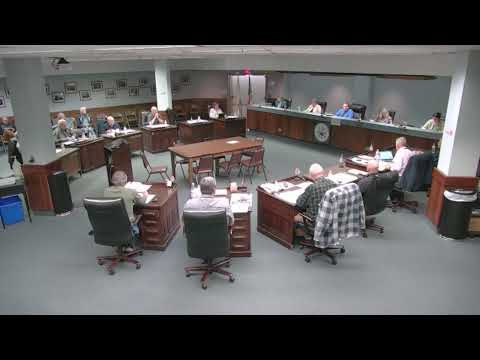
County Manager Melissa Taylor and Finance Director Julie Bub presented the proposal to supervisors Nov. 10. The board also adopted its 2027 salary law, keeping supervisors’ own compensation unchanged after months of debate.
The spending plan remains subject to changes before adoption. Taylor said the county faces a Dec. 20 deadline to approve the final budget.
Tax rate and total levy would increase
The proposed average county tax rate would rise from $4.19 to $4.34 per $1,000 of assessed value. For a home assessed at $130,000 with an unchanged assessment, that would mean approximately $20 more annually in county property taxes.
The total property tax levy — the amount collected from property taxpayers — would increase more sharply, from approximately $16.59 million to $18.33 million, or about 10.5%.
All-funds spending would rise approximately $5 million, or 4.3%. General fund spending would reach about $104 million, an increase of roughly 3.2%.
The proposal uses $1.65 million from the tax stabilization reserve and $500,000 in highway fund balance.
It also anticipates $4 million more in sales tax revenue than the original 2026 budget, including approximately $2.5 million associated with the county’s decision to end its fuel sales tax cap.
Supervisors approved that change Oct. 27, targeting a Dec. 1 start subject to state approval and processing. It returns affected gasoline and diesel purchases to percentage-based county taxation.
Insurance and capital expenses drive costs
Bub said a 17.5% health insurance increase would add nearly $1 million to county expenses. Retirement costs would rise approximately $340,000 and utilities about $430,000.
Combined salary and benefit expenses would increase approximately $1.8 million, or 2.5%.
That comparison reflects a payroll-calendar difference. The 2026 budget included 27 pay periods, while 2027 returns to 26, offsetting some of the increase in wages and benefits.
The proposal also includes $1 million for debt service associated with the new highway building and mental health relocation renovations. Capital planning priorities include courthouse improvements and repairs at the Law Enforcement Center.
Those expenses follow warnings earlier this year that rising costs could require a property tax cap override.
Taylor said officials will monitor sales tax collections, construction costs, state and federal funding, labor negotiations and health insurance expenses throughout 2027.
Salary law keeps supervisors’ pay unchanged
The board adopted Local Law 2 of 2026, establishing compensation for county officers and designated senior personnel and applying the 2027 management salary schedule.
Supervisors will continue receiving $15,603 annually, with the chair receiving $19,800. The board had removed proposed 3% increases for itself in August, then returned the salary proposal to committee in September while seeking a clearer budget picture.
Supervisor Jeffrey Trout said his objections had focused on supervisors’ raises, rather than compensation for department heads and other full-time officials.
“My intent was always to question whether or not the board of supervisors should get a raise,” Trout said.
He described conversations with residents struggling to afford taxes and household expenses, including an elderly resident whose annual tax increase was roughly equivalent to the proposed increase in a supervisor’s salary.
The adopted law lists annual salaries of $162,813 for the county manager, $151,127 for the finance director and $175,511 for the county attorney. The accompanying management schedule includes a 3% increase and 1.9% steps.
Chairman Michael Enslow voted against the law. One abstention was also announced.
The salary provisions apply beginning with the first payroll period after Jan. 1, subject to the law’s effective-date, referendum and filing requirements.

FingerLakes1.com is the region’s leading all-digital news publication. The company was founded in 1998 and has been keeping residents informed for more than two decades. Have a lead? Send it to news@fingerlakes1.com.