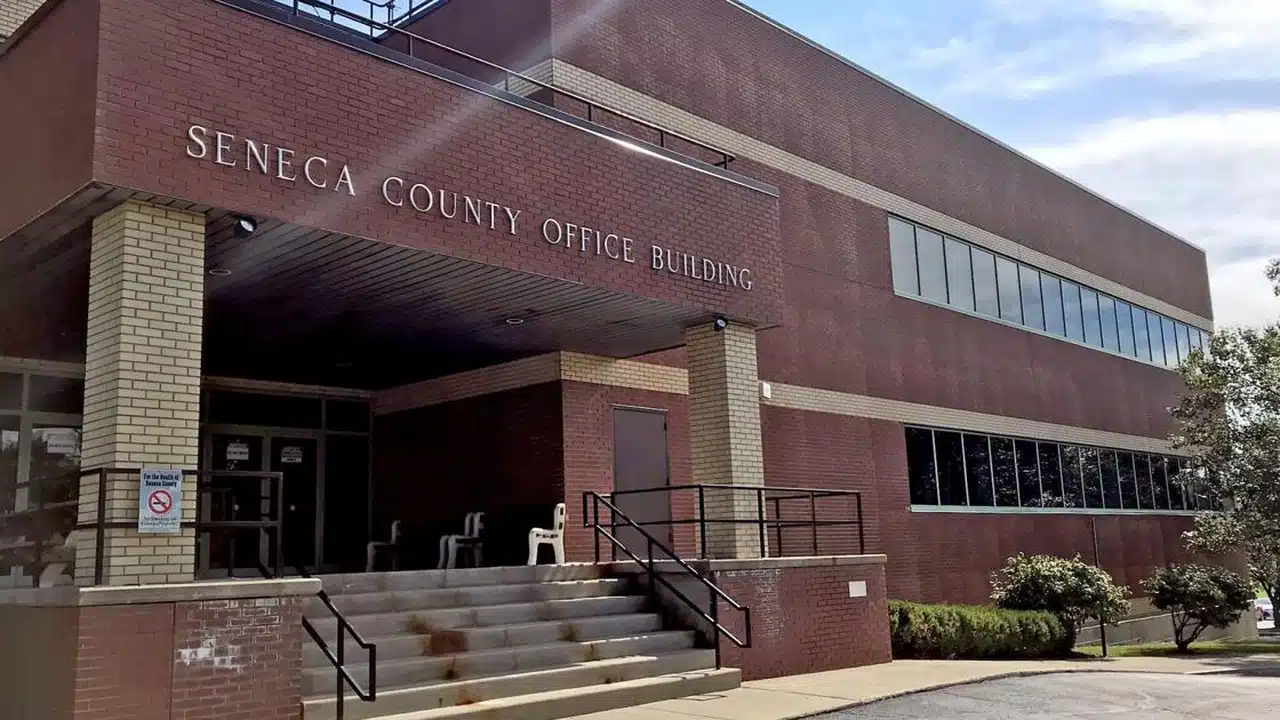
The Seneca County Board of Supervisors voted Tuesday to end a 20-year-old limit on county sales taxes collected on gasoline and diesel, approving a change supporters say could generate about $3 million annually to help relieve pressure on property taxpayers.
The measure passed during a special meeting by a weighted vote of 469-231. It targets a Dec. 1 effective date, although officials said implementation depends on state approval and processing.
The decision followed a debate over whether motorists have benefited from the existing tax treatment — and whether collecting more tax will raise prices at the pump.
How the tax changes

Under the existing arrangement, the county collects 8 cents per gallon, equivalent to its 4% sales tax on the first $2 of the fuel price. The resolution returns affected fuel sales to the county’s percentage-based tax.
At a taxable price of $4 per gallon, the county’s share would increase from 8 cents to 16 cents. The amount would fluctuate with fuel prices.
Ways and Means Chair Beth Partee said the county’s budget task force reviewed the change while developing the 2027 budget. She argued that collecting additional revenue from people buying fuel in Seneca County would distribute the cost of county services more broadly.
Much of the county budget supports programs and services required by the state, she said.
“So I believe the question becomes who carries the burden: everybody who buys fuel here in Seneca County, or our property taxpayers alone,” Partee said.
Supervisors dispute the effect on prices
Supporters questioned whether the existing tax advantage has consistently translated into cheaper fuel.

Supervisor Jeffrey Trout said he compared station prices in Seneca County with prices in Yates, Ontario, Cayuga and Wayne counties on four occasions over two months. He described the comparison as unscientific but said prices elsewhere were generally the same or lower.
Other supervisors pointed to differences among stations within Seneca County, including stations near Thruway Exit 41.
Supervisor Bob Shipley opposed the change. During committee discussion, he said the original arrangement was intended to keep local fuel sellers competitive. He also questioned whether the available sales tax information supported a revenue estimate he could accept.
Partee noted that the board could revisit the policy through another resolution if it chose to change course.
Fuel buyer warns about higher costs
A public speaker identified as Mr. Black challenged the assumption that retailers would absorb the additional tax.
He said his operation purchases about 400,000 gallons annually and warned that higher fuel costs would affect business budgets and customers, along with individual motorists. At an additional 8 cents per gallon, that volume would represent $32,000 in added annual costs if the entire increase were passed along.
He also questioned whether major fuel suppliers had been consulted and whether higher prices could reduce the volume sold in the county.
Supporters maintained that competitive pressures could limit price increases. However, supervisors acknowledged that individual stations set their own prices.
The resolution repeals the county’s 2006 election to use the cents-per-gallon calculation. County officials are directed to complete the state filings needed to implement the change.

FingerLakes1.com is the region’s leading all-digital news publication. The company was founded in 1998 and has been keeping residents informed for more than two decades. Have a lead? Send it to news@fingerlakes1.com.