

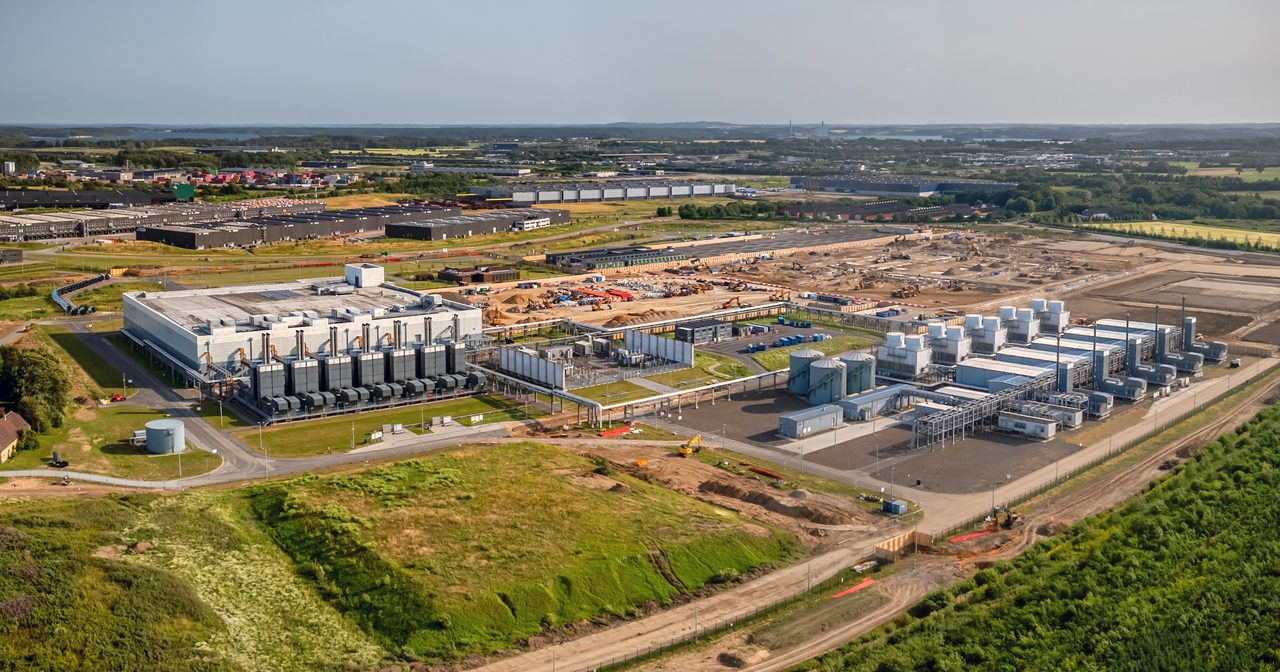
Data center development is emerging as a contested explanation for New York’s election results, with Democrats pointing to concerns about electricity bills and environmental impacts while political analysts disagree over how much the issue changed votes.
The debate has particular relevance in the Finger Lakes, where proposed projects have generated disputes over power demand, water, noise and local control.
Public skepticism was evident before Election Day.
A September Siena Research Institute poll found likely New York voters opposed a new large data center in their area after the state’s moratorium expires by 63% to 25%.
The survey interviewed 1,144 likely voters Sept. 11-17. It measured opinions about development, rather than how many people ultimately voted because of the issue.
Campaign advertising also shifted.
As FingerLakes1 reported Oct. 30, a Pew analysis found that opposition appeared in 57% of October political ads mentioning data centers on Facebook and Instagram. Just 3% clearly supported them.

That research examined advertisements, not the causes of election outcomes.
In a post-election analysis published by the Times Union, Republican consultant Dan Kranz argued that Gov. Kathy Hochul used data center restrictions to counter attacks over affordability.
Consultant Vincent Casale offered a different explanation, attributing the result primarily to the national political environment and rejecting the idea that data centers materially changed the governor’s race.
- Gonzalez renews data center bill push as Rochester discussion brings debate closer to Finger Lakes
- Schumer backs permitting debate, seeks changes to protect water and communities
- TeraWulf takes Lansing to court over records requests as data center ban advances
- Data center regulation tour plans Geneva, Lansing events
Hochul’s July executive order paused certain new hyperscale data center permitting while the state develops standards. Supporters cast the policy as protection against future costs and environmental burdens.
The Times Union’s analysis distinguishes those prospective concerns from the causes of electricity bills that have already risen.
For the Finger Lakes, the policy debate will continue regardless of how much credit campaigns assign it. Our previous reporting on the statewide regulation campaign detailed concerns surrounding Greenidge and TeraWulf, including what communities would receive in return for hosting large facilities.

FingerLakes1.com is the region’s leading all-digital news publication. The company was founded in 1998 and has been keeping residents informed for more than two decades. Have a lead? Send it to news@fingerlakes1.com.