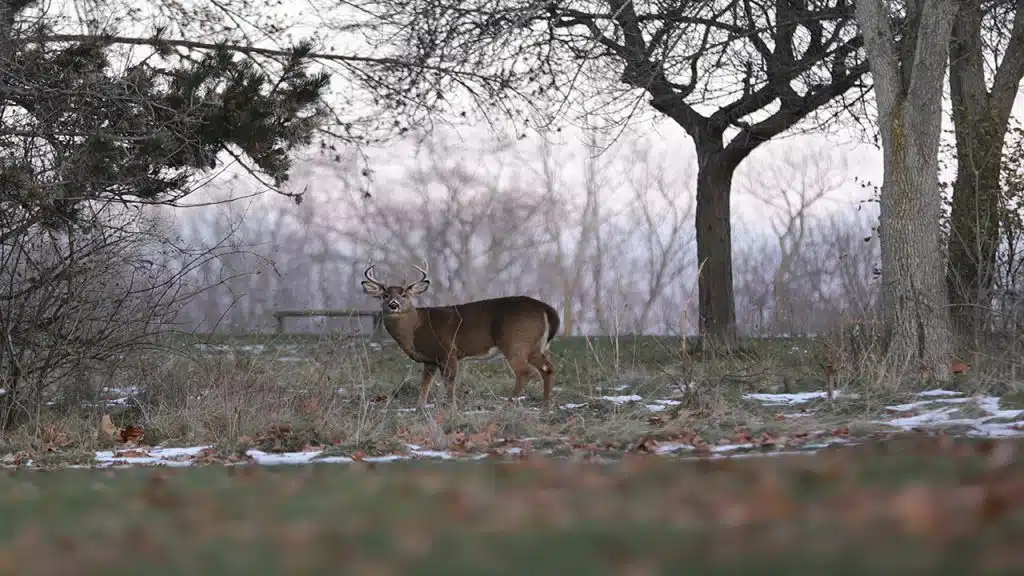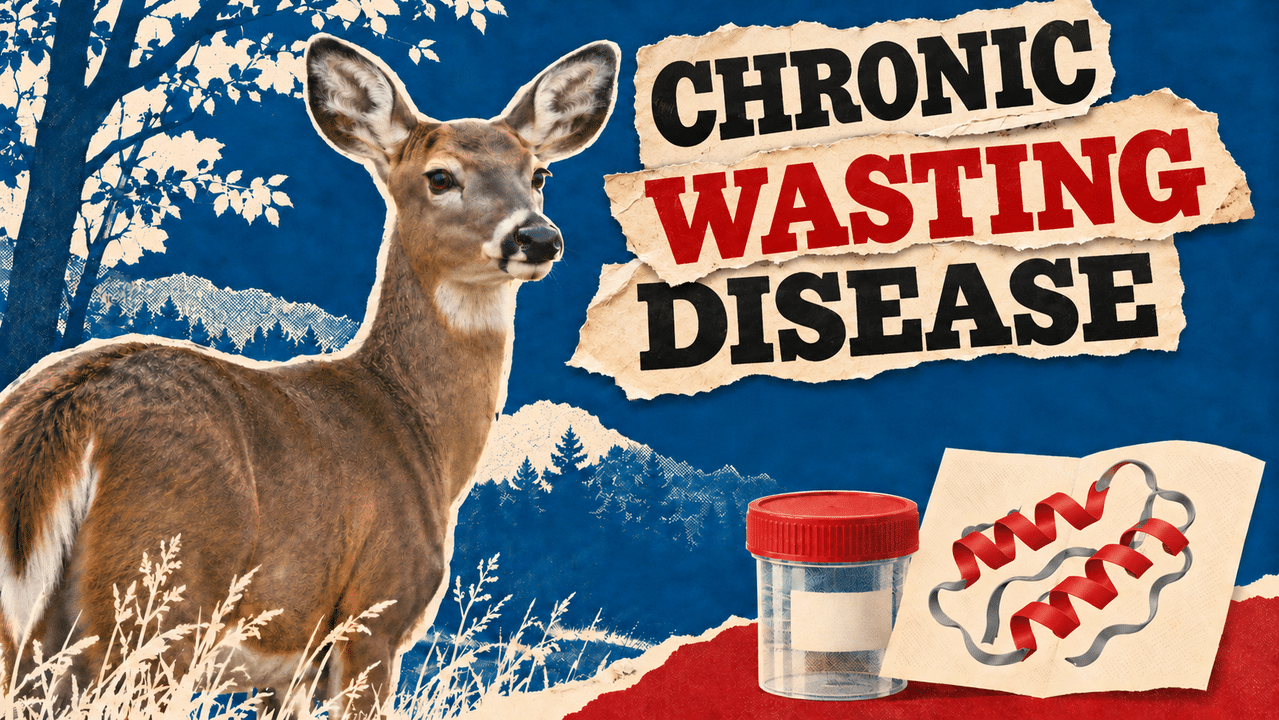
A deer can carry chronic wasting disease for months or years before looking sick, spreading infectious material to other animals and the places where they feed. That makes the disease difficult to detect early and difficult to control once it becomes established.
The detection in a wild deer in Livingston County has brought those concerns back to New York, prompting mandatory testing and restrictions on moving deer from six towns.
State officials announced Nov. 6 that an adult female white-tailed deer harvested in Sparta tested positive at Cornell University’s veterinary diagnostic laboratory. Additional testing at a federal laboratory was underway when the announcement was issued.
It is New York’s first reported case in a wild deer since 2005. A separate detection in a captive deer herd in Herkimer County in 2024 had already prompted increased surveillance in that region.
For hunters and families who eat venison, the central questions are practical: What does the disease do, how does it spread, and what precautions should people take?
A fatal disease caused by abnormal proteins
Chronic wasting disease, commonly called CWD, affects members of the deer family, including white-tailed deer, elk and moose.
It is caused by misfolded proteins called prions. Unlike infections caused by bacteria or viruses, prion diseases involve abnormal proteins that cause normally folded proteins in the body to change shape.
The U.S. Department of Agriculture explains that infectious prions can multiply in lymphatic tissues before eventually reaching the brain. The process damages an animal’s nervous system and ultimately kills it.
There is no vaccine or treatment for CWD, according to the Centers for Disease Control and Prevention.
The disease gets its name from the severe weight loss infected animals can develop. Other signs include stumbling, poor coordination, drooling, drooping ears, listlessness, excessive thirst and a loss of the normal fear of people.
Those symptoms do not appear immediately. An infected deer may look healthy for a long time, and a thin or disoriented deer does not necessarily have CWD. Other illnesses and inadequate nutrition can produce similar signs.
That is why appearance alone cannot establish whether an animal is infected. The New York State Department of Health says diagnosis requires laboratory testing of brain tissue and/or lymph nodes.
Why the disease is difficult to contain
CWD spreads through contact with infected animals and through contaminated environments.
Infected deer can shed prions in saliva, urine and feces before showing signs of illness. Other deer may encounter that material through direct contact or contaminated soil, food and other shared surroundings.
The long period before symptoms appear gives an infected animal time to move through the landscape and expose others.
Prions also persist outside an animal’s body. USDA says they do not readily break down in the environment, allowing infectious material to accumulate where the disease is prevalent.

The National Park Service describes prions as unusually resistant to heat, ultraviolet radiation and disinfectants. Infected carcasses can also leave infectious material behind.
Those characteristics help explain why wildlife agencies restrict the movement of deer carcasses and certain animal parts. Moving infected material can introduce the disease into a new location, even after the animal has died.
They also explain why finding one positive deer triggers broader sampling. Officials need information about other animals nearby to determine the extent of the problem and guide their response.
The state’s announcement of the Livingston County detection said results from hunter-submitted samples will help shape disease management and containment efforts. The containment area could expand if additional positive detections warrant it.
What is known about the risk to people?
No human infections with CWD have been reported, according to the CDC’s guidance for hunters and consumers.
Scientists continue to investigate whether exposure to infected animals or eating their meat could cause illness in people. The absence of documented human cases does not establish that consuming an infected animal is safe.
Federal health officials advise hunters to strongly consider testing deer or elk before eating the meat, particularly in areas where CWD occurs. If an animal tests positive, its meat should not be eaten.
Cooking does not remove the risk of CWD, the New York State Department of Health cautions in its wild-game guidance. Thoroughly cooking venison remains important for other food-safety reasons, but it does not make meat from a CWD-positive deer suitable to eat.
The CDC recommends several precautions when hunting and processing deer:
- Do not shoot, handle or eat animals that appear sick or behave strangely.
- Do not handle or eat animals found dead.
- Wear rubber or latex gloves when field dressing or handling meat.
- Avoid handling internal organs, especially the brain and spinal tissues.
- Use dedicated processing equipment rather than kitchen knives and utensils.
- If using a commercial processor, consider requesting individual processing so the meat is kept separate from other animals.
State health officials also advise against distributing or donating meat from a known or suspected CWD-positive animal.
What Livingston County hunters and residents should do
New York’s response centers on Conesus, Groveland, North Dansville, Sparta, Springwater and West Sparta.
Under DEC’s containment-area instructions, hunters must submit tissue samples from every deer harvested in those towns.
Movement restrictions also apply. Deer may be taken to cooperating processors or taxidermists outside the containment area only with a DEC transportation permit. Hunters should obtain instructions before moving a carcass.
DEC announced that on-site sample collection would begin Nov. 12. Hunters harvesting deer before collection stations open should save the head and email cwd.response@dec.ny.gov.
The agency will notify hunters whose deer test positive and request the venison for proper disposal.
Residents can help by reporting sick, unusually thin or abnormal-acting deer to DEC. Intentionally feeding wild deer and moose is illegal in New York; concentrating animals around food can increase opportunities for disease transmission.
DEC has scheduled a public webinar for 7 p.m. Tuesday, Nov. 17. Registration, collection locations and updated handling instructions are available through its CWD webpage.
The immediate goal is to learn how widely the disease has spread around Sparta while limiting the movement of potentially infectious material. Testing is essential to that effort because a deer’s outward appearance cannot reliably show whether it carries CWD.

FingerLakes1.com is the region’s leading all-digital news publication. The company was founded in 1998 and has been keeping residents informed for more than two decades. Have a lead? Send it to news@fingerlakes1.com.