

Keeping someone awake after a concussion is generally unnecessary, according to University of Rochester Medicine guidance, but trouble waking a person after a head injury is an emergency warning sign.
Dr. Katherine Rizzone of UR Medicine's Concussion Care Clinic explains that rest supports recovery and that symptoms and care needs can differ by age in a patient guide originally published in October 2024.

Symptoms can look different in young children
A concussion is a brain injury that can follow a blow to the head or neck, including during sports.
Common symptoms include headache, dizziness, fatigue, nausea, irritability, sensitivity to light or sound and difficulty concentrating, according to Rizzone.
Toddlers and younger children may instead show unusual crying or irritability, changed sleep or eating habits, poor balance or less interest in play.
Rizzone advises contacting a child's pediatrician about those changes after a head injury.
Loss of consciousness, seizures, vomiting, difficulty waking, trouble speaking or walking and worsening symptoms warrant urgent medical attention, the UR Medicine guide says.
Remove a player when a concussion is suspected
UR Medicine athletic trainers use the Sport Concussion Assessment Tool-6 to help check symptoms, thinking and balance during sports evaluations.
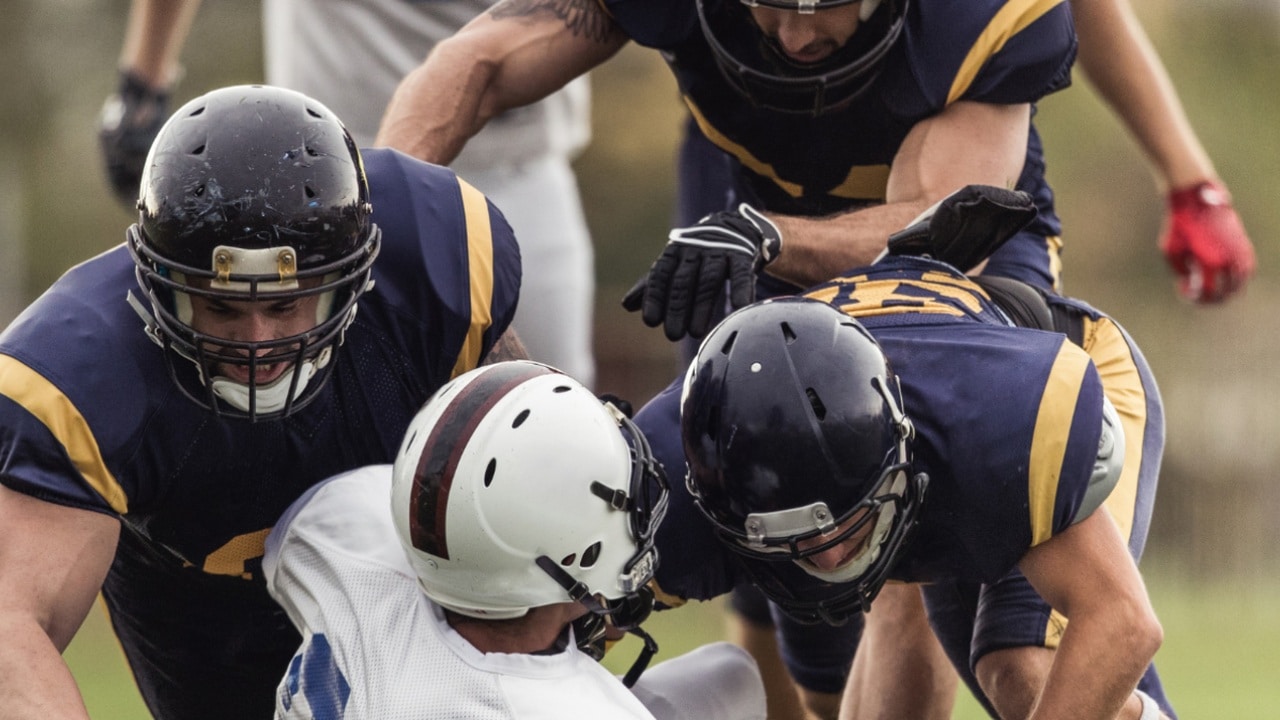
A player with a suspected concussion should leave play for assessment, and concern about a concussion means participation stops, Rizzone explains.
The CDC's recovery guidance says a child with a possible concussion needs evaluation by a health care provider and should never return to sports on the day of the injury.
Recovery includes sleep and a gradual return to activity
The CDC recommends allowing usual sleep, limiting screen time and demanding activity during the first one to two days and following the child's clinician's instructions.
It advises against all-day bed rest or isolation in a dark room and supports light activity such as walking, with activity reduced if symptoms worsen.
Most children can return to school within one to two days with suitable support, while returning to sports requires medical approval and a staged process, according to the CDC.
Rochester researchers study diagnosis and treatment
UR Medicine's Jeffrey Bazarian leads a traumatic brain injury research laboratory that has studied more than 700 college athletes and 100 nonathletes since 2009, according to the university guide.
The work includes research on brain structure, concussion patterns, outpatient treatment and a handheld EEG device studied for identifying sports-related concussions.
UR Medicine's Pediatric Concussion Program treats sports and nonsports injuries; its sports-concussion number is 585-275-2808, while families dealing with other concussions are directed to their primary care provider.

FingerLakes1.com is the region’s leading all-digital news publication. The company was founded in 1998 and has been keeping residents informed for more than two decades. Have a lead? Send it to news@fingerlakes1.com.