

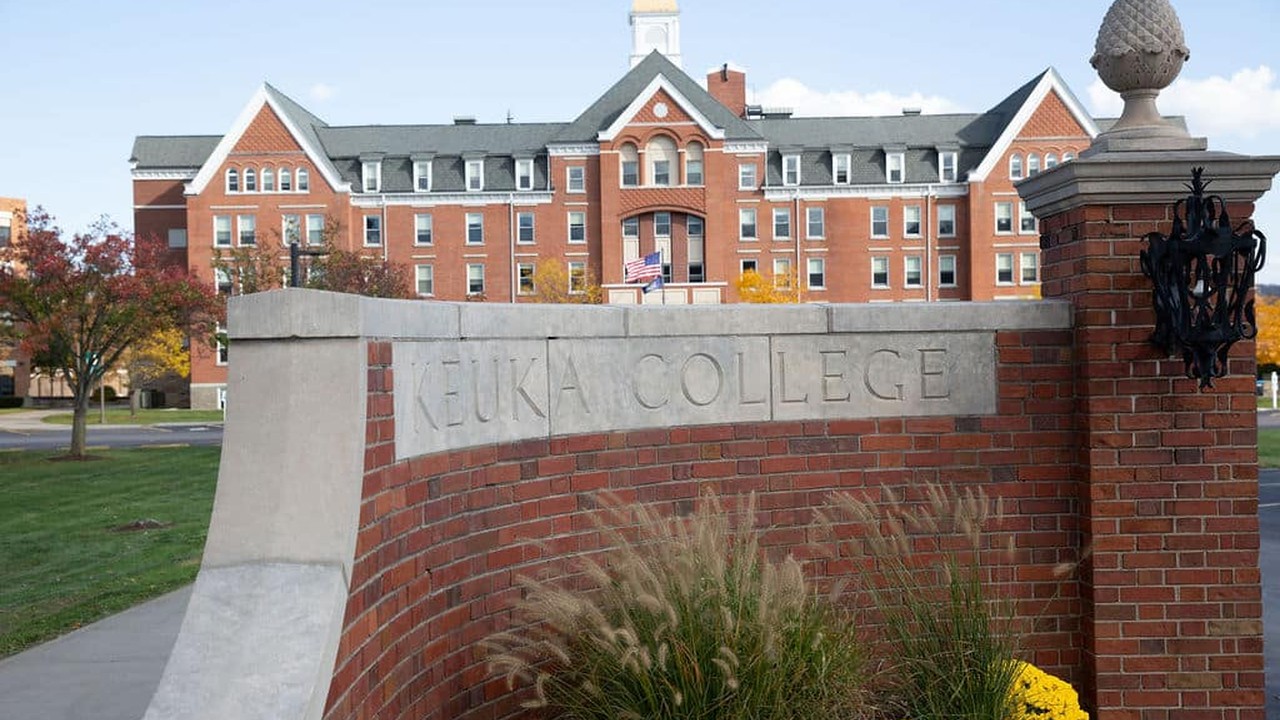
A Keuka College professor and former Army Special Forces commander says willingness to take responsibility, a sense of organizational priorities and a calm response to problems can help identify leadership potential.
Edward Dillenschneider, an adjunct professor in Keuka's international Business Management programs, outlined those qualities and ways supervisors can develop them in a college interview.

His nearly five decades of experience include work as a senior Pentagon strategist, entrepreneur, rescue diving instructor and researcher in organizational theory. His advice focuses on observable behavior and opportunities to practice making decisions.
Give people responsibility and room to build expertise
Dillenschneider said he looks for people who volunteer to lead an effort and whom colleagues seek out for technical expertise or help solving a problem.
A supervisor can build on that interest by assigning a project to lead or asking the person to represent them at a meeting when schedules conflict, he said.
Recognizing which information needs attention is another quality he watches for. He said a potential leader understands what matters to the organization rather than treating every new development as equally urgent.
To develop that judgment, he recommends working with the employee to identify expertise that would benefit the organization, then providing courses or training to build those skills.
Use difficult decisions as learning opportunities
Dillenschneider also watches how someone handles bad news. He said future leaders respond promptly while remaining calm and helping colleagues do the same.
Rather than letting a problem sit, they consider how to address it. He suggests asking an aspiring leader how they would approach a real critical decision or challenge the supervisor faces.
The next step is constructive feedback and attention to how the person responds.
Make FL1 part of your day.
Local reporting. Useful updates. More ways to stay close to your community.
Go ad-free
Support independent local reporting and enjoy FL1 without display ads.
$4.99 / month
Become a member →Cancel anytime. Third-party media players may contain ads.Get the daily briefing
Start your morning with the headlines that matter across the Finger Lakes.
Find more FL1 on Google
Choose FingerLakes1.com as a preferred source to see more of our reporting in your Google news results.

FingerLakes1.com is the region’s leading all-digital news publication. The company was founded in 1998 and has been keeping residents informed for more than two decades. Have a lead? Send it to news@fingerlakes1.com.