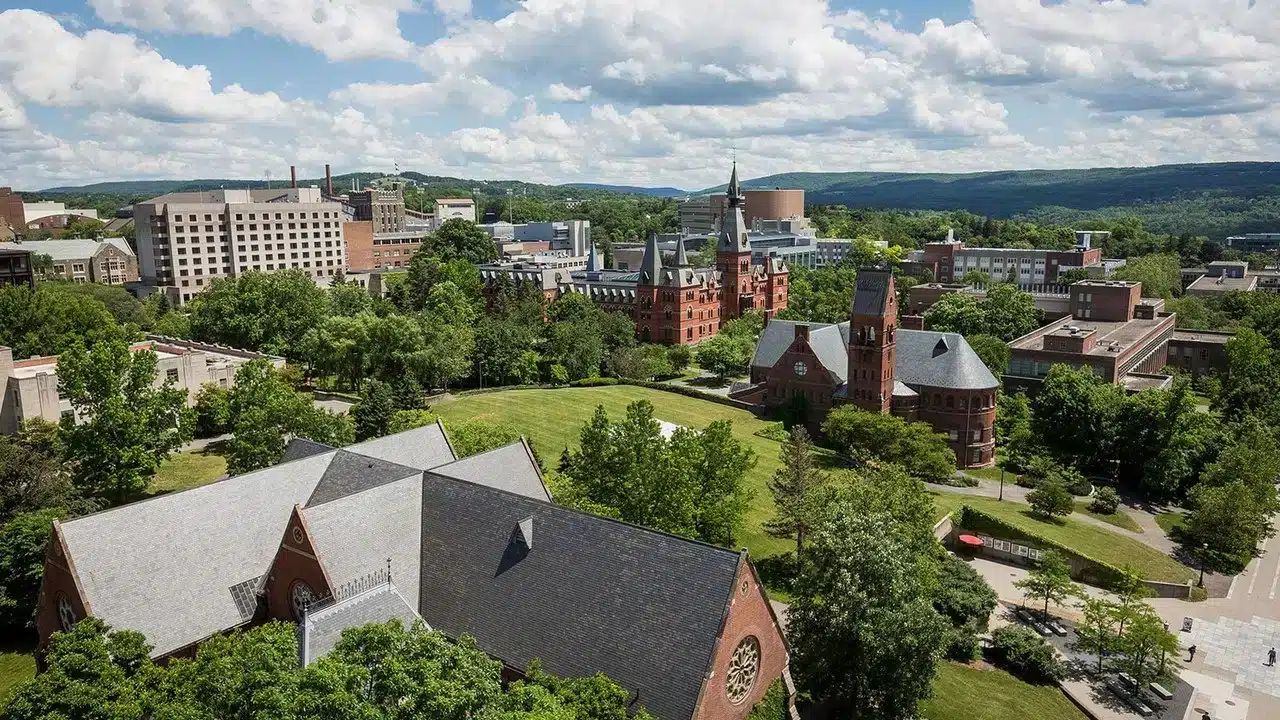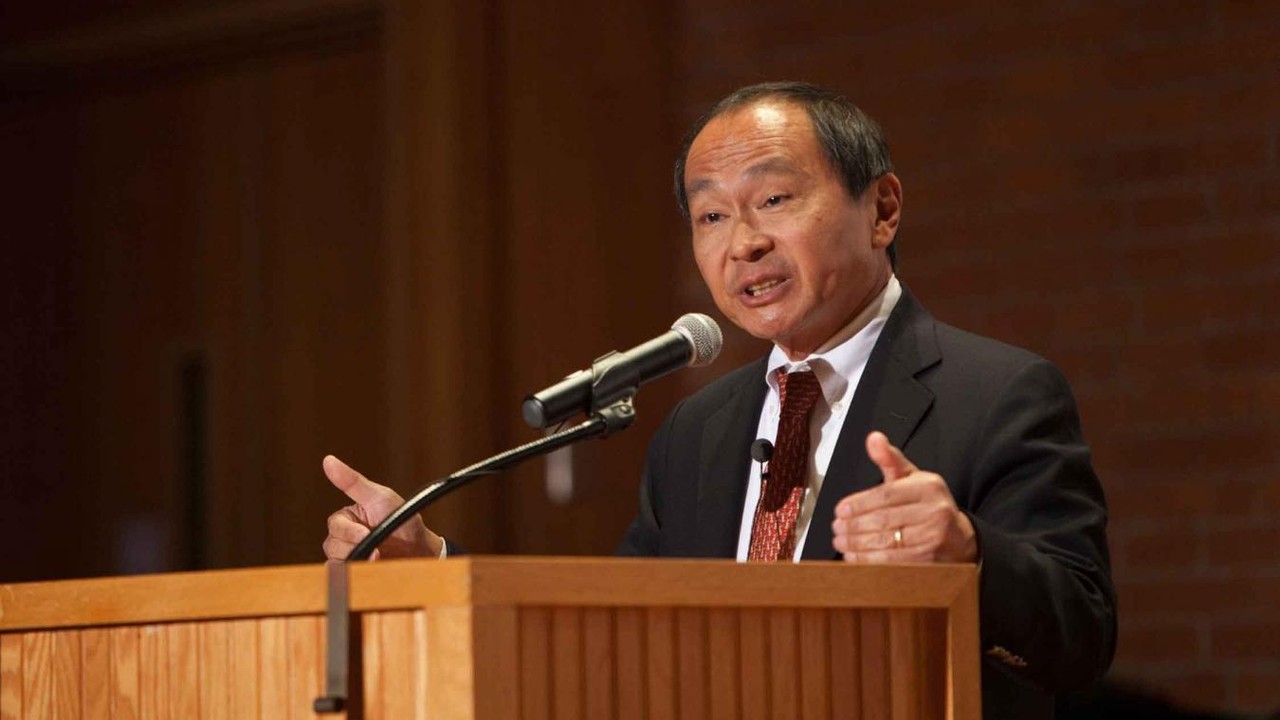
Political scientist Francis Fukuyama will return to Cornell University March 1-5, 2027, to teach a one-credit course and deliver a public lecture as the first Freedom and Free Societies Professor.
The Cornell classics graduate will teach GOVT 3334, Modern and Postmodern Institutions, through the Department of Government. The intensive course is capped at 25 students, according to the College of Arts and Sciences announcement.

His public lecture is scheduled for March 5 and will be open to students, faculty and the broader Cornell and Ithaca community.
The professorship combines a short period of undergraduate teaching with public discussion. Cornell’s Program on Freedom and Free Societies created it to bring visiting thinkers into close engagement with students and faculty on liberty and the institutions that support free societies.
The course will examine human nature and political order, the origins of the state and rule of law, liberalism and its critics, and the implications of artificial intelligence and emerging technology for politics.
Mike Fontaine, the program’s director and a Cornell classics professor, said Fukuyama’s work offers a connection between the study of the ancient world and current questions about democratic institutions. The program emphasizes inquiry and constructive disagreement across political and disciplinary lines.
Fukuyama, who graduated from Cornell in 1974 and earned a doctorate in political science at Harvard, is known for his 1992 book, “The End of History and the Last Man.” His 2026 memoir, “In the Realm of the Last Man,” traces five decades of intellectual and political development, including his undergraduate years at Cornell.
At Stanford University, he is a senior fellow at the Freeman Spogli Institute for International Studies, a faculty member of the Center on Democracy, Development and the Rule of Law, director of the Ford Dorsey Master’s in International Policy and a courtesy professor of political science.
He has also served on the State Department’s Policy Planning Staff and the President’s Council on Bioethics and is editor-in-chief of American Purpose. His honors include seven honorary doctorates and membership in the National Academy for Public Administration, American Political Science Association and Council on Foreign Relations.

FingerLakes1.com is the region’s leading all-digital news publication. The company was founded in 1998 and has been keeping residents informed for more than two decades. Have a lead? Send it to news@fingerlakes1.com.