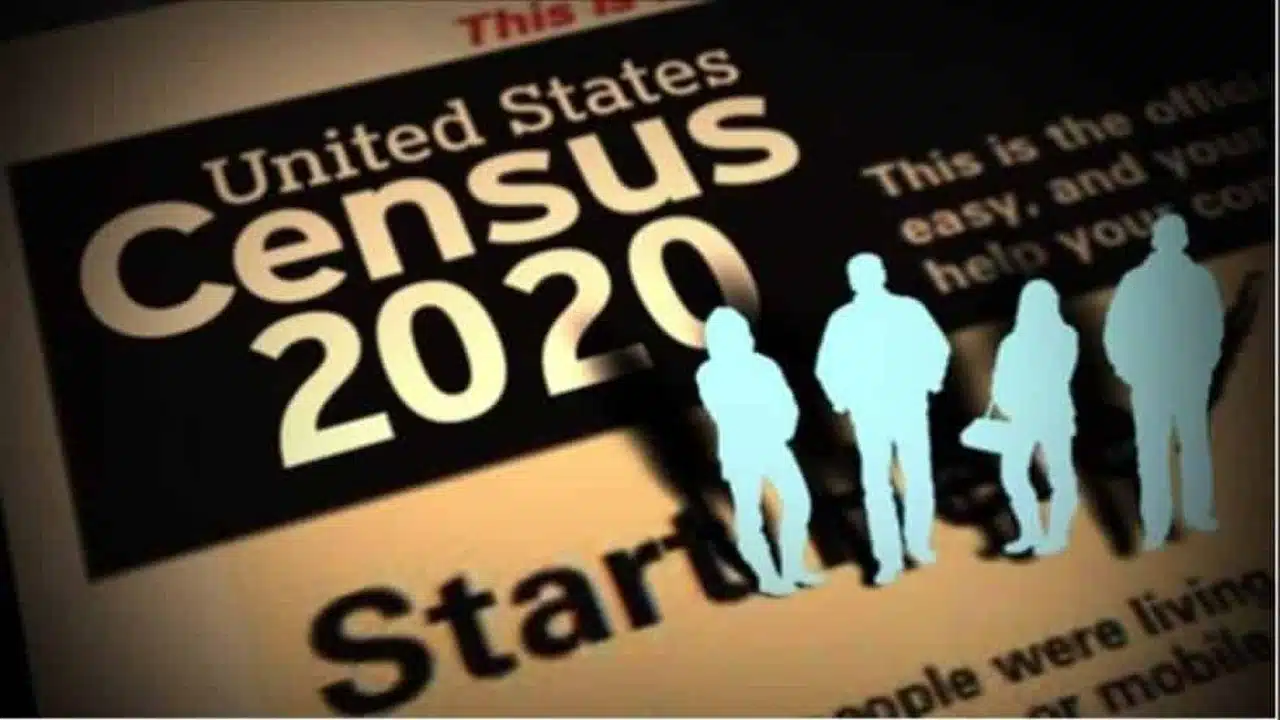
State Sen. Jeremy Cooney is urging federal officials to reject proposed census changes that would exclude some noncitizens from the population used to divide seats in the U.S. House of Representatives.
The Rochester Democrat said Monday that he sent a letter to the Commerce Department and Census Bureau opposing the proposed residence rules. He warned that the changes could weaken the accuracy of the 2030 count and discourage participation in communities that have historically been undercounted.

“An accurate Census is the difference between fair representation in Washington and communities in New York losing out on the federal resources and funding they deserve,” Cooney said in a news release.
Who would be counted
The federal proposal would count foreign citizens who also are U.S. citizens or lawful permanent residents at their usual U.S. residence. Other foreign citizens would be excluded from the apportionment count, including people without legal immigration status and people with legal status less permanent than a green card.
The Census Bureau argues that the change would better reflect the constitutional concept of usual residence and an enduring tie to the country. It is considering administrative records to identify legal status and has sought comments on adding a legal-status question to the census questionnaire.
Cooney cited the Constitution's requirement to count the “whole number of persons in each State” in arguing against the exclusions. The Census Bureau's apportionment guidance says resident counts include citizens and noncitizens with a usual residence in the United States.
A separate part of the federal proposal would prohibit race, ethnicity and sexual-orientation questions on the short-form decennial questionnaire. That restriction would not apply to the American Community Survey or other surveys outside the population enumeration.
New York's narrow seat loss
Cooney pointed to New York's loss of a congressional seat after the 2020 Census. The state's delegation fell from 27 seats to 26.
The Census Bureau's apportionment table shows New York would have needed 89 additional people in its apportionment population to receive a 27th seat, with other states’ counts unchanged.
State bill would coordinate outreach
Cooney also highlighted his New York Counts Act, S6898. The Senate passed it 41-19 on June 1, and it was referred to the Assembly's Governmental Operations Committee. It has not become law.
The bill would create an Office of Census Services within the Department of State and a 30-member Census Counts Commission chaired by the secretary of state. Their work would include outreach, language access, address-list coordination, population estimates and support for local governments and nonprofit organizations working to improve participation.
It would require a census bill of rights within a year, covering participation without intimidation, confidentiality, response options, language assistance and verification of census workers' identities. It also would make falsely posing as a census worker a misdemeanor when done to interfere with census operations, obtain information or gain consent to an otherwise unlawful search or seizure. The penalty would be up to a year in county jail, a $1,000 fine or both.
The measure proposes $15 million for the Department of State to carry out the program and would take effect immediately if enacted.
Federal officials have extended the public comment deadline on the census proposal to Nov. 2. Comments may be submitted through Regulations.gov under docket USBC-2026-0628.

FingerLakes1.com is the region’s leading all-digital news publication. The company was founded in 1998 and has been keeping residents informed for more than two decades. Have a lead? Send it to news@fingerlakes1.com.