A state-commissioned quantum technology study identifies Cornell research and Rochester optics as regional strengths as New York plans $360 million for research and commercialization hubs.
Gov. Kathy Hochul's office announced the study, prepared by The Quantum Insider for Empire State Development's Division of Science, Technology and Innovation, known as NYSTAR.

The Quantum Technology Landscape Study puts New York second to California among the nine states it benchmarks on operating entities, research groups and patent families. It records 134 operating entities, 219 research groups and 734 patent families in New York.
Those measures use defined categories: research groups are counted at principal-investigator level, while operating entities include companies, laboratories, government bodies and consortia. The study combines public-source research, proprietary datasets and stakeholder interviews.
The report also describes New York as one of two states with capabilities across the quantum value chain, from research and manufacturing to commercial applications. It identifies stronger coordination among researchers, manufacturers and potential customers as an opportunity for growth.
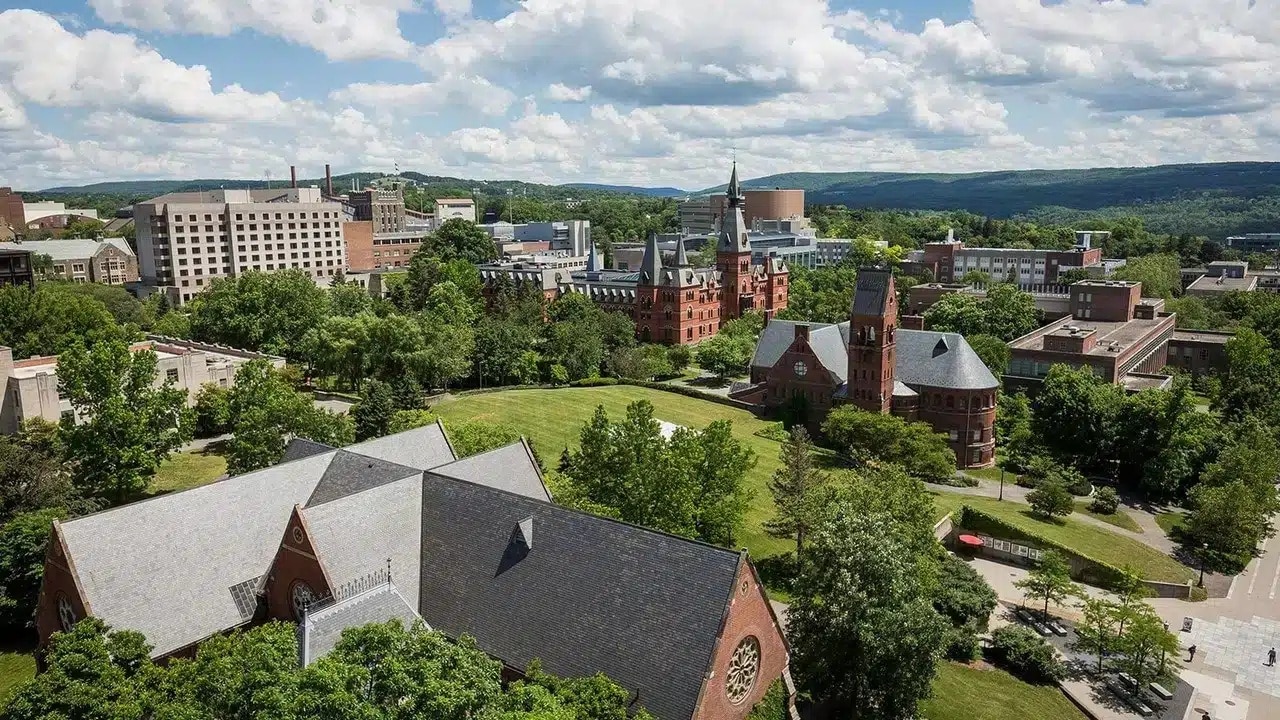
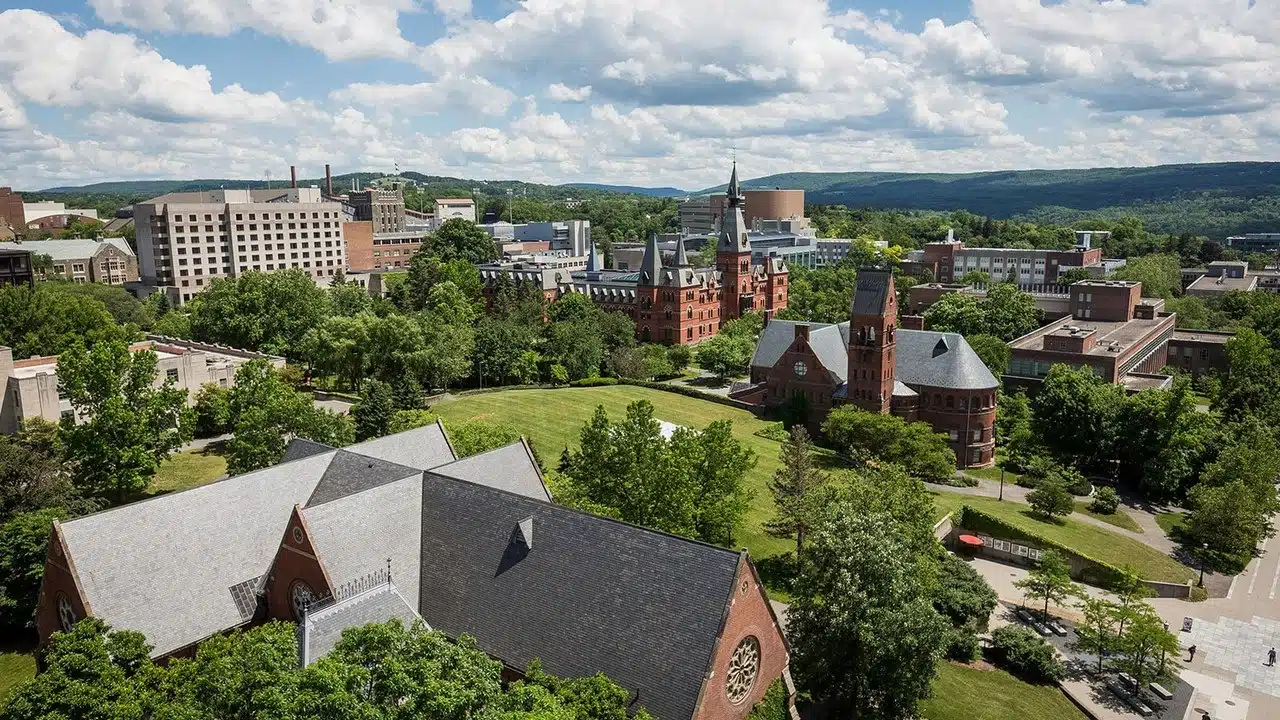
The report highlights Cornell's quantum science, materials research and fabrication facilities, along with Rochester's optics, photonics and sensing work. It also identifies Binghamton's materials and networking research and the Finger Lakes' AIM Photonics, Luminate and RoQNET network as assets.
Its central challenge is connecting those capabilities. The report points to fragmented statewide coordination, inconsistent facility access, technician-training gaps and financing barriers for startups and production expansion.
Regional hubs and Stony Brook investment
The state's commitment includes $60 million in the fiscal 2027 budget for up to four Regional Quantum Technology Commercialization Hubs. NYSTAR will administer the hubs, which are intended to connect local innovators with commercialization resources and operate incubators for quantum startups.
New York is also investing $300 million in a Quantum Research and Innovation Hub at Stony Brook University. Officials describe it as the centerpiece of a statewide network linking universities, entrepreneurs, companies and government partners.
The study models $2.3 billion to $5 billion in gross output and 7,200 to 10,100 job-years through 2036 from the combined commitment. Gross output includes purchases between businesses. A job-year means one full-time-equivalent job supported for one year.
The scenarios draw on comparable British research-commercialization programs and assumptions about construction, facility use and commercialization. The study estimates roughly 1,000 to 1,200 recurring jobs at full operation; these are modeled results, with actual returns dependent on how the facilities are used and how research reaches the market.
SUNY Chancellor John B. King Jr. highlighted quantum research at Stony Brook and the university centers in Buffalo, Binghamton and Albany.
The study notes New York's strengths in semiconductors, optics and photonics, as well as potential customers in financial services, health care and advanced manufacturing. Quantum technologies use properties of physics to process information and make measurements.
The findings follow recent federal and private investments in Albany quantum research and domestic quantum manufacturing, the governor's office said. The Quantum Technology Landscape Study is available through Empire State Development.
File photo of the New York State Capitol.

FingerLakes1.com is the region’s leading all-digital news publication. The company was founded in 1998 and has been keeping residents informed for more than two decades. Have a lead? Send it to news@fingerlakes1.com.