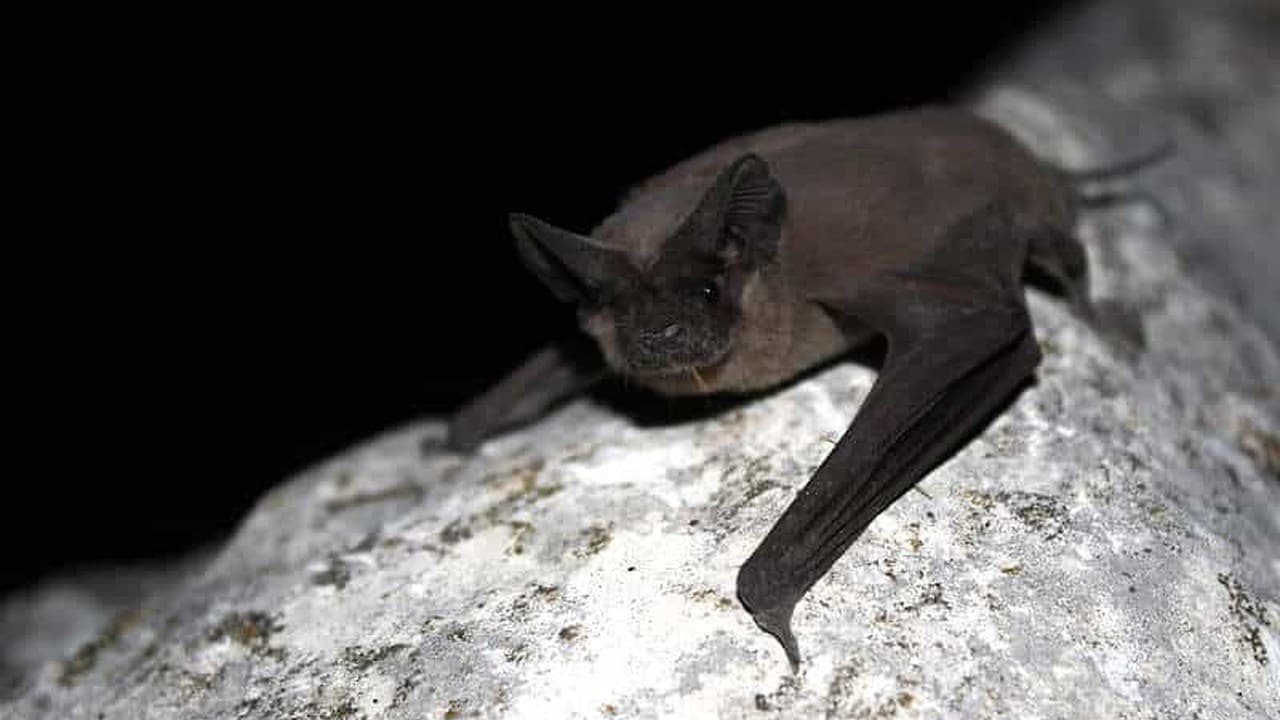
New York environmental officials are urging people to stay out of caves and mines this fall and winter because waking hibernating bats can exhaust the fat reserves they need to survive until spring.
The New York State Department of Environmental Conservation issued the reminder Saturday as Bat Week began. The annual Oct. 24-31 observance brings together conservation groups and government agencies in the United States and Canada to build support for bats.

DEC Commissioner Amanda Lefton said allowing bats to hibernate undisturbed is particularly important as bats face continuing threats following years of population losses.
Why winter disturbance matters
Caves and mines provide relatively stable temperatures that shelter bats from the harsher conditions above ground. New York has nine bat species: Six hibernate in caves and mines, while three tree bat species migrate to warmer areas.
All need to build fat reserves in the fall for hibernation or migration. DEC says bats can consume up to their body weight in insects each night during this period. They also gather to mate during the fall swarm, with cave bats using their winter shelters to find mates before hibernation.
When hibernating bats wake, their body temperature rises and they use stored energy. That fat must last until spring temperatures rise and insects become readily available again. More frequent disturbances make winter survival less likely, DEC said.
White-nose syndrome compounds that threat. The fungal disease, which DEC says arrived in 2006, has killed more than 90% of bats at hibernation sites in New York. Both the disease and human visits can cause bats to wake more often than they otherwise would.
Scientists have found signs of recovery in little brown bats across the state in recent years. DEC said comparable stabilization has not been seen in other severely affected bat species.
Follow cave restrictions and leave quietly
DEC is asking visitors to obey all posted restrictions at caves and mines. Anyone who discovers hibernating bats should leave quickly and quietly to limit disturbance.
The agency said entering a listed bat hibernation site between Oct. 1 and April 30, the typical hibernation season, may lead to prosecution.
Bats also help people by eating insects that damage crops and gardens. DEC said their feeding can reduce pesticide use and mosquito numbers and may help limit the spread of invasive insects.
How residents can help
DEC recommends limiting tree removal to winter, when bats are less likely to be roosting in trees or raising young. The recommended window is Nov. 1-March 31 across most of New York and Dec. 1-Feb. 28 in Suffolk County. During spring through early fall, removing trees can harm bats using them for roosting and maternity colonies.
Residents can also plant pollinator gardens to support the insects bats eat, install bat boxes as summer roosts and keep cats indoors to prevent them from preying on bats. Bat Conservation International provides bat-house designs and guidance.
For bats in a home, DEC recommends contacting a bat-certified nuisance wildlife control operator.
DEC also provides information about New York’s bats, including protected species such as the Indiana bat and northern long-eared bat.
File photo of a bat.

FingerLakes1.com is the region’s leading all-digital news publication. The company was founded in 1998 and has been keeping residents informed for more than two decades. Have a lead? Send it to news@fingerlakes1.com.