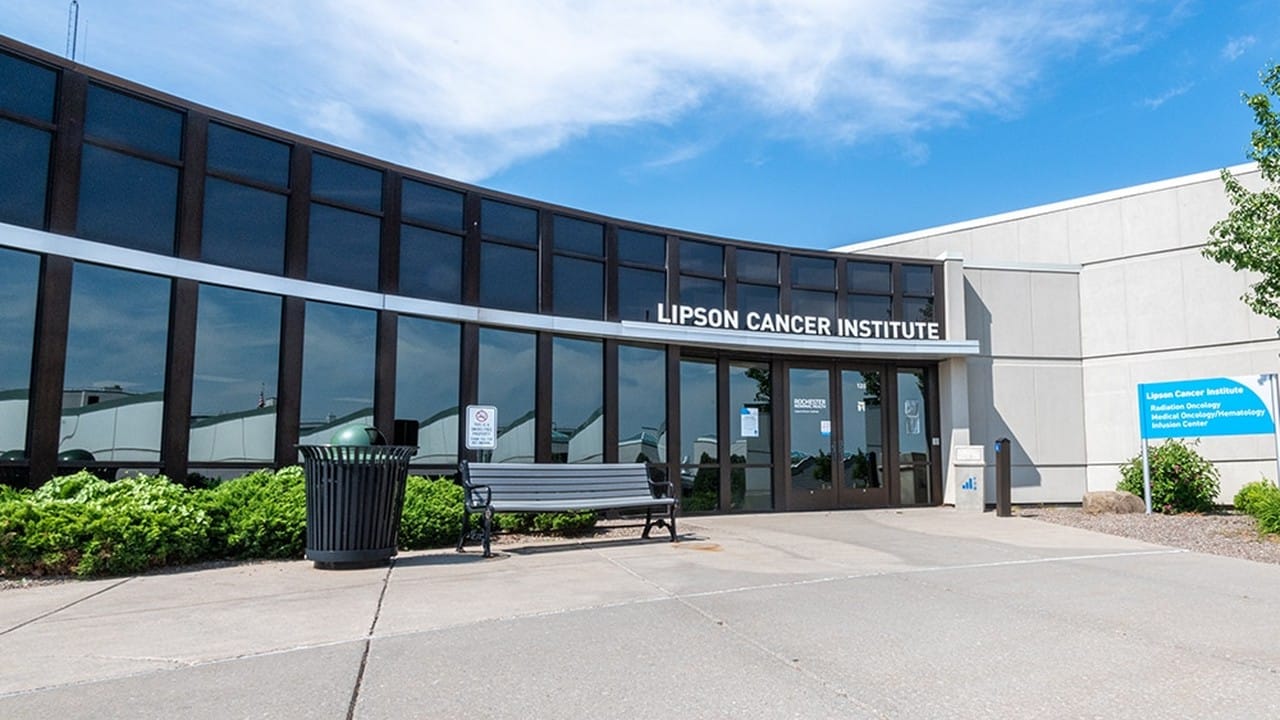
Breast cancer patients at Rochester Regional Health's Lipson Cancer Institute can work with nurse and patient navigators to coordinate appointments, understand treatment and address barriers such as transportation or insurance.
The navigators follow patients from diagnosis through treatment and survivorship, according to Rochester Regional Health. Their work connects medical care with practical support that patients may need along the way.

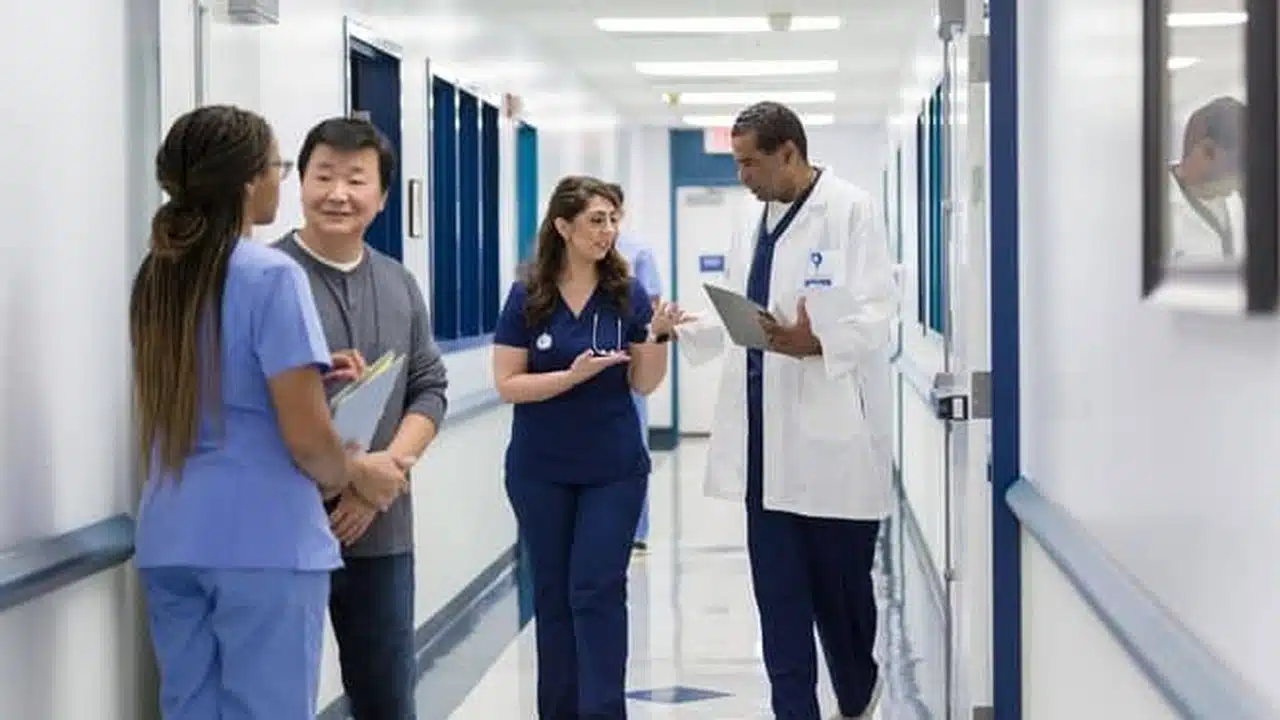
Nurse navigators help with appointments, surgery scheduling, medication management, education and referrals to oncology specialists. Patient navigators act as a link between patients and providers, advocate for patients' needs and connect them with resources or social workers.
“A navigator will follow patients through the breast cancer process,” said Gina Smith-Donke, a nurse navigator with the Rochester Regional Health Breast Center. “They can ask about any questions or concerns they may have and we are here for them. Seeing a familiar face throughout their cancer treatment can be comforting.”
Planning around patients' needs
At an initial consultation, the nurse navigator reviews a resource binder with the patient and discusses goals and barriers to care. Those conversations can cover transportation, financial concerns, child care or elder care, housing, insurance and nutrition.
If follow-up help is needed, the nurse connects the patient with a patient navigator or social worker. Patients receive the nurse's contact information and can call or use MyCare to ask questions about their treatment plan, symptoms or other concerns.
Navigators also provide hands-on teaching. For example, they may show a hospitalized patient how to empty a drain after surgery.
“Having people who can help you navigate a complex health system is very valuable,” said Abby Squicciarini, a Lipson Cancer Institute social work supervisor. “Having constant support is great, especially when a cancer diagnosis can feel isolating and overwhelming.”
Support after treatment
Nurse and patient navigators communicate with providers and participate in tumor board meetings, where cancer specialists review individual cases and discuss treatment.
Their relationships with patients can continue after treatment ends. Survivors returning to an oncologist can also meet with navigators or collaborative care providers for help with the emotional effects of cancer, including anxiety around later scans.
The collaborative care program connects patients and their primary care providers with a therapist, oncologist and psychiatric consultant. Navigators help patients find that support when needed.

FingerLakes1.com is the region’s leading all-digital news publication. The company was founded in 1998 and has been keeping residents informed for more than two decades. Have a lead? Send it to news@fingerlakes1.com.