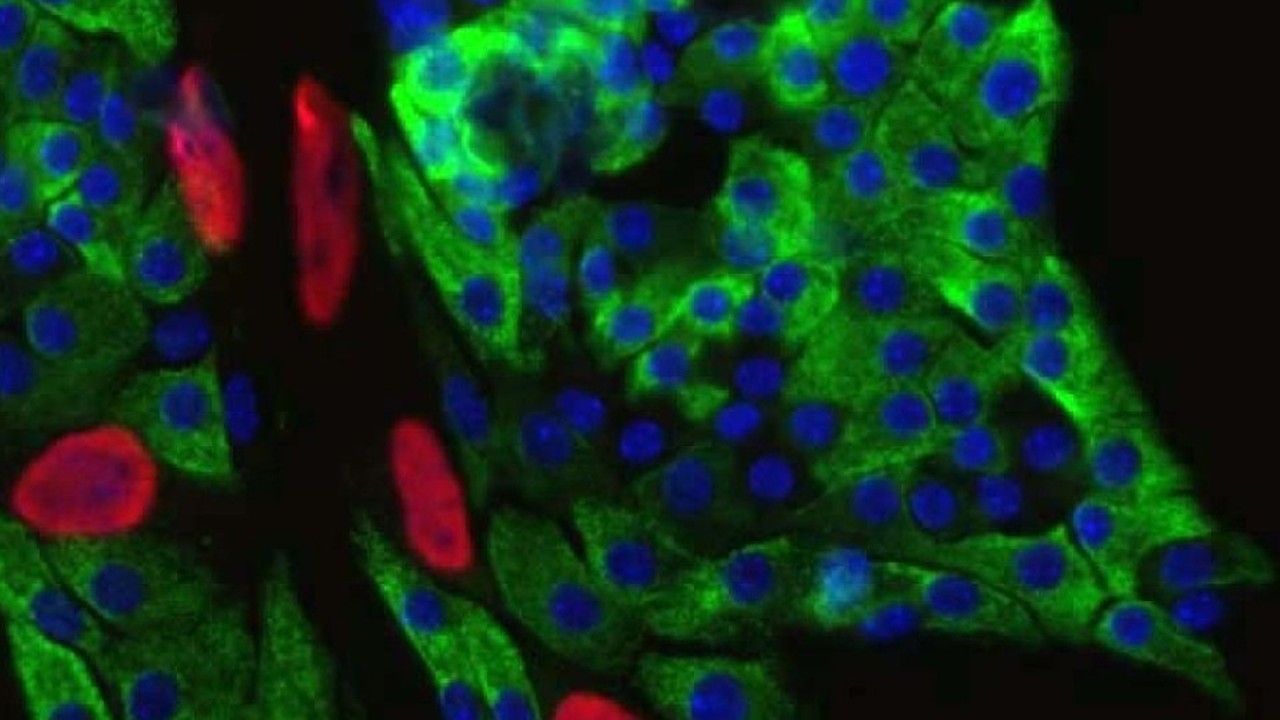
Blocking part of an excessive cellular stress response helped preserve insulin-producing pancreatic cells in mouse experiments and donated human-cell cultures, offering researchers a possible target for future diabetes treatments.
The Weill Cornell Medicine-led study, published Aug. 3 in the Journal of Clinical Investigation and highlighted by Cornell this week, traced cell death through a pathway involving the proteins IRE1, JNK and p53. The experiments identified ways to reduce cell loss, but the treatments did not normalize blood sugar in the diabetic mice.

The work tested laboratory models and donor tissue rather than a treatment in patients.
When a protective response becomes harmful
Pancreatic beta cells make insulin, the hormone that helps control blood sugar. In Type 1 diabetes, the immune system destroys these cells. In Type 2, the body becomes less responsive to insulin, increasing demand on beta cells; impaired function and cell loss can worsen the shortage of usable insulin.
Cells use the unfolded protein response to manage the burden of making and processing proteins. The system helps them adjust production and fold proteins correctly, but excessive activation can contribute to cell death.
Researchers working with Amy Lee of the University of Southern California engineered mice whose beta cells lacked GRP78, a protein that helps keep that response under control. Cell loss began early in life, blood sugar started rising by two weeks, and the animals had severe insulin-deficient diabetes by four weeks.
Gene-activity analyses and targeted experiments pointed to IRE1 activating JNK, which in turn promoted p53 activity and cell death. Reducing a different stress-related protein, CHOP, did not protect the cells in the same experiments.
Cell protection with limited blood-sugar improvement
Five days of JNK inhibition reduced beta-cell death in mice lacking GRP78. Their blood sugar stopped worsening during the experiment but did not return to normal, and the brief treatment did not restore beta-cell mass.
The team also tested mice carrying the Akita insulin-gene mutation, which causes misfolded insulin to accumulate and stress beta cells. JNK inhibition reduced cell death in five-day and 28-day experiments. The longer treatment increased beta-cell mass, but improvements in blood sugar and circulating insulin remained modest.
The researchers said preserving cells alone may be insufficient when insulin production or secretion remains defective.
In donated human islet-cell cultures, reducing GRP78 increased beta-cell death. Inhibiting either JNK or p53 protected cells in most tested samples. The study’s supplement lists 13 nondiabetic donors for the culture experiments; individual tests used different subsets, including 11 preparations for JNK inhibition and 10 for p53 inhibition.
A separate comparison of pancreas sections from five people with Type 2 diabetes and five controls produced an unexpected result: a tissue-staining marker of activated JNK was lower in the diabetes group. The authors said that marker may not track the harmful activity demonstrated in their experimental models.
Safety questions and next experiments
The laboratory inhibitors act on multiple forms of JNK, which have different functions throughout the body. Broad JNK inhibition has worsened a marker of kidney injury in prior mouse research, and some forms of the protein may help protect beta cells. The authors said more work is needed to identify a safe and effective approach.
The study also used bulk gene-activity measurements, which combine signals from different cell types, and viral tools to reduce GRP78 in cultures, potentially adding stress of their own.
Senior author Laura Alonso, director of the Weill Center for Metabolic Health, said the team plans to test other diabetes models, including disease associated with a high-fat diet. Researchers also want to explore whether combining JNK and p53 inhibition better preserves cells and controls blood sugar, according to Cornell’s account.
Rohit Sharma of Weill Cornell was the first author. The National Institutes of Health funded the work. The paper discloses Alonso’s consulting for Eli Lilly, Sanofi and Vertex, and Lee’s scientific advisory role with BiPER Therapeutics.

FingerLakes1.com is the region’s leading all-digital news publication. The company was founded in 1998 and has been keeping residents informed for more than two decades. Have a lead? Send it to news@fingerlakes1.com.