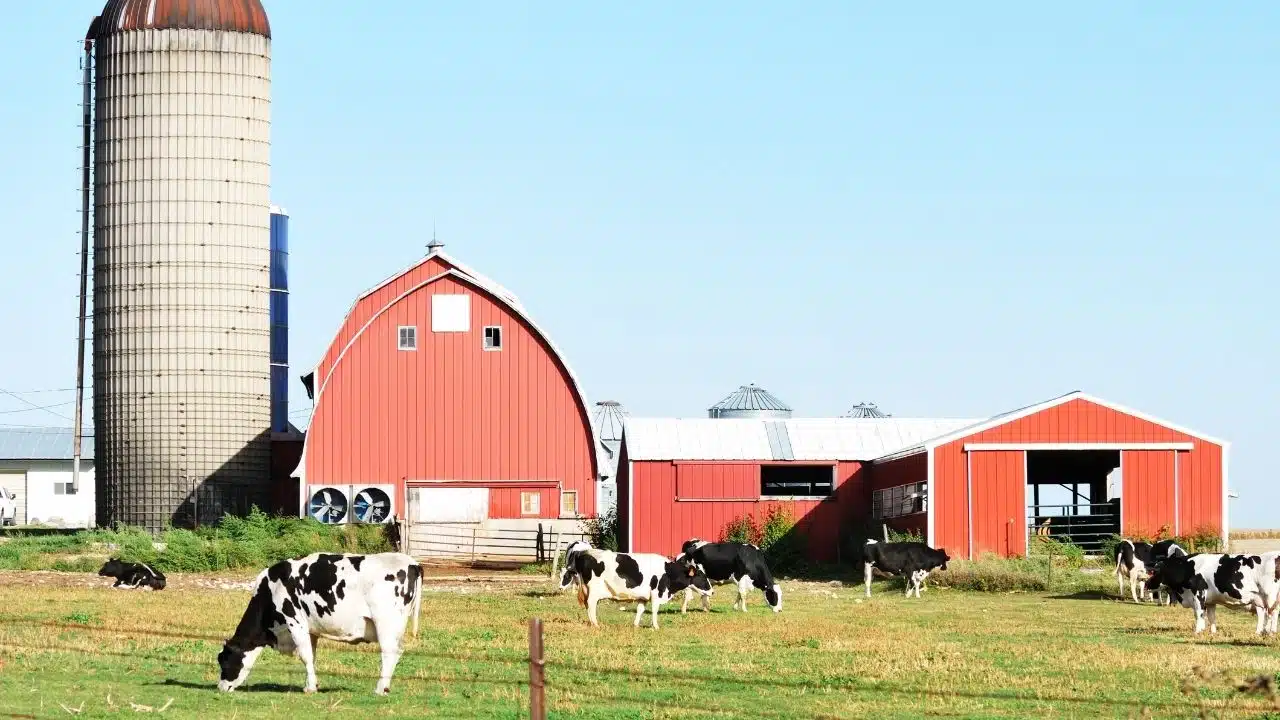
A Cornell study found evidence of exposure to epizootic hemorrhagic disease virus in 34 of 5,698 samples from New York cattle, sheep and goats, but researchers say low past exposure could leave herds vulnerable during outbreaks.
The results, described in a Cornell report on the research, represent about 0.6% of the samples. The virus, known as EHDV, can kill white-tailed deer and cause illness that disrupts cattle farms.
Researchers tested samples sent to Cornell’s Animal Health Diagnostic Center for other reasons. They found antibodies in 31 cattle samples and three sheep samples; no goat samples tested positive.
Antibodies indicate that an animal has encountered the virus. The findings measure past exposure in the submitted samples rather than active disease across New York’s livestock population.
The research was published Sept. 28 in Transboundary and Emerging Diseases. Elisha Frye, an associate professor of practice in population medicine and diagnostic sciences at Cornell’s College of Veterinary Medicine, was the first author.
Biting midges spread the disease
Certain biting midges called Culicoides transmit EHDV. Animals acquire the infection from those insects rather than directly from one another, according to Cornell.
The virus is widespread in the warmer Southern and Southeastern United States. Frye said New York is near the edge of the area where it occurs regularly, and hotter, drier summers can create conditions for outbreaks.
Drought can leave shallow water and exposed mud that provide breeding habitat for midges. Outbreaks in the Northeast are infrequent but can be severe because many animals have little immunity, she said.
New York’s worst recorded outbreak occurred in 2021, when an estimated 1,500 to 2,100 white-tailed deer died from the virus, according to Cornell.
Cattle die from EHDV less frequently than deer. But painful mouth sores can reduce appetite, lowering milk production in dairy cows and weight gain in beef cattle.
Sheep and goats can develop antibodies but are rarely sickened by the disease.
Symptoms can trigger foot-and-mouth testing
High fever, mouth sores, excessive salivation and lethargy can resemble symptoms of foot-and-mouth disease, a more contagious foreign animal disease that Cornell says is not present in the United States.
Suspected foot-and-mouth cases can require farms to pause operations while animals are quarantined and tested, creating costs and disruption even when another illness is responsible.
Frye said the small number of antibody-positive samples was encouraging because researchers do not want deer deaths or farm disruptions. But it also suggests limited herd immunity when conditions favor the midges that spread EHDV.
What hunters, farmers and veterinarians can report
EHDV can dehydrate deer, causing them to seek water. Cornell advises hikers, hunters and others who find a deer dead near water to report it to the state Department of Environmental Conservation.
Dairy and beef farmers should call their veterinarian if animals appear ill, stop eating well or salivate excessively, Frye said.
Veterinarians who suspect foot-and-mouth disease — including fever, excessive salivation or painful blisters on the mouth, nose, teats or hooves — should report concerns to the state Department of Agriculture and Markets. State and federal regulators oversee testing.
The research team also included Cornell scientists Diego Diel and Krysten Schuler, New Jersey state wildlife pathologist Patrick Connelly, and Cornell Animal Health Diagnostic Center staff Jennifer Powers and Melissa Aprea.
Funding came from the National Institute of Food and Agriculture’s Federal Capacity Funds, administered by Cornell’s Agricultural Experiment Station in Ithaca.

FingerLakes1.com is the region’s leading all-digital news publication. The company was founded in 1998 and has been keeping residents informed for more than two decades. Have a lead? Send it to news@fingerlakes1.com.