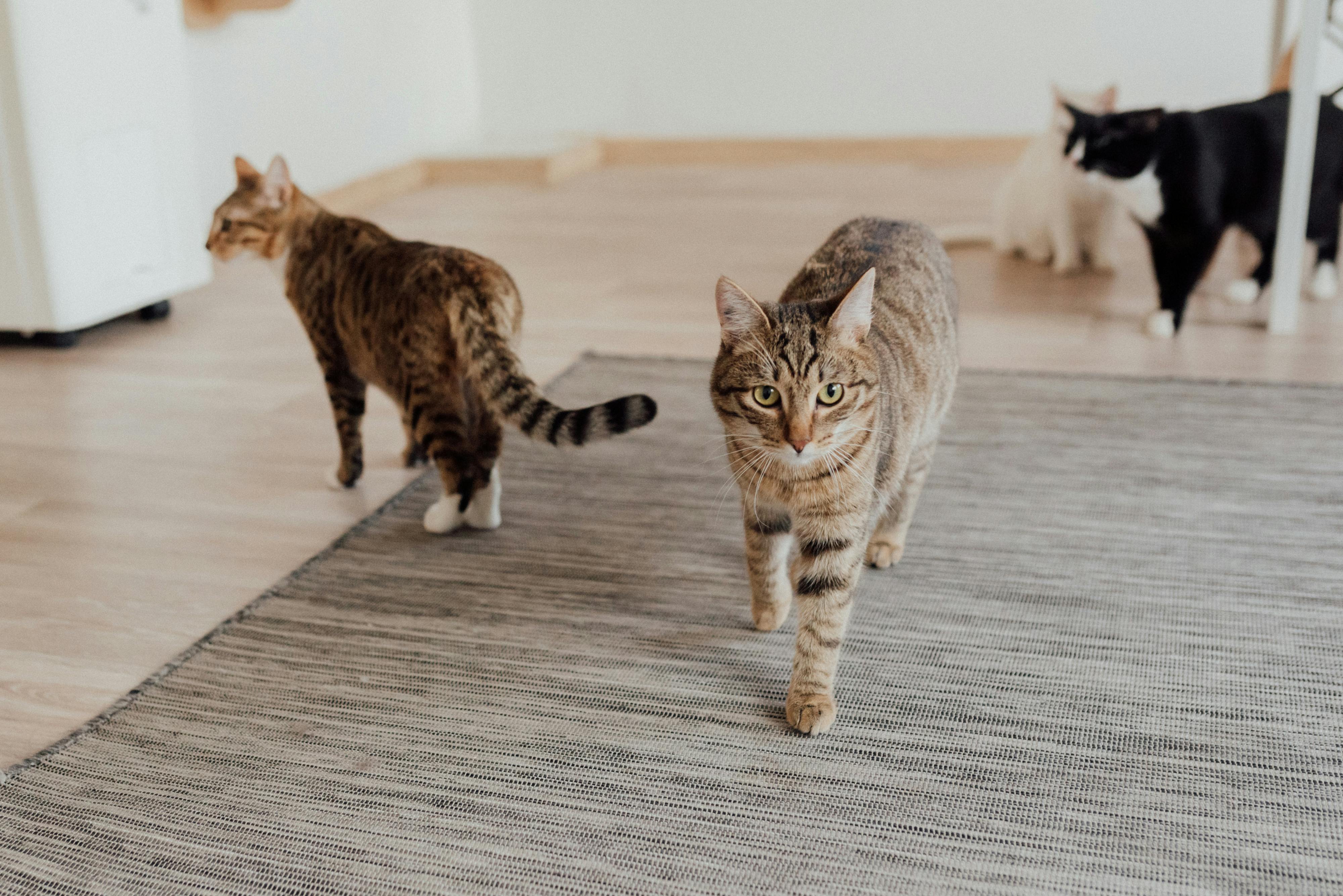
You walk into the living room, and the cat is kneading the arm of the couch with full enthusiasm, claws out, completely at peace with herself. Or the dog has just finished a wet-paw sprint from the yard and landed squarely on the cushions before you could stop him. The furniture absorbs the damage, and you add it to the mental list of things you have decided not to think about.
For most pet owners, furniture is a consumable. You buy something decent, accept that it will look worn within a year or two, and replace it when the damage gets embarrassing. That math changes when the piece in question is a sofa bed. You are paying for two functions in one frame, and watching both degrade in 18 months is a harder loss to absorb.
But the materials and construction behind pet-resistant furniture have improved significantly over the past several years. The trick is understanding what actually works and what is just marketing language on a product listing.
The Fabric Problem No One Talks About
Cotton, linen, and velvet dominate the furniture market because they feel good and photograph well. They also share a structural vulnerability that makes them poor choices for pet households: the weave is open enough that claws can catch individual threads.
This is not a matter of sharpness. Even trimmed nails can snag a loose weave. Once a thread pulls, the damage is visible immediately and tends to spread outward from the original catch point. A single snag on a linen arm rest becomes a run within weeks. On velvet, pulled fibers create bald patches that no amount of brushing will fix.
The solution is density. Tightly woven performance fabrics give claws nothing to grip. Instead of catching and pulling, nails slide across the surface without engaging the individual threads. This is what the industry means by “scratch-resistant.” It does not mean the fabric is impervious to damage. It means that the routine contact of daily pet life, the jumping on and off, the casual kneading, the post-nap stretching, does not degrade the material the way it would with a traditional weave.
If you are shopping for a pet-friendly sofa bed, the fabric should be the first thing you evaluate, not the color or the shape. A beautiful couch that falls apart under normal pet use is not a good purchase at any price point.
Water Resistance Is Not Optional
Pets introduce moisture to furniture in ways that most people do not fully appreciate until it becomes a problem. Drool, wet paws, the occasional accident, a dog shaking off after a bath. Standard upholstery absorbs all of it, and once liquid reaches the foam core underneath, you are dealing with trapped odor and bacteria that surface cleaning cannot reach.
Water-resistant fabrics address this at the surface level. A spill or a wet-paw print beads up rather than soaking in, giving you time to wipe it off before it penetrates. The important distinction here is between water-resistant and waterproof. No upholstery fabric is truly waterproof in the way a rain jacket is. A large volume of liquid left sitting for hours will eventually work through any woven textile. But for the typical incidents that happen in a pet household, a water-resistant surface is the difference between a quick wipe and a deep-cleaning project.

The better fabrics achieve this through yarn-level treatment rather than a topical spray. Surface coatings wear off with friction and cleaning over time. When the resistance is built into the fiber itself, it lasts for the life of the fabric.
Why the Conversion Mechanism Matters for Pet Owners
This is specific to sofa beds and rarely discussed. Traditional pull-out models use a metal frame with a thin mattress folded inside the base. That frame creates a network of joints, hinges, and crevices that are almost impossible to clean thoroughly.
In a pet-free home, that is a minor inconvenience. In a home with animals, it becomes a hygiene issue. Pet hair, dander, and dust collect in the folding mechanism over time. If moisture gets trapped in those crevices, from a spill that dripped down between the cushions or from humidity, the metal can develop rust and the trapped organic material can produce odor.
Frameless conversion designs avoid this entirely. Some scratch-resistant sofa beds now use the couch cushions themselves as the sleeping surface, folding or unfolding flat without any internal hardware. There are no crevices to trap debris, no metal parts to corrode, and the entire surface is accessible for cleaning. For pet households, this design difference matters more than most people realize when they are shopping.
Foam Density Determines Long-Term Comfort
A sofa bed that gets used regularly, whether by pets during the day or guests at night, puts more demand on its foam than a standard couch. Low-density foam compresses quickly under repeated use. Within a few months, you can see and feel the difference: permanent body impressions, sagging cushions, and a sleeping surface that no longer supports weight evenly.
High-density foam, generally 2.0 pounds per cubic foot or higher, holds its shape significantly longer. It costs more upfront, but the alternative is replacing cushions or the entire piece within two to three years. For a sofa bed that will see daily use from both humans and animals, foam density is not a luxury spec. It is the thing that determines whether the purchase lasts.
Maintenance Habits That Actually Help
No fabric or construction method makes a sofa bed maintenance-free in a pet household. But a few simple habits extend the useful life of any piece dramatically.
Trim pet nails on a regular schedule. Even scratch-resistant fabric performs better when it is not being tested at full claw extension every day. Run a lint roller or handheld vacuum over the cushions two or three times a week. Pet hair that sits on the surface is easy to remove. Hair that works into the weave over time is not.
Wipe spills and wet-paw prints immediately rather than letting them air dry. Water-resistant fabric buys you time, but it does not buy you indefinite patience. And if the cushion covers are removable, wash them monthly. Even fabrics that resist surface staining accumulate oils and dander over time.
The right sofa bed will not eliminate the realities of living with animals. But it should reduce them to a manageable routine rather than a slow-motion furniture replacement cycle.

This content is brought to you by the FingerLakes1.com Team. Support our mission by visiting www.patreon.com/fl1 or learn how you send us your local content here.