

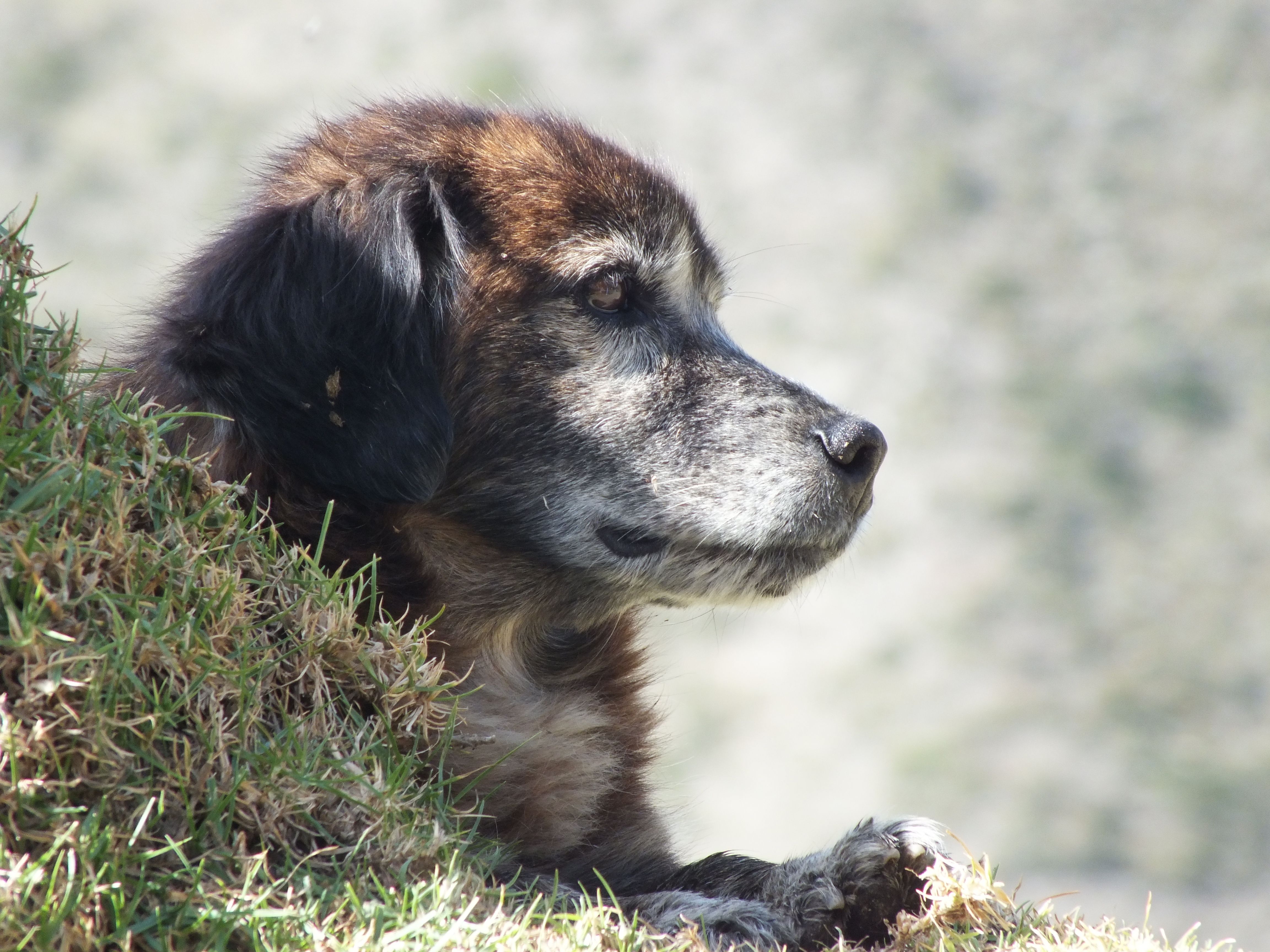
You don’t have to retire your dog from the places they enjoy simply because they are older. You may need to shorten the route, choose flatter ground, schedule more breaks, and pay closer attention to how they move before and after the outing.
Around the Finger Lakes, that might mean swapping a long hike for an easier lakeside walk or breaking up a day trip with longer rest periods. Changes in your dog’s stamina, joint mobility, vision, hearing, or temperature tolerance can affect what feels manageable from one outing to the next. A few practical adjustments can help you keep the Finger Lakes in your dog’s routine without asking too much of them.
Choose Shorter, Easier Routes Than You Used to
Start with what your dog can comfortably manage now rather than the distance they covered a few years ago. A long trail with steep climbs, uneven stone, or repeated stairs may become difficult even if your dog still becomes excited when you pick up the leash.
Choose routes with level sections, predictable footing, and places where you can turn back early. Your dog can still encounter new smells, get gentle exercise, and spend time outside during a short walk near the water or through a park without becoming exhausted afterward.
Watch their pace as you go. Slowing down, repeatedly stopping, lagging behind, sitting down, or becoming reluctant to continue can mean the outing has gone far enough. Let your dog set a slower pace, and resist the urge to finish a planned route simply because you have already started it.
Plan Around the Weather and Terrain
An older dog may manage less activity in very warm, cold, or wet weather. Warm, humid days may become tiring sooner, while cold conditions can make stiffness more noticeable. Wet leaves, mud, ice, loose gravel, and smooth rock can also make footing difficult for dogs with weaker legs or reduced balance.
Check conditions before you leave and choose the time of day accordingly. During warm weather, earlier or later walks may be easier. In colder months, a shorter outing during the milder part of the day may suit your dog better.
Bring water even on a relatively short trip, and give your dog regular opportunities to rest. If the ground looks difficult, choose another route.
Plan Medication and Supplements Before You Leave
A long day away from home can disrupt the routine you normally follow for your senior dog’s medication and supplements. Check what your dog will need while you are out and pack any doses that fall within that period.
For medication, follow the timing instructions from your veterinarian or the prescription label. Supplements may offer more flexibility, depending on the product. For example, if your dog takes Pup Labs supplements, you may be able to divide the recommended daily amount across the day rather than give it at one exact time. You can check the dosage information from Pup Labs website before your trip and pack the appropriate amount for your dog’s weight.
Checking these instructions beforehand makes it easier to maintain your dog’s usual care during a day out in the Finger Lakes.
Give Your Dog More Time to Recover After Outings
Pay attention to how your dog acts once you return home. Difficulty getting up after resting, unusual stiffness, heavy fatigue, reluctance to use stairs, or a noticeable change in appetite can indicate that the outing was harder than it seemed at the time.
Give your dog access to water and a comfortable place to rest. Check their paws for cuts, irritation, or debris, especially after walking on rough ground. Look through their coat for ticks and inspect areas such as their ears, legs, belly, and between their toes if they walked through grass or wooded areas.
You may also need to leave more recovery time between outings. Two demanding days in succession can be harder on an older dog than one active day followed by a quiet day at home. Use your dog’s response after each trip to judge how much activity to plan next time.
Check Pet Rules Before Choosing Where to Go
Every trail, park, waterfront area, winery, or attraction may not follow the same pet policy. Some places allow leashed dogs in certain areas while restricting them elsewhere. Rules can also change according to season, maintenance work, events, or safety conditions.
Check the current policy before you leave home, particularly when you are visiting somewhere new. This can save you from arriving at a trailhead and discovering that dogs cannot use the route you planned.
Consider the practical details as well. Think about parking distance, access to shade, the amount of time your dog will spend in the car, nearby places to rest, and how easily you can leave if your dog becomes tired. An outing with fewer logistical complications is often easier to adapt when your senior dog has had enough.
Conclusion
Your senior dog may no longer hike as far, stay out as long, or handle difficult ground as easily as before. You can still find enjoyable ways to spend time together across the Finger Lakes. A slow walk, a scenic drive with short stops, or an afternoon near the water may suit them better now than a full day on the trail.
Pay attention to what your dog can manage comfortably, and adjust future outings based on what you observe. New or persistent stiffness, pain, weakness, breathing difficulty, unusual fatigue, or changes in behavior should prompt a veterinary check rather than another attempt at the same activity.
With shorter routes, sensible timing, familiar routines, and enough recovery, you can continue sharing many of the region’s outdoor experiences with your dog as they get older.

This content is brought to you by the FingerLakes1.com Team. Support our mission by visiting www.patreon.com/fl1 or learn how you send us your local content here.