Future U.S. climate assessments should do more than describe hazards: They should examine how communities, industries and governments respond, and whether those responses work, according to a new commentary co-authored by five Cornell researchers.
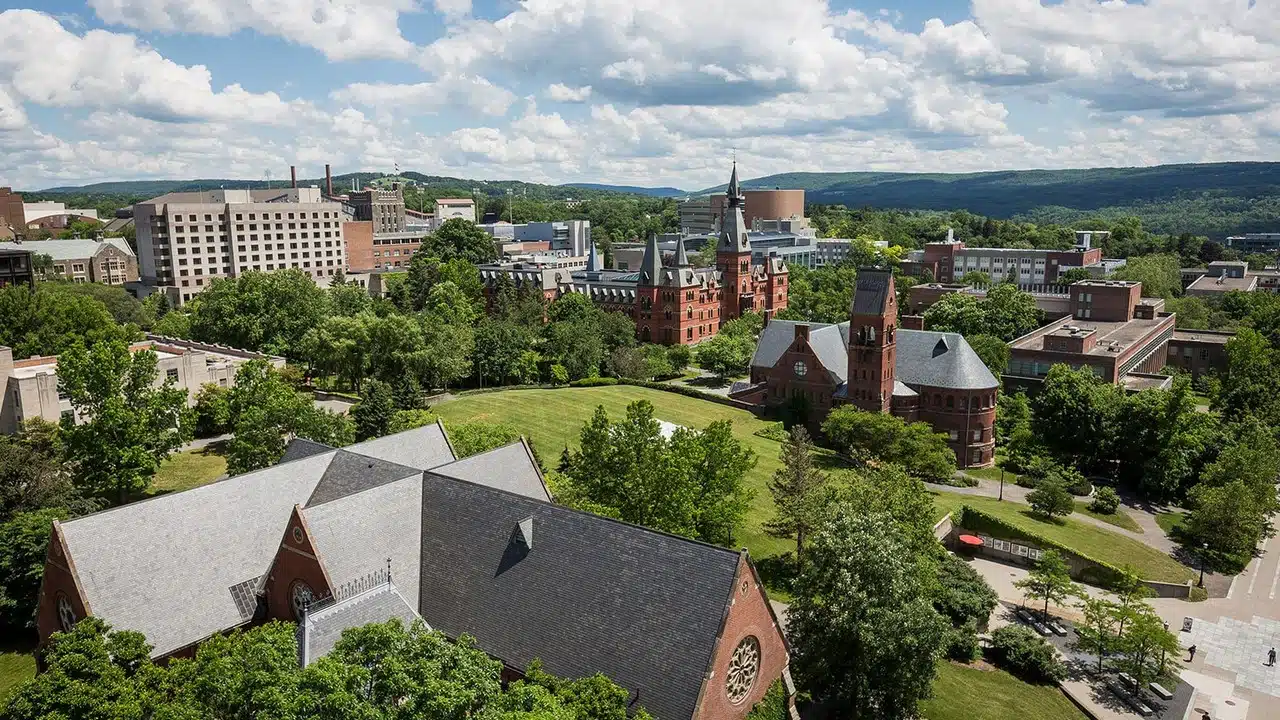
The paper, “Research Priorities for Robust Climate Assessments in the United States”, brings together 175 authors to set a research agenda for national, regional, local and sector-specific assessments. It was published Sept. 22 in Earth’s Future and the Bulletin of the American Meteorological Society, according to a Cornell summary of its researchers' contributions.

The commentary opens a joint American Geophysical Union and American Meteorological Society collection of U.S.-focused climate research intended to inform future assessments of risks and possible solutions.
The most recent U.S. National Climate Assessment was published in 2023. The authors argue that both scientific understanding and decisions by states, localities and businesses have continued to evolve, requiring assessments that connect current evidence to practical choices.
Oceans and physical climate risks
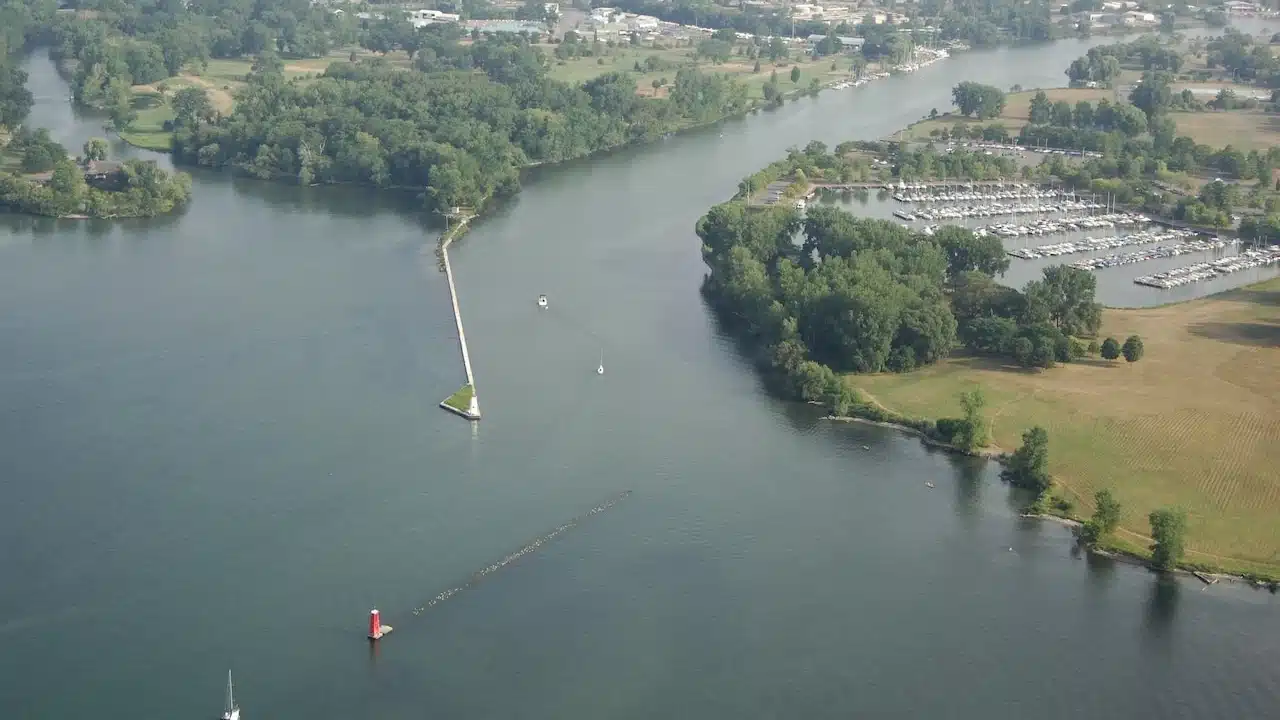
Steven Johnson, a Cornell natural resources and environment professor, worked on the oceans section. It calls for assessments that better address fisheries, coastal infrastructure, conservation and emerging ocean industries, alongside the needs of communities that depend on them.
Johnson said ocean-dependent communities are already making decisions amid rapid environmental change. He urged researchers to bring community and Indigenous knowledge into assessments along with social and economic evidence, so ocean-management choices reflect local conditions as well as physical science.
Cornell researchers Flavio Lehner and Natalie Mahowald contributed to a section on physical systems and projections. They emphasized testing climate models against an expanding record of observations to determine which models are most useful for particular risks and regions.
Heat waves, precipitation and carbon fluxes are among the trends that can help researchers evaluate projections, Lehner and Mahowald said.
Testing adaptation and economic effects
Linda Shi, a Cornell city and regional planning professor, focused on adaptation: how institutions and communities prepare for and respond to climate risks. Her section calls for evaluations of whether adaptation measures reduce harm, what tradeoffs they create and how policies affect different groups over time.
Shi said U.S. adaptation activity has accelerated but often remains limited to particular sectors or hazards, with incremental measures that do not adequately address present and future risks. She urged assessments to draw lessons from policy experiments and case studies rather than only catalog threats.
Ariel Ortiz Bobea, a Cornell applied economics professor, contributed to economic priorities. He pointed to a central open question: after a climate shock, does economic activity recover quickly, or does it stay below the path it otherwise would have followed?
The answer could substantially change estimates of climate change's economic cost, Ortiz Bobea said.
Looking across connected systems
Beyond individual subjects, the commentary identifies compound extremes and cascading risks that can strain infrastructure, institutions and policies at the same time. It calls for research on how greenhouse gas emissions amplify hazards and how social conditions shape both exposure and the ability to respond.
The authors also urge future assessments to consider mitigation, adaptation, disaster management, climate interventions and resilience planning as a connected set of choices.

FingerLakes1.com is the region’s leading all-digital news publication. The company was founded in 1998 and has been keeping residents informed for more than two decades. Have a lead? Send it to news@fingerlakes1.com.